
Choosing between Permalum and Colorsteel for pergolas depends on environmental exposure and budget. Permalum, an aluminum-based product, offers superior corrosion resistance in NZ salt spray zones. Colorsteel, a pre-painted steel, provides exceptional aesthetic versatility and structural strength. While Permalum resists rust better near coasts, Colorsteel often delivers a more cost-effective solution for inland projects.
How does Permalum compare to Colorsteel in salt spray zones?
In the unique architectural landscape of New Zealand, the proximity of most urban centers to the coastline makes salt spray durability the primary concern for outdoor structures. Permalum is an aluminum-based roofing substrate, which inherently possesses a higher resistance to atmospheric corrosion than steel. When aluminum is exposed to the elements, it forms a natural oxide layer that protects the underlying metal from further degradation. In coastal “Category D” or “Category E” (Very High or Extreme) environments, Permalum is often the preferred choice because it does not suffer from the red rust issues that can plague steel-based products if the protective coating is breached.
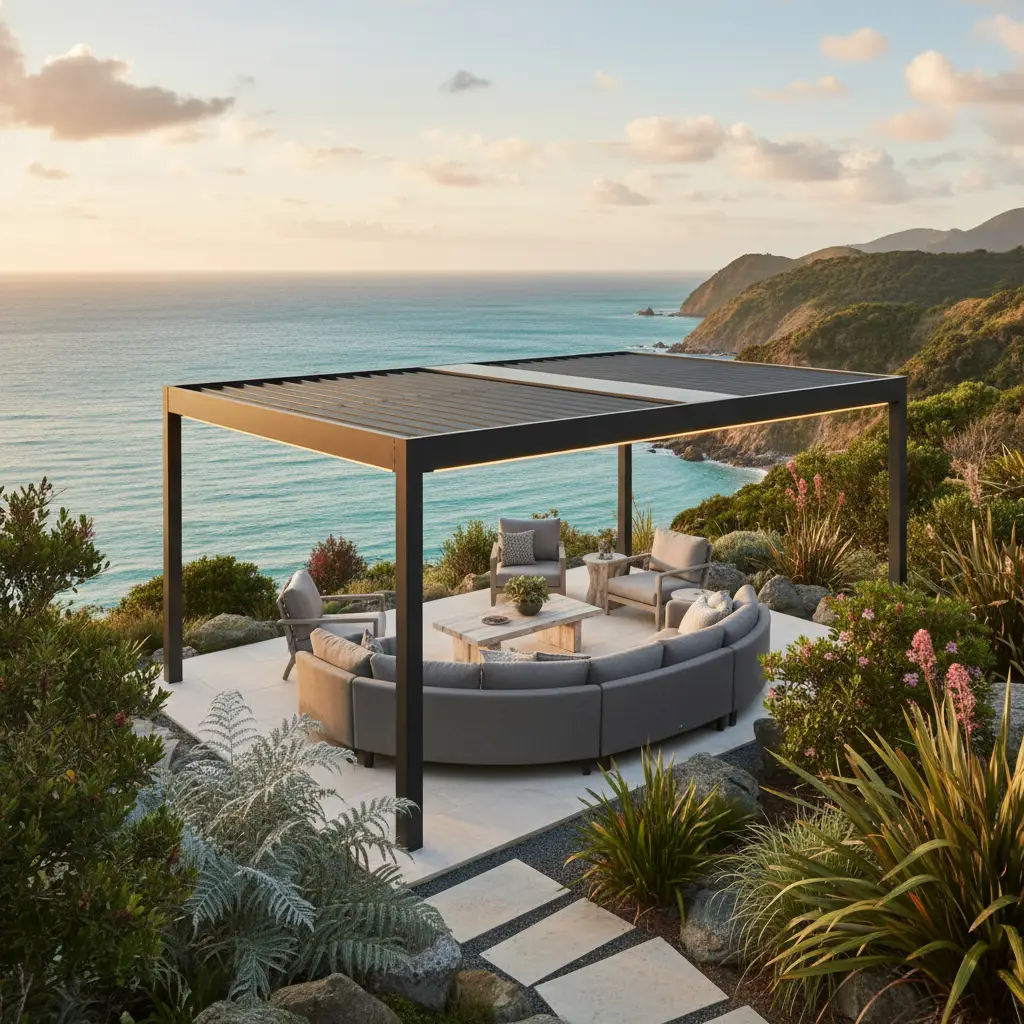
Colorsteel, while exceptionally durable, relies on a multi-layered protection system. Modern Colorsteel products, such as Colorsteel Altimate, utilize an aluminum-zinc-magnesium alloy coating (Activate™ technology) over a steel core, specifically designed to provide sacrificial protection. However, even with these advancements, steel remains susceptible to edge creep and corrosion at cut edges or fastener holes if not treated with the utmost care in marine environments. For a pergola situated within 100 meters of the breaking surf, Permalum offers a level of “fit and forget” security that standard steel products struggle to match without significant maintenance overhead.
What are the aesthetic differences in profile and finish?
The visual integration of a pergola into a home’s existing architecture is a critical commercial and residential consideration. Colorsteel is the market leader in New Zealand for a reason: its range of profiles and colors is unmatched. From the classic Corrugate and Trapezoidal profiles to modern, tray-style profiles like FlaxPod® or T-Rib, Colorsteel allows for seamless matching with the main dwelling’s roof. The finish is typically a high-quality polyester or silicone-modified polyester paint system that provides a consistent, matte, or semi-gloss appearance across a vast palette of over 20 standard colors.
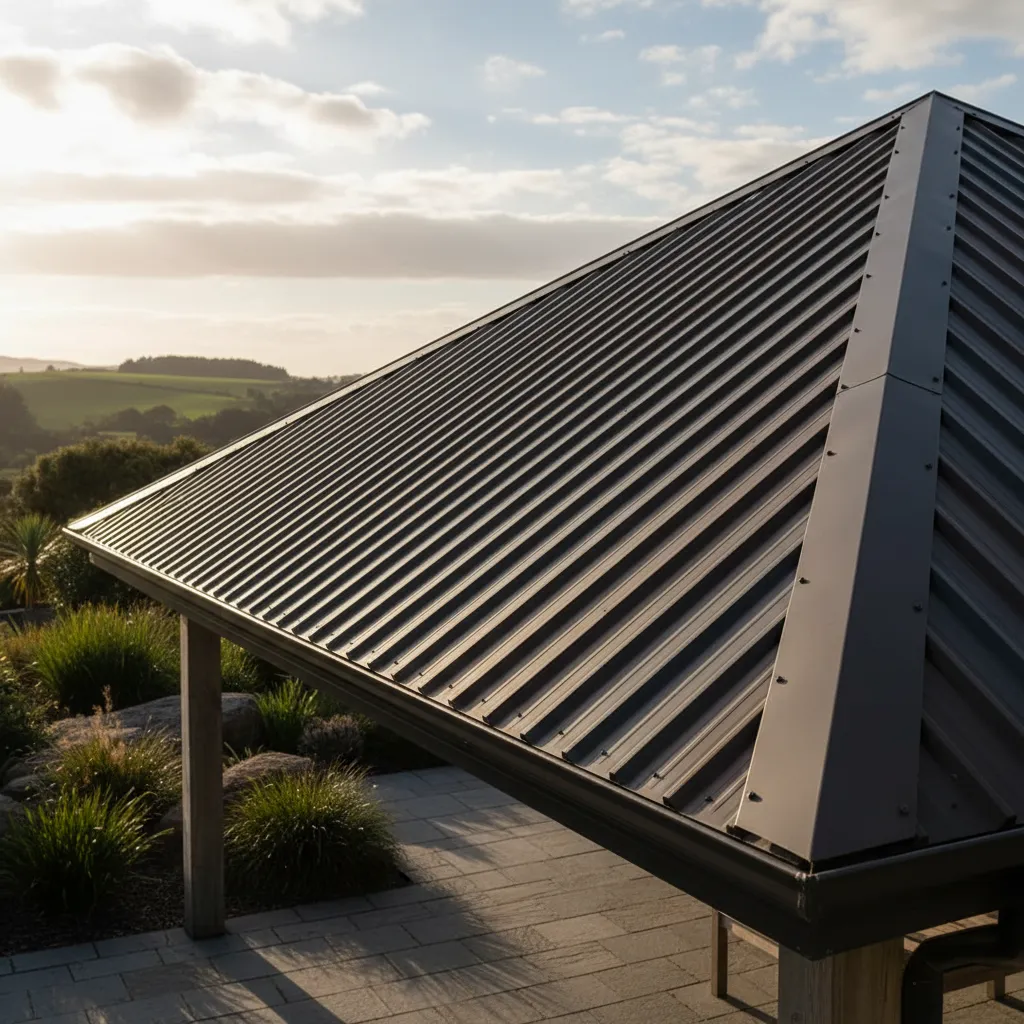
Permalum, conversely, often features a slightly different textural quality. Because aluminum is a softer metal, the roll-forming process can sometimes result in different rib heights or wider pans to maintain structural rigidity. Permalum is frequently available in a more limited color range compared to the full Colorsteel spectrum, though it covers the most popular NZ architectural shades like Grey Friars and Ironsand. For high-end architectural pergolas, the “cleaner” look of certain Permalum profiles—which may avoid the visible micro-cracking sometimes seen in heavily manipulated steel—can be a selling point. However, for those seeking a perfect color match to an existing Colorsteel roof, the choice is usually predetermined by the brand.
Profile Selection for Outdoor Living
When selecting a profile for a pergola, the “underside” aesthetic is just as important as the top view. Since pergolas often lack a ceiling, the underside of the roofing sheet is visible to anyone sitting beneath it. Colorsteel and Permalum both offer double-sided coating options, but the availability of specific colors on the reverse side can vary. Permalum’s lighter weight allows for slightly thinner profiles that still maintain their shape, whereas Colorsteel’s strength allows for longer spans between rafters, potentially reducing the amount of timber or steel framing required in the pergola design.
Which material offers better noise reduction during rain?
Noise management is a significant factor in New Zealand’s temperate climate, where heavy rainfall is common. Metal roofing, by its nature, is resonant. However, there are physical differences in how Permalum and Colorsteel handle acoustic energy. Steel is denser than aluminum. This density generally provides a slightly better sound-dampening effect against the high-frequency “pinging” of raindrops. Colorsteel, when installed correctly with appropriate fixings, tends to be perceived as slightly quieter than aluminum sheets of the same thickness.
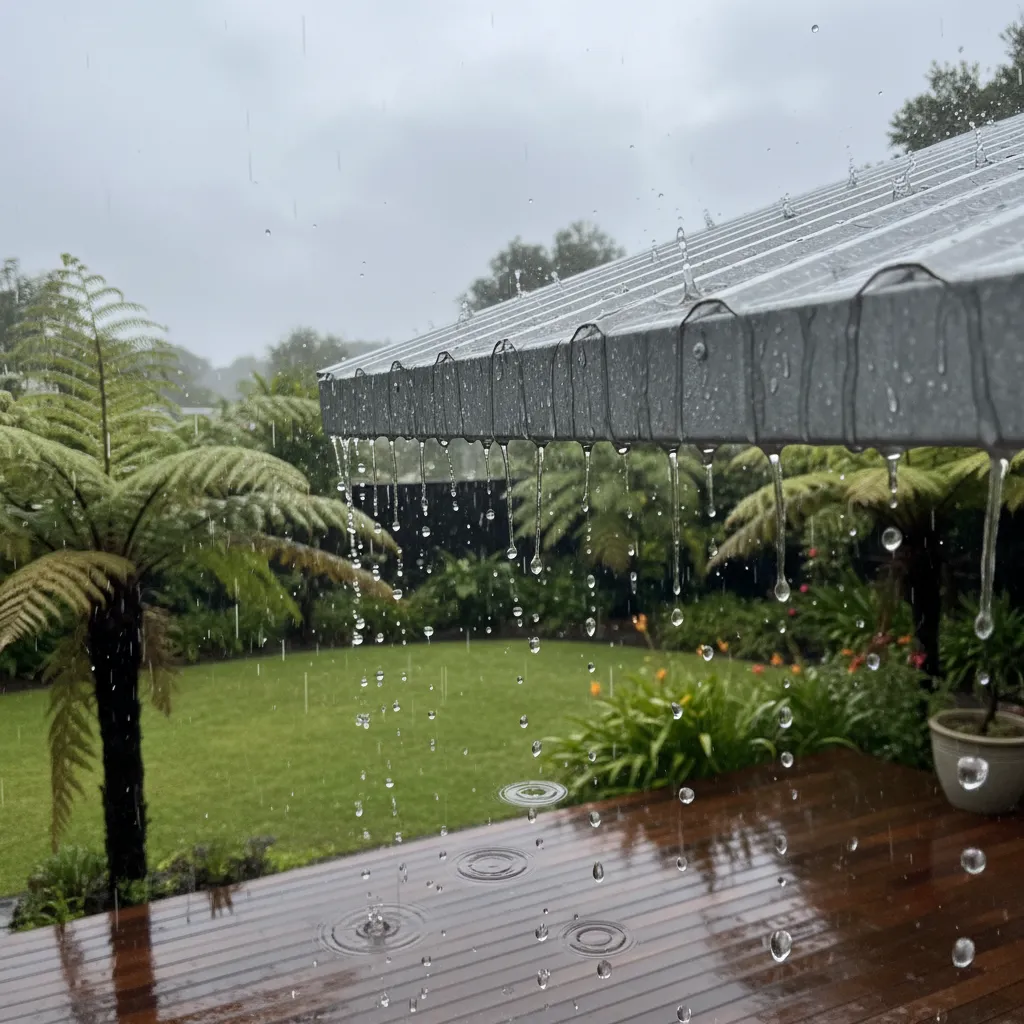
Permalum, being a lighter and more flexible material, can produce a sharper sound profile during heavy downpours. To mitigate this, many commercial pergola installers recommend the use of acoustic tape on the purlins or the installation of a thin polycarbonate or plywood substrate beneath the metal. Another factor in noise is thermal expansion. Aluminum expands and contracts significantly more than steel in response to temperature changes. If the pergola is not designed with slotted fixing holes or specialized clips, Permalum can produce audible “creaking” or “popping” sounds as the sun hits the roof in the morning. Colorsteel is more thermally stable, leading to fewer expansion-related noises over the course of the day.
Cost per square meter comparison: Permalum vs. Colorsteel
From a commercial standpoint, the cost per square meter is often the deciding factor. Colorsteel is generally the more economical option for the vast majority of New Zealand projects. Due to the scale of production and the lower cost of the raw steel substrate, standard Colorsteel Endura or Maxam profiles typically range from $25 to $45 per square meter for the material alone. This makes it the go-to choice for budget-conscious homeowners and large-scale commercial developments where thousands of square meters are required.
Permalum is positioned as a premium product. The cost of raw aluminum is higher than steel, and the specialized coating processes required for aluminum contribute to a higher price point. On average, Permalum can cost 1.5 to 2 times more than standard Colorsteel. However, this initial capital expenditure must be weighed against the lifecycle costs. In a severe marine environment, a Colorsteel roof might require replacement or intensive maintenance after 15 years, whereas Permalum could easily last 30 to 40 years with minimal intervention. For commercial entities looking at a 25-year ROI, Permalum often proves to be the more cost-effective solution despite the higher upfront cost.
Technical Installation and Structural Weight
The structural requirements of a pergola are influenced by the weight of the roofing material. Permalum is approximately one-third the weight of steel. This lightness can be a significant advantage when designing minimalist pergola structures with slimline posts and beams. It reduces the dead load on the structure, which can simplify the engineering requirements, especially for cantilevered designs or pergolas attached to existing structures with limited load-bearing capacity.
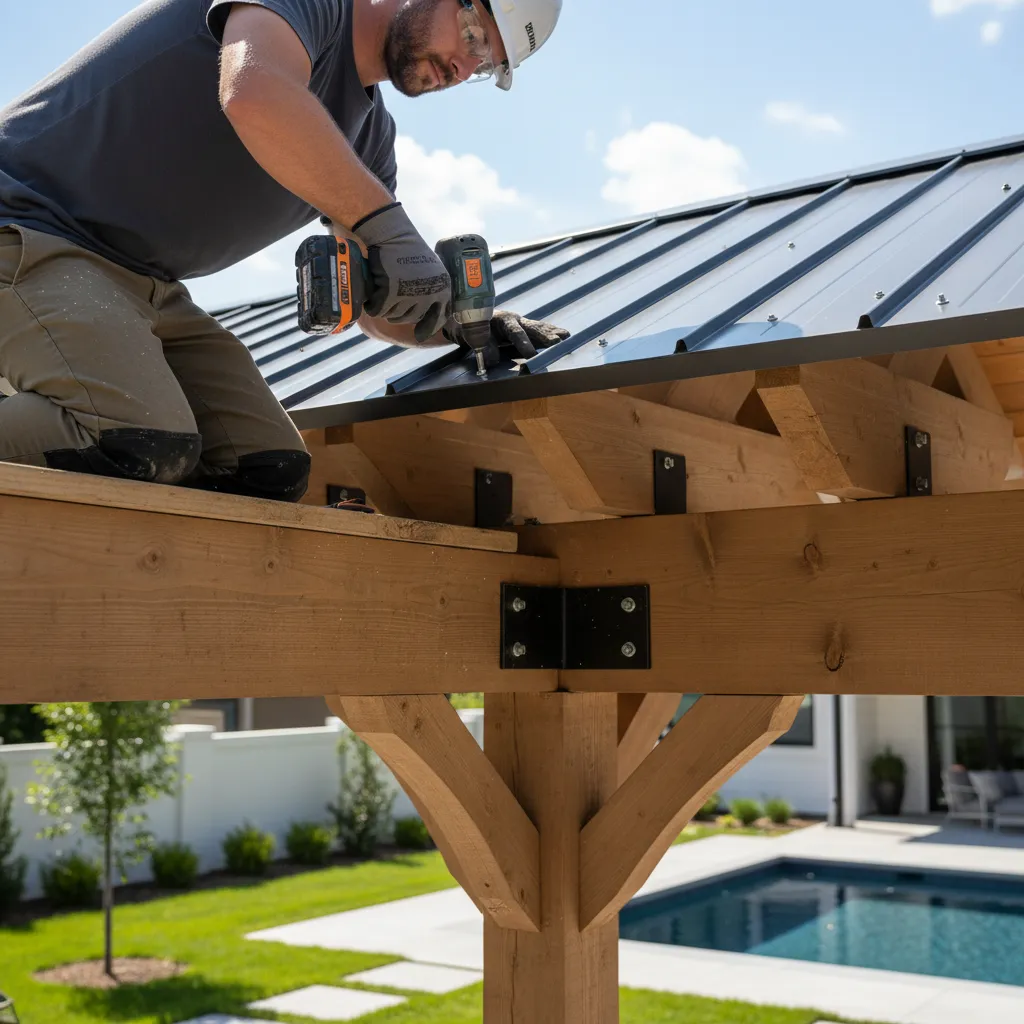
Colorsteel, while heavier, provides superior structural spanning capability. This means that for a given thickness, Colorsteel can span greater distances between support purlins without sagging. This can lead to a cleaner look from below, as fewer horizontal supports are needed. When installing either material, it is vital to use compatible fasteners. For Permalum, stainless steel or specific aluminum-compatible fixings are mandatory to prevent galvanic corrosion. Colorsteel requires Class 4 or 5 galvanized fixings. Mixing these up can lead to rapid failure of the roofing system, particularly in the humid, salt-laden air of New Zealand.
Maintenance and Long-term Lifespan
Maintenance is the final pillar of the Permalum vs. Colorsteel debate. New Zealand building codes (E2/AS1) emphasize the importance of washing “unwashed areas”—those parts of the roof that do not receive regular rain cleaning, such as the underside of pergola overhangs. Both materials require regular washing to remove accumulated salt and debris. However, Permalum is much more forgiving of neglect. If a Colorsteel roof is not washed in a coastal zone, the salt will eventually penetrate the paint and attack the sacrificial coating, leading to corrosion. Permalum’s natural resistance means that even if maintenance is sub-optimal, the structural integrity of the sheet is unlikely to be compromised as quickly.
Ultimately, the choice between Permalum and Colorsteel for a pergola comes down to a balance of location and aesthetics. If your project is inland and requires a specific color to match the home, Colorsteel is the logical choice. If your project is on the coast and you want a roof that will endure the harshest conditions with minimal fuss, Permalum is the superior architectural investment.
Is Permalum more expensive than Colorsteel?
Yes, Permalum typically costs 50% to 100% more per square meter than standard Colorsteel due to the higher cost of aluminum and its specialized manufacturing process.
Can I use Colorsteel in a high-corrosion zone?
Yes, but you must use Colorsteel Altimate, which is specifically designed with an aluminum-zinc-magnesium alloy for coastal environments, and follow strict maintenance schedules.
Which roofing material is quieter during rain?
Colorsteel is generally quieter than Permalum. Its higher density helps dampen the sound of rain impact, and it has lower thermal expansion, reducing creaking noises.
What is the lifespan of Permalum roofing?
In coastal New Zealand, Permalum can last 40 years or more with proper maintenance, significantly outperforming steel-based products in salt-heavy environments.
Does Permalum require special fasteners?
Yes. To avoid galvanic corrosion, Permalum should be installed with stainless steel or aluminum-compatible fasteners and EPDM washers.
Can I walk on pergola roofing made of these materials?
It is generally not recommended to walk directly on pergola roofing as the substructure may not be designed for foot traffic. If necessary, always walk on the purlin lines and use crawling boards.