
A pop up gazebo in NZ is a portable shelter designed for rapid assembly via a collapsible concertina frame, typically constructed from heavy-duty steel or aluminium. The best models for New Zealand conditions feature UV50+ protected, waterproof canopies with PVC linings and reinforced hexagonal legs to withstand high UV levels and variable wind gusts.
New Zealand’s outdoor lifestyle is legendary, but so is its volatile weather. Whether you are hosting a backyard BBQ in Auckland, setting up a market stall in Wellington, or camping in the South Island, a reliable shelter is non-negotiable. Choosing the right pop-up gazebo involves navigating a market flooded with varying specifications, from flimsy beach shades to industrial-grade structures.
Frame Durability: Steel vs Aluminium
When searching for a “pop up gazebo NZ,” the most critical decision you will make concerns the frame material. The frame is the skeleton of your shelter; if it fails, the waterproof rating of the canopy becomes irrelevant. In the New Zealand market, you will predominantly find two materials: powder-coated steel and aluminium.
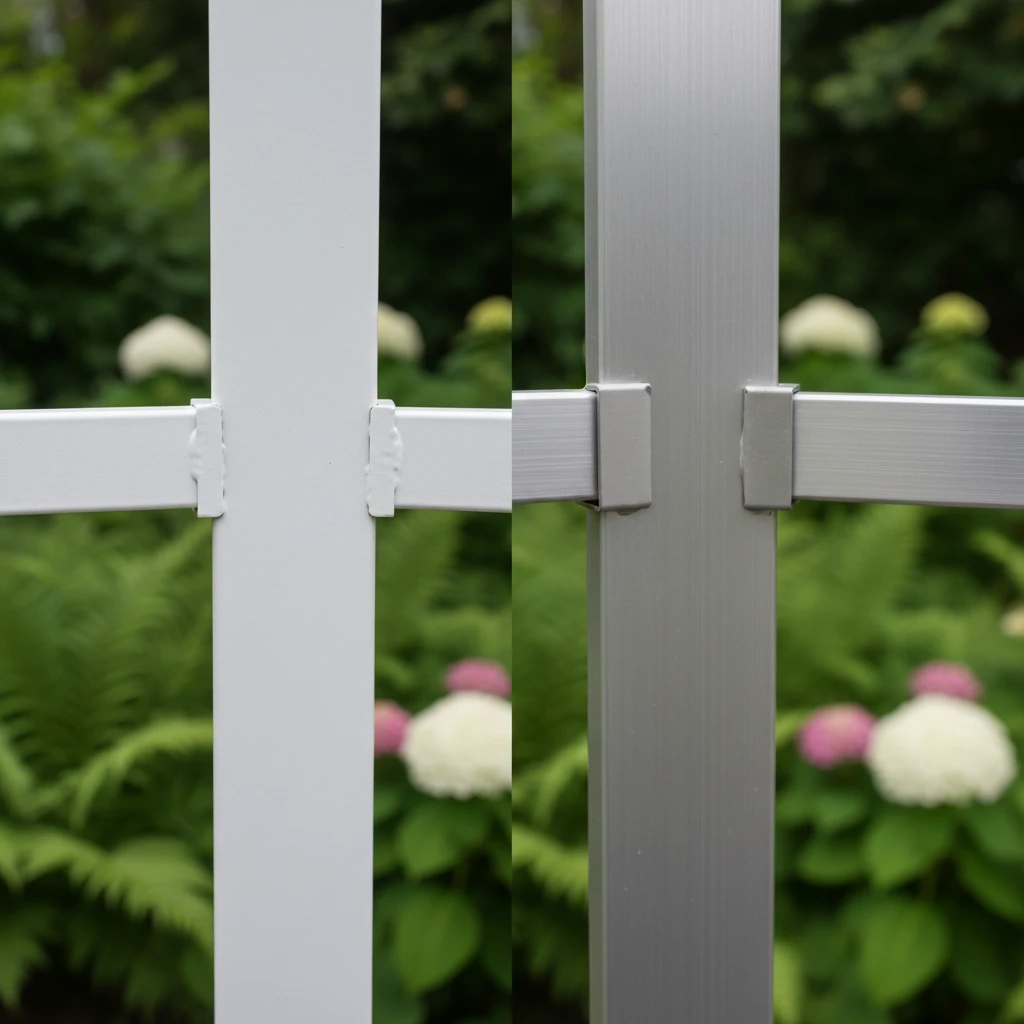
Steel Frames: The Heavyweight Contender
Steel frames are the standard for recreational use and budget-conscious buyers. They are naturally strong and heavier than aluminium, which can actually be a benefit in mild winds as the added weight provides stability.
- Pros: Generally more affordable; high tensile strength makes them resistant to bending under vertical pressure.
- Cons: Susceptible to rust if the powder coating is chipped or scratched. They are significantly heavier to transport.
- Best For: Occasional backyard use, garden parties, and short-term camping trips where weight is not a major issue.
Aluminium Frames: The Commercial Choice
Aluminium is the material of choice for commercial operators, market stallholders, and frequent users. While lighter than steel, high-quality aluminium frames used in gazebos are often thicker to compensate for strength, resulting in a robust structure that is impervious to rust—a crucial feature for coastal NZ locations.
- Pros: 100% rust-proof, lighter to carry relative to their size, and generally look more professional.
- Cons: More expensive upfront. Lower-grade aluminium can be brittle if not reinforced properly.
- Best For: Market stalls, trade shows, beach use, and long-term investment for frequent outdoor entertainers.
Understanding Leg Profiles and Strength
Not all frames are created equal, even if the material is the same. The geometric shape of the legs plays a massive role in how the gazebo handles the notorious New Zealand westerlies.
Square vs. Hexagonal Legs
Entry-level gazebos almost exclusively use square legs (usually 25mm to 30mm). While adequate for calm days, square tubing has structural weaknesses at the corners and is prone to buckling under lateral wind pressure.
Hexagonal (Hex) legs are the industry standard for durability. The six-sided shape provides superior structural integrity and resistance to twisting. In New Zealand, you will typically see:
- 40mm Hex: A great middle-ground for durability and portability. Suitable for regular weekend use.
- 50mm Hex: The gold standard for commercial duty. These are incredibly strong and often used by hire companies and professional market vendors.
Waterproof Ratings and Canopy Quality
The sun in New Zealand is harsh, and the rain can be torrential. A canopy that fades in a month or leaks during a shower is useless. When evaluating canopy quality, look for “Denier” (D) ratings and coating types.

Denier (D) Explained
Denier refers to the thickness of the fabric fibers. A higher number indicates a thicker, heavier, and generally more durable fabric.
- 300D – 420D: Common in recreational models. Lightweight and sufficient for sun shade, but may struggle in heavy, sustained downpours.
- 600D – 800D: The sweet spot for high-quality NZ gazebos. These are tough, resistant to tearing, and heavy enough to not flap violently in the wind.
- 1200D+: Extreme commercial grade. Very heavy and stiff, offering maximum longevity.
PVC Lining vs. PU Coating
For true waterproofing, look for a canopy with a PVC (Polyvinyl Chloride) lining. This is a rubber-like backing fused to the polyester fabric. It ensures the canopy is 100% waterproof and also provides total UV block-out, which is essential for NZ’s high burn times.
PU (Polyurethane) coating is lighter and common on camping gazebos. While waterproof to a degree (measured in mm, e.g., 2000mm waterhead rating), it is generally less durable than a thick PVC lining and can degrade faster under UV exposure.
Ease of Setup for One Person
The term “pop up” implies speed, but the mechanics matter. Most modern gazebos utilize a concertina (accordion-style) frame that expands outwards. However, the locking mechanisms determine whether setup is a breeze or a battle.
Push-Button vs. Pull-Pin Sliders
Avoid old-fashioned push-pins that require you to depress a small metal nipple with your thumb—these are notorious for pinching fingers. Look for:
- Large Pull-Ring Sliders: You simply pull a ring to release the lock.
- Thumb-Latch Sliders: Large plastic levers that are easy to operate even with gloves on.
Can one person set it up?
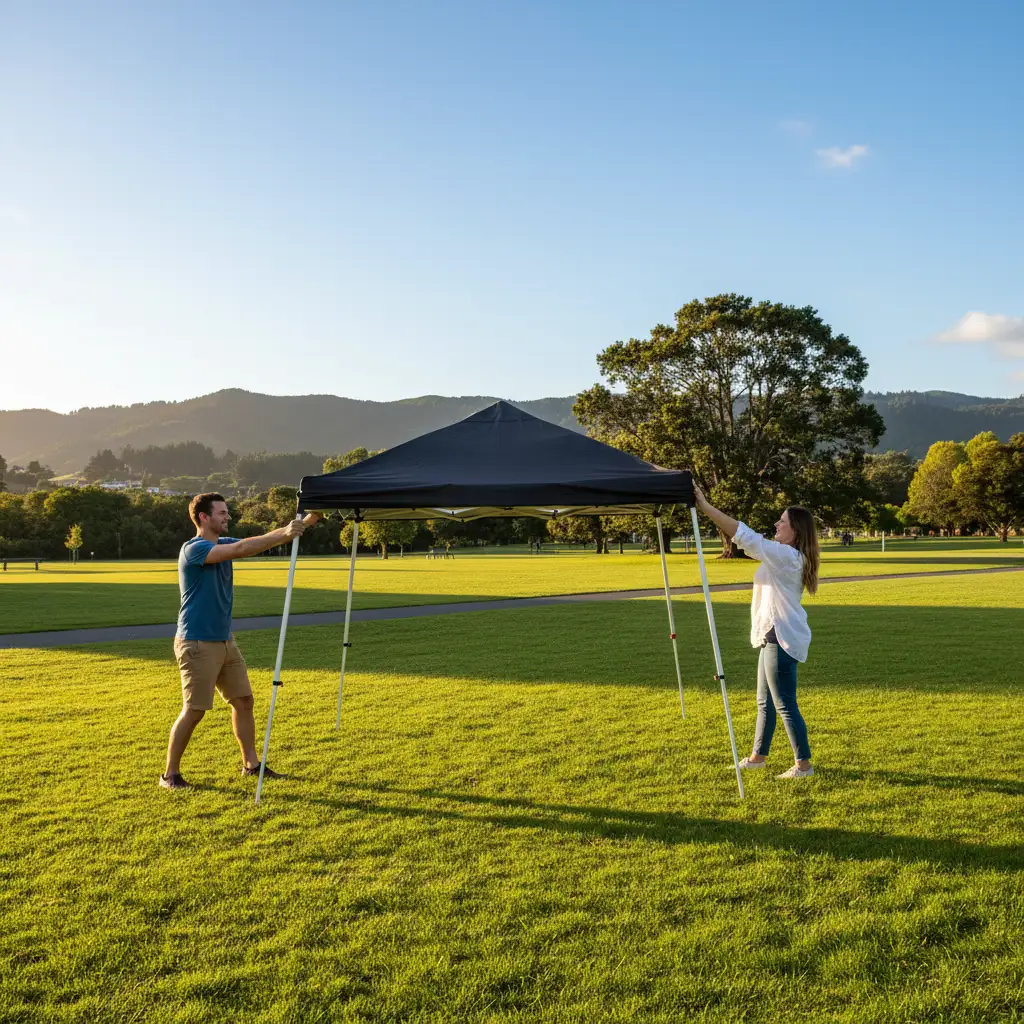
While marketing often claims “one-person setup,” the reality for a 3x3m heavy-duty gazebo is different. Because of the friction in the truss bars and the weight of the canopy, trying to expand the frame from one corner can twist and damage the struts.
The Verdict: A 2.5m x 2.5m lightweight steel gazebo is manageable for one person. For a 3x3m or larger heavy-duty hex-frame gazebo, one person can do it by slowly working around the corners, but two people are highly recommended to ensure the longevity of the frame.
Top Rated Brands and Tiers in NZ
The New Zealand market is segmented into three distinct tiers. Understanding which tier you need will save you money and frustration.
1. The “Big Box” Recreational Tier
Found at major hardware chains (like Bunnings or Mitre 10) and department stores (The Warehouse).
Characteristics: 25mm square steel legs, 300D canopies, plastic joints.
Verdict: Good for one summer or sporadic use. Do not leave unattended in wind.
2. The Specialist Outdoor Tier
Brands like Coleman, Dwights Outdoors, and mid-range Trade Tested models.
Characteristics: Better weatherproofing, often feature wind vents (crucial for NZ), and stronger steel frames.
Verdict: Excellent balance of price and performance for families and campers.
3. The Commercial/Industrial Tier
Brands like Hercules, Shade7, and specialized heavy-duty importers.
Characteristics: 40mm-50mm Hex aluminium frames, 600D+ PVC lined canopies, cast alloy joints (instead of plastic).
Verdict: Essential for business owners, markets, and those who want a “buy once, buy right” solution. These can withstand significantly higher wind loads.
Maintenance and Wind Safety
Even the most expensive industrial gazebo can be destroyed by a sudden gust if not secured properly. In New Zealand, anchoring is not optional.
Weight Bags and Guy Ropes
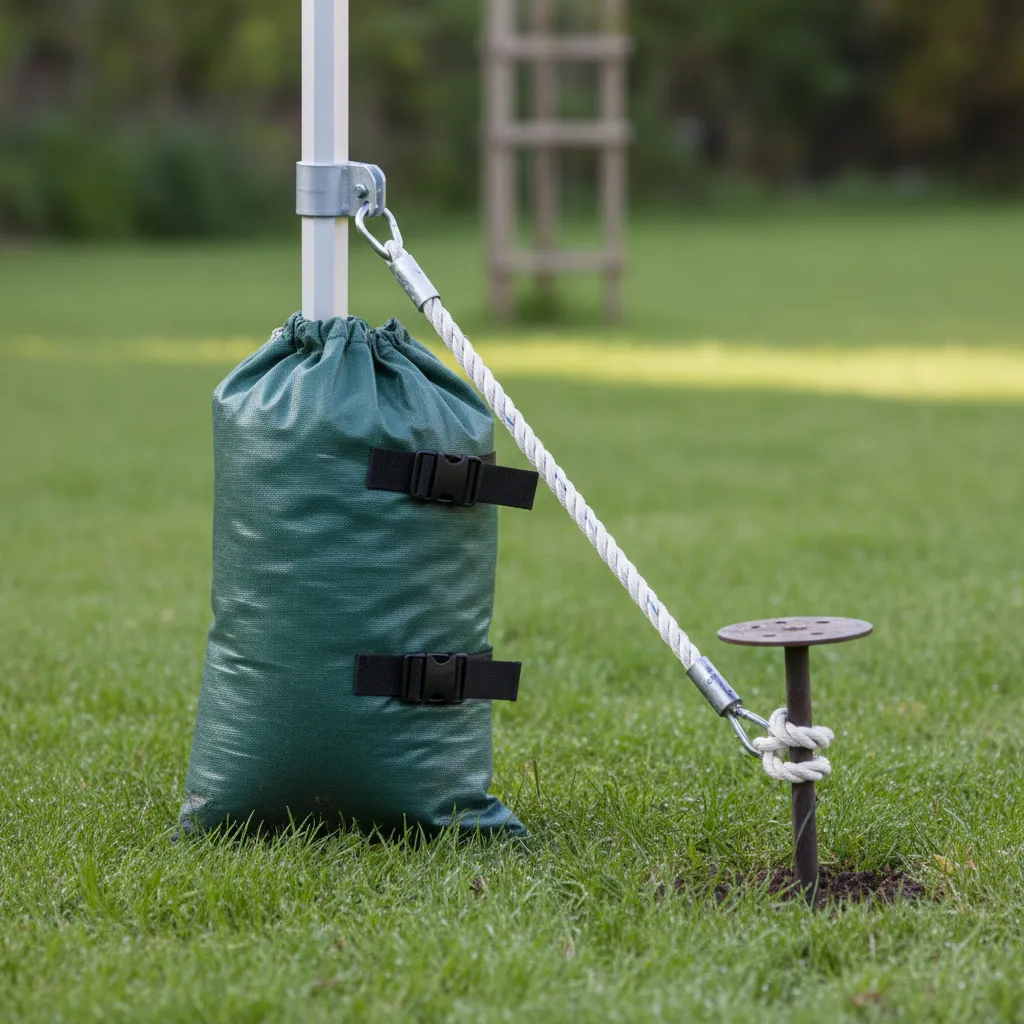
Never rely on the small metal pegs provided with the kit; they pull out of soft soil easily.
Sandbags: Use leg weights (sandbags or cast iron weights) of at least 15kg per leg for a 3x3m gazebo.
Guy Ropes: Always use guy ropes attached to the corners of the canopy, not just the frame. This stabilizes the top section against wind shear.
Cleaning and Storage
To prevent mould (a common issue in NZ’s humid winters), ensure the canopy is bone dry before folding it away. If the canopy gets dirty, clean it with warm water and a mild soap—avoid harsh chemicals that strip the UV coating. Store the frame in a carry bag to prevent dust from clogging the sliding mechanisms.
People Also Ask
What is the best pop up gazebo for wind in NZ?
The best pop up gazebo for wind in NZ is one with a hexagonal leg profile (40mm or 50mm) and a heavy-duty aluminium frame. Brands offering commercial-grade structures withstand wind better than square-leg recreational models. However, all gazebos should be taken down in winds exceeding 35-40km/h regardless of their strength rating.
Can I leave a pop up gazebo up permanently?
No, pop up gazebos are designed as temporary structures. While high-end commercial models are durable, leaving them up permanently exposes the fabric to constant UV degradation and the frame to unexpected storms. For permanent shade, consider a pergola or a shade sail.
What is the difference between 300D and 600D gazebo fabric?
The “D” stands for Denier, measuring the fiber thickness. 600D fabric is twice as thick as 300D, offering superior resistance to tearing, better waterproofing, and longer lifespan under the NZ sun. 600D is the recommended standard for durability.
How do I stop my gazebo from blowing away?
You must anchor it at all four corners. Use heavy-duty tent pegs for grass, or leg weights (sandbags/cast iron) for hard surfaces like concrete. 15kg-20kg of weight per leg is recommended. additionally, use guy ropes attached to the canopy corners to prevent frame twisting.
Are aluminium or steel gazebos better?
Aluminium is generally better for longevity in NZ because it does not rust, making it ideal for coastal areas. It is also lighter to transport. Steel is stronger against bending but is heavier and prone to rust if the paint chips. Choose aluminium for frequent/commercial use and steel for occasional budget-friendly use.
What size gazebo is best for a market stall?
The standard size for most New Zealand market sites is 3m x 3m. This fits within standard plot allocations. If you have a double site, a 3m x 6m or two 3m x 3m gazebos clamped together are the most common configurations.