
The best louvered roof systems in New Zealand are characterized by marine-grade aluminium construction, fully automated blade rotation, and integrated internal guttering. Top-rated manufacturers such as Louvretec, Johnson & Couzins, and Stratco dominate the market, offering systems specifically engineered to withstand NZ’s high wind zones and variable coastal weather conditions.
New Zealand’s outdoor lifestyle is iconic, yet the weather is notoriously unpredictable. One moment you are basking in the sun, and the next, a southerly front rolls in. This variability has driven a surge in the popularity of opening roof systems. Finding the best louvered roof systems NZ has to offer requires navigating a market filled with various engineering standards, aesthetic choices, and price points. This guide provides a comprehensive analysis for commercial and residential buyers looking to invest in a premium outdoor living structure.
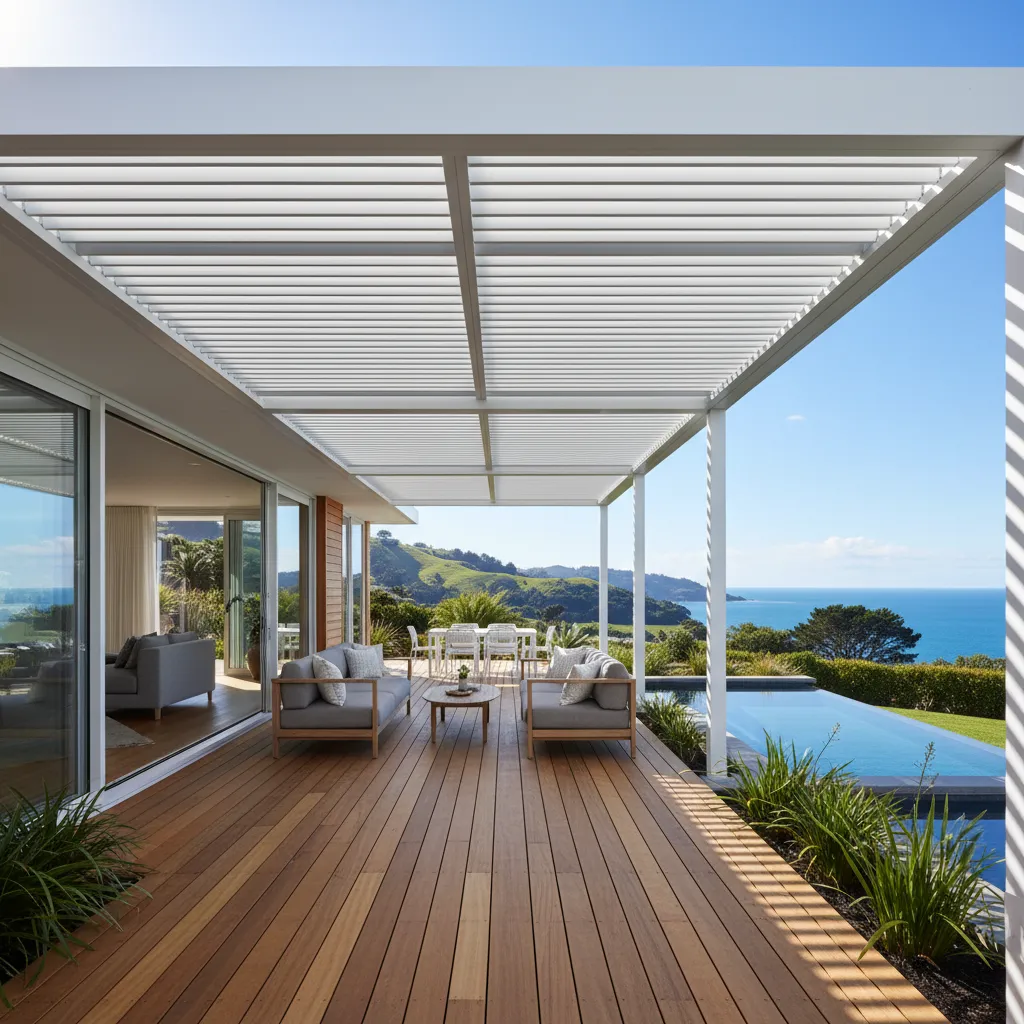
Who are the top louvered roof manufacturers in NZ?
When evaluating the best louvered roof systems in NZ, four primary competitors consistently lead the market in terms of engineering quality, brand reputation, and nationwide support. Understanding the nuances between these brands is critical for making an informed commercial decision.
Louvretec
Louvretec is arguably the most recognized brand in the New Zealand market. Known for their premium positioning, they offer a wide range of blade shapes, from the ‘Super Roof’ range designed for large spans to smaller, residential profiles. Their systems are synonymous with architectural elegance.
- Key Feature: Their spiral pivot system is hidden within the frame, providing a sleek, clean aesthetic with no visible motor arms.
- Best For: High-end architectural homes where aesthetics are the primary driver.
Johnson & Couzins
Johnson & Couzins are renowned for innovation. They are often first-to-market with new technologies, such as their ‘Silencio’ system which reduces the noise of mechanical operation and rain impact. They manufacture locally in Christchurch, ensuring their products are tested against the harshest South Island conditions.
- Key Feature: The Concertina Louvre, which not only rotates but also retracts completely to reveal the full sky—a feature distinct from standard rotating-only roofs.
- Best For: Homeowners wanting versatility between full shade, filtered light, and complete open-sky views.
Stratco
Stratco offers the ‘Pavilion’ and ‘Outback’ ranges. While they sit at a slightly more accessible price point than the bespoke architectural brands, their engineering is robust. The Stratco Outback Sunroof is a popular choice for mid-range renovations.
- Key Feature: Excellent colour matching with standard COLORSTEEL® ranges, ensuring the structure blends with existing roofing.
- Best For: Cost-effective durability and standard residential additions.
HomePlus
HomePlus utilizes the Louvre Roof system, which is a modular and adaptable solution. They have an extensive network of installers across New Zealand, making them a reliable choice for after-sales service and parts.
- Key Feature: Strong focus on customisation for difficult spaces and integration with drop-down screens.
- Best For: Retrofitting existing outdoor areas.
How do blade rotation and control systems compare?
The core functionality of any louvered roof is the blade mechanics. The “best” system is defined by the range of motion and the reliability of the drive system.
Rotation Angles: 90 vs. 180 Degrees
Early generations of opening roofs only rotated 90 degrees. However, the current industry standard for a premium system is near-180-degree rotation. Why does this matter?
In New Zealand, the sun angle changes drastically between summer and winter. A 180-degree blade allows you to “chase the sun.” You can angle the blades to let the morning sun in, block the harsh midday UV rays, and then angle them in the opposite direction to catch the last of the evening light. Systems limited to 90 degrees will block the sun completely during certain times of the day, reducing the utility of your outdoor space.
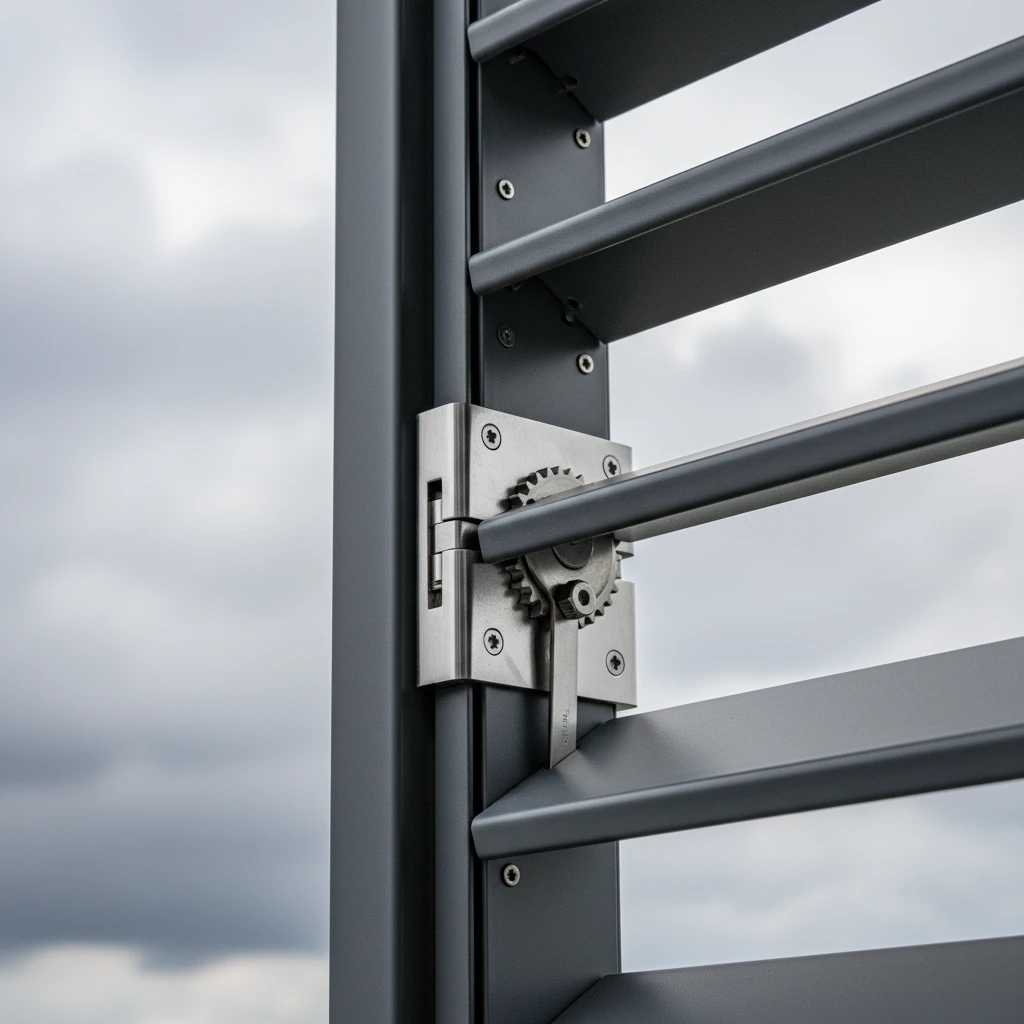
Motorisation and Automation
Manual hand-crank systems are available but are generally not recommended for large spans due to the weight of the aluminium. The best systems utilize low-voltage linear actuators or tubular motors.
Rain Sensors: An essential feature for NZ weather. A rain sensor automatically closes the roof when moisture is detected. This protects your outdoor furniture and cushions from unexpected showers. High-end systems allow you to adjust the sensitivity of these sensors.
Smart Home Integration: Leading brands now offer Wi-Fi hubs that connect the roof to apps on your phone or systems like Google Home and Amazon Alexa. This allows you to open the roof from your office to dry out the deck or close it if a storm is approaching.
What makes an integrated guttering system superior?
Water management is the most critical engineering challenge for a flat, louvered roof. If the guttering fails, the space below becomes unusable during rain, defeating the purpose of the investment.
Internal vs. External Gutters
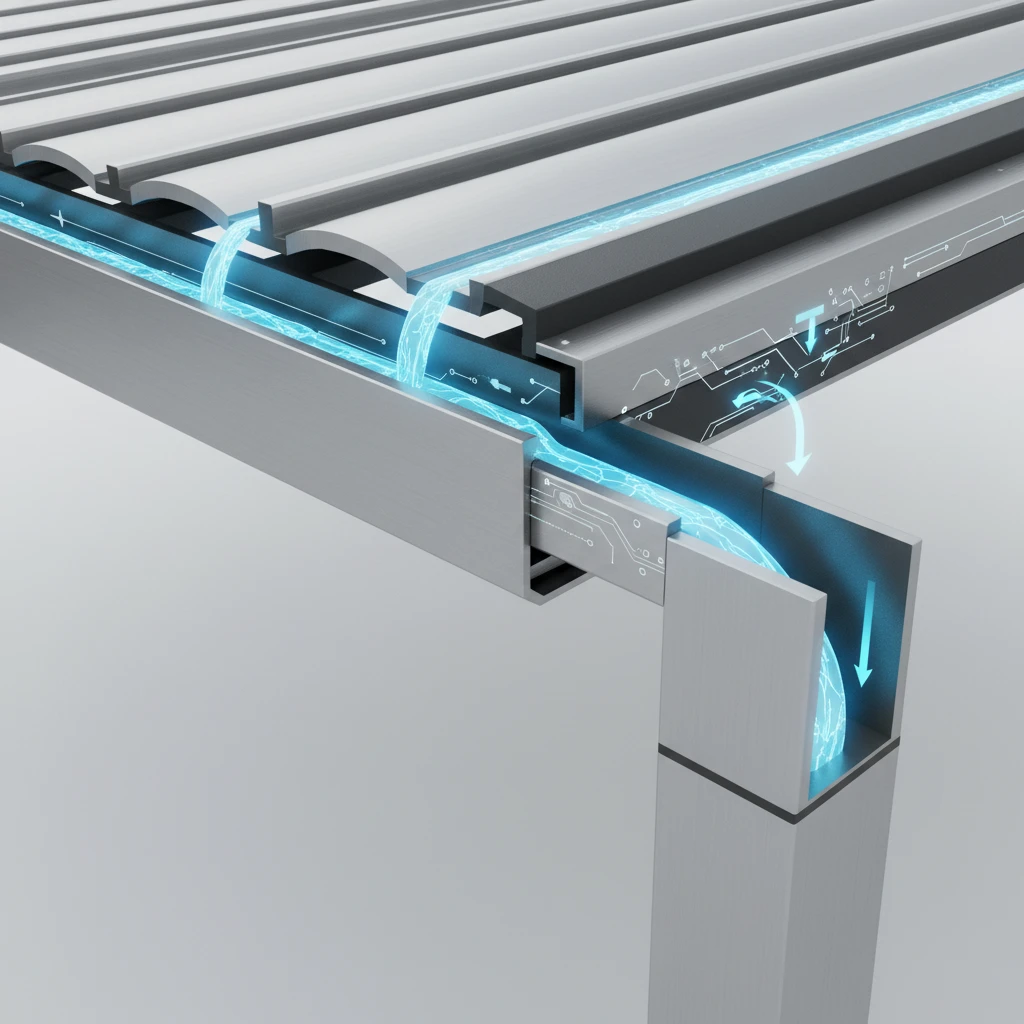
The best louvered roof systems in NZ feature fully integrated internal guttering. This means the gutter is concealed within the perimeter beam of the structure.
- Aesthetics: The beams look like substantial architectural elements rather than having ugly PVC spouting tacked onto the side.
- Functionality: When the blades are closed, they form channels that direct water into the perimeter gutter. From there, water is channeled down through the support posts (downpipes are hidden inside the posts) to the stormwater drain.
Blade Seals: Look for blades that feature rubber weather strips or felt seals along the overlapping edge. This prevents “capillary action”—where water wicks between the blades during heavy rain—and stops blade rattling during high winds.
How can you customise your outdoor living area?
A louvered roof is rarely a standalone purchase. To create a true “outdoor room,” additional components are usually integrated into the build.
Integrated LED Lighting
Top-tier systems offer lighting integrated directly into the frame or the louvre blades themselves. LED strips recessed into the perimeter beams provide ambient light, while downlights installed in the frame offer task lighting for dining. Ensure the lighting chosen is rated IP65 or higher for outdoor water resistance.
Heating and Enclosure
To extend the use of the area into the NZ winter, infrared heaters are a common addition. However, heating is ineffective if the wind blows it away. This is where Ziptrak® or similar drop-down blind systems come into play. Many manufacturers design their perimeter beams with built-in tracks to seamlessly accommodate these blinds, creating a fully enclosed conservatory-style room at the touch of a button.
How do warranties compare across brands?
The durability of your system depends largely on the quality of the aluminium extrusion and the powder coating finish. New Zealand has a high UV index and salt-laden air, which is aggressive toward metals.
Powder Coating Standards
Ensure your chosen provider uses reputable powder coat brands like Dulux or Interpon.
- Standard Warranty: Usually 10-15 years on the finish.
- Coastal Warranty: If you live within 500m of the sea, you must specify a “marine-grade” or “Duratec” finish. Standard finishes will corrode and bubble in coastal zones, and using them may void your warranty.
Mechanical Warranties
Motors and electronics are the most likely failure points. The industry standard warranty for motors (e.g., Somfy or proprietary brands) is 5 years. Workmanship warranties on the installation itself usually range from 5 to 10 years. Always check if the warranty covers labour for repairs, or just the parts.
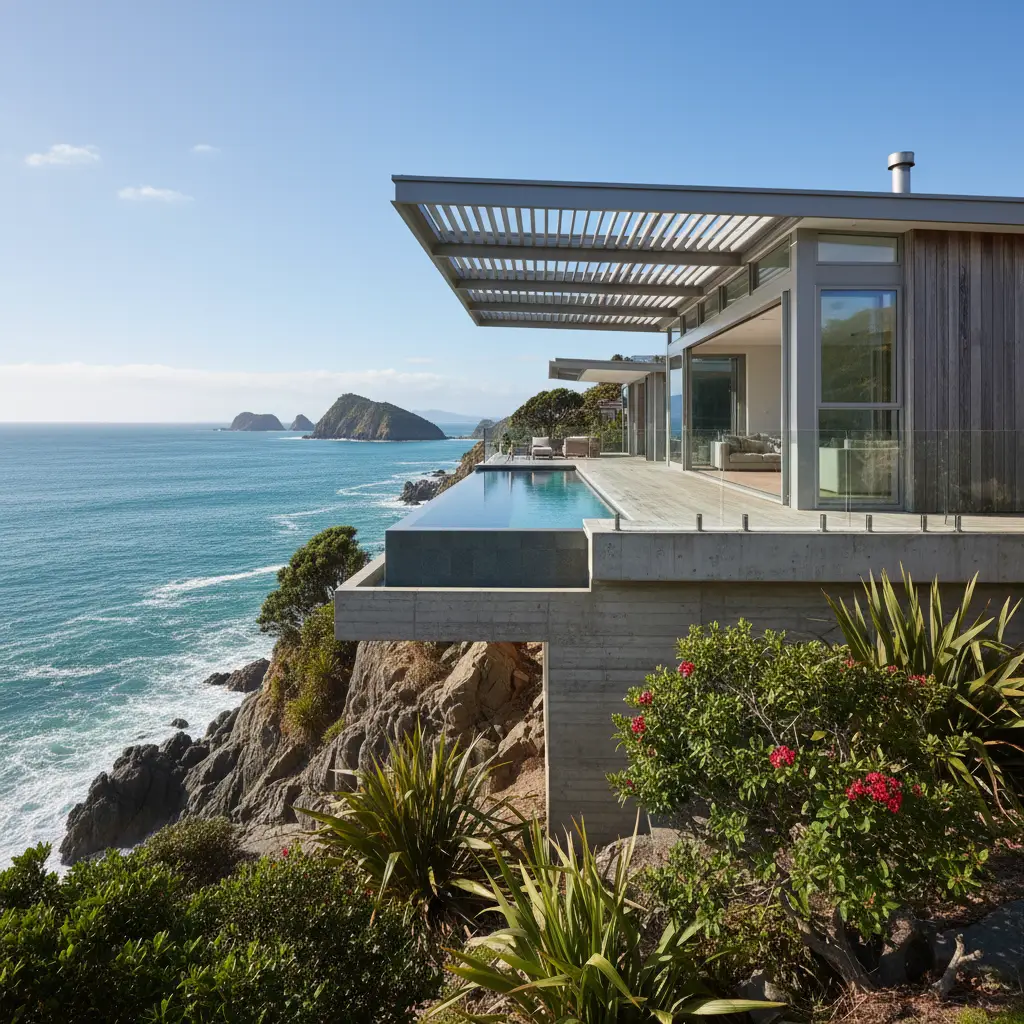
Do you need a building consent for a louvered roof in NZ?
This is a common area of confusion. Generally, the rules are as follows:
- Exemptions: Under Schedule 1 of the Building Act, ground-floor awnings or pergolas up to 20 square metres may often be exempt from building consent, provided they do not overlook a boundary or negatively impact the existing structure’s weathertightness.
- Consent Required: If the roof is attached to the house in a way that modifies the building envelope, is larger than 20-30sqm (depending on council), or is on a balcony/deck where fall height is a risk, a consent is almost always required.
Leading manufacturers like Louvretec and Johnson & Couzins usually handle the council consent process as part of their service package, providing the necessary engineering PS1 documents.
People Also Ask
How much does a louvered roof cost in NZ?
The cost varies significantly based on size and automation. On average, expect to pay between $1,500 and $2,500 per square metre for a fully installed, motorised system from a premium brand. Small manual systems may start lower, while complex architectural installations can exceed this range.
Are louvered roofs 100% waterproof?
High-quality systems are designed to be waterproof during normal rain conditions. When blades are closed, they interlock to form a seal. However, in extreme weather events with horizontal rain, minor ingress can occur. Integrated guttering is essential to manage the water flow effectively.
Do louvered roofs add value to a home?
Yes, creating a functional “outdoor room” is widely considered one of the best ways to add value to a New Zealand property. It effectively increases the usable square footage of the living area, which is highly attractive to potential buyers.
Can I install a louvered roof myself?
While kit-set options exist (e.g., from hardware stores), they lack the durability, wind ratings, and water-tightness of professional systems. Given the structural requirements and electrical work needed for motors, professional installation is strongly recommended.
What is the difference between a pergola and a louvered roof?
A traditional pergola is an open lattice structure that provides partial shade but no rain protection. A louvered roof is a mechanical system with adjustable blades that can provide full shade, partial light, or complete waterproof protection.
How do I clean my louvered roof?
Regular maintenance involves washing the blades and frame with warm soapy water and a soft brush every 3-6 months. This is critical in coastal areas to remove salt buildup. Gutters should be cleared of leaves and debris regularly to prevent blockages.