
Getting a custom heritage pergola quote in Wellington involves assessing site-specific wind zones, architectural compatibility (such as scrollwork matching existing villas), and material selection like H5 treated pine or macrocarpa. A professional quote provides a detailed breakdown of design, fabrication, and installation costs tailored to your property’s historic character.
Wellington’s architectural landscape is defined by its stunning turn-of-the-century villas, bungalows, and cottages. When enhancing these properties with outdoor living structures, off-the-shelf solutions rarely suffice. A custom heritage pergola is not merely a garden addition; it is an architectural extension that must respect the lines, proportions, and detailing of the original home. Whether you reside in the wind-swept hills of Khandallah or the historic streets of Mount Victoria, understanding the nuances of a custom heritage pergola quote in Wellington is the first step toward transforming your outdoor space.
Understanding Heritage Pergola Pricing in Wellington
When soliciting a quote for a heritage-style pergola, it is crucial to recognize that you are paying for bespoke craftsmanship rather than mass production. Unlike modern aluminium louvre systems or kitset pine structures found at hardware chains, a heritage pergola is designed to look as though it has always been part of the house. This requires heavier timber profiles, specific joinery techniques, and a deep understanding of classical proportions.
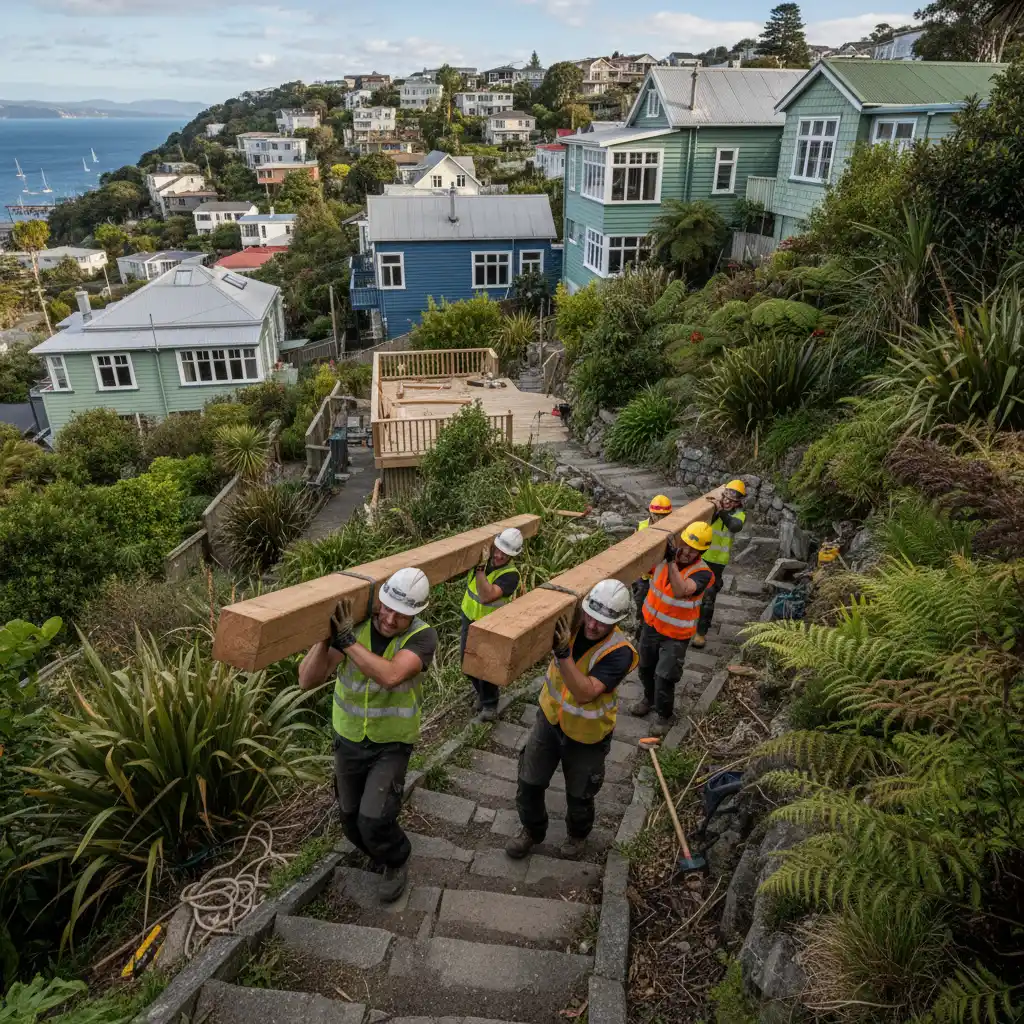
A comprehensive quote should be transparent, breaking down the costs into three primary categories: materials, labor (fabrication and installation), and compliance (council consents and engineering). In the Wellington market, prices can vary significantly based on site accessibility—carrying heavy beams up the steps of a hillside property in Roseneath costs more than a flat site installation in Petone.
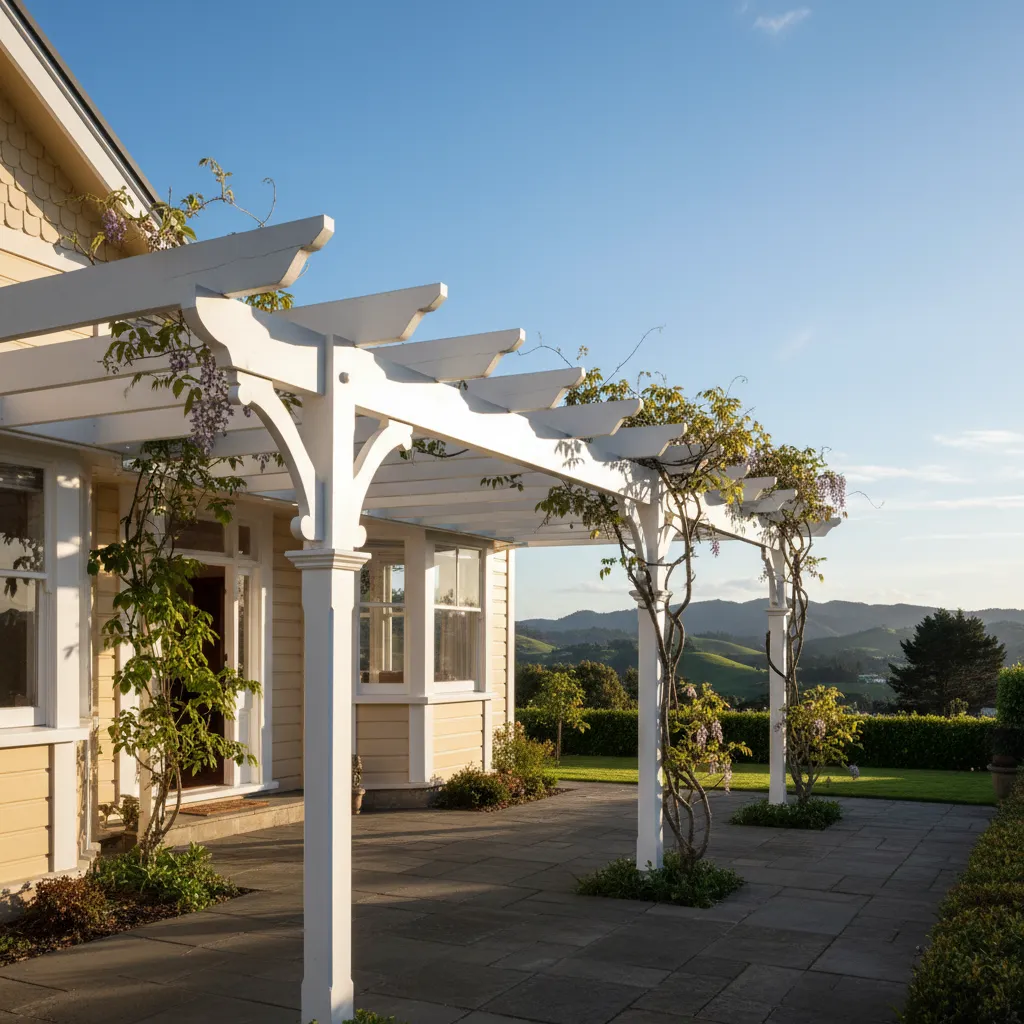
Key Cost Factors: Timber, Scrollwork, and Detailing
The final figure on your custom heritage pergola quote in Wellington is driven heavily by the level of detail and the quality of materials specified. To achieve an authentic look, shortcuts cannot be taken.
1. Heavy Timber Profiles
Heritage pergolas demand visual weight. Standard 100x50mm timber looks spindly and out of place against the grand facade of an Edwardian villa. Authentic designs often utilize:
- Posts: Minimum 150x150mm (6×6 inch) or even 200x200mm laminated posts to provide grandeur and stability.
- Beams: Deep profiles (e.g., 250x50mm or 300x75mm) are necessary to span distances without sagging and to provide enough surface area for decorative end cuts.
- Material Choice: While H3.2 treated Radiata Pine is the standard for painting, many heritage projects specify Macrocarpa or Cedar for their natural durability and aesthetic, though these significantly increase the material line item in your quote.
2. Scrollwork and Decorative Ends
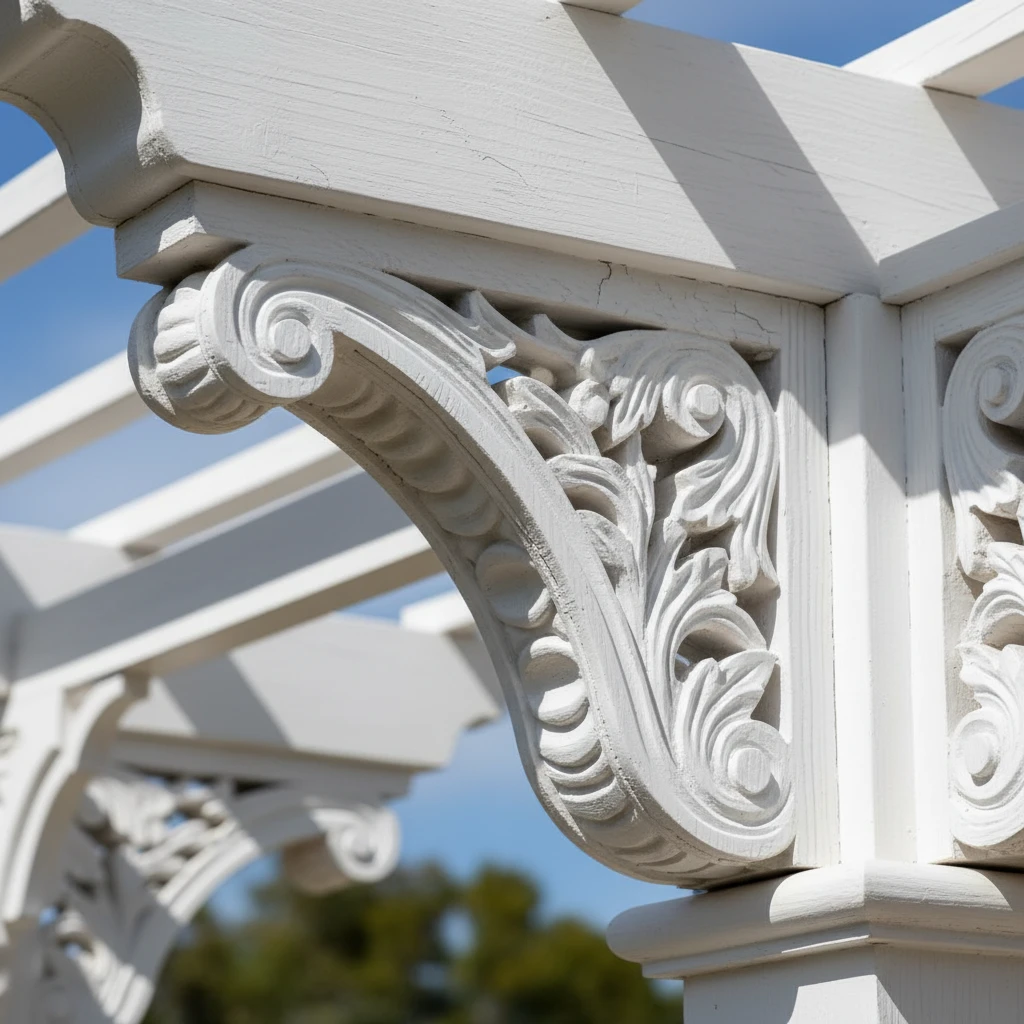
The defining feature of a heritage pergola is the scrollwork. This refers to the decorative shaping at the ends of rafters and beams. A generic quote might include a simple 45-degree cut, but a true heritage quote will account for:
- Custom Templates: Creating a template that matches the existing fascia or barge boards of your home.
- Machining Time: Each rafter tail must be individually cut and sanded. If your pergola has 20 rafters, this represents significant labor hours.
- Corbels and Knee Braces: These are the angled supports connecting the post to the beam. In heritage designs, these are often curved or chamfered, requiring skilled joinery rather than simple nailing.
3. Paint and Finish
Never underestimate the cost of the finish. A heritage pergola is typically painted to match the trim of the house (often white or cream). The quote should include priming all timber before assembly (to prevent rot in the joints) and multiple topcoats. High-quality exterior acrylic enamels are essential to withstand Wellington’s UV and salt spray.
Wellington Specifics: Wind Zones and Topography
Wellington presents unique challenges that directly impact the bottom line of your quote. Builders and architects must adhere to NZS 3604, the standard for timber-framed buildings, but local conditions often push requirements further.
The “Windy Wellington” Factor
Most of Wellington falls into “High,” “Very High,” or even “Extra High” wind zones. A pergola is essentially a large sail or wing. When requesting a quote, ensure the builder has calculated for:
- Uplift Restraint: Standard nails are insufficient. You will likely see costs for specific stainless steel bolts, brackets, or proprietary fixings designed to keep the roof structure attached to the posts during a southerly gale.
- Concrete Footings: In high wind zones, the mass of the concrete footing holding the post down is critical. Expect quotes to include substantial excavation and concrete volume costs to counter uplift forces.
Site Access and Topography
If your property is located in suburbs with steep access (like Wadestown, Highbury, or Hataitai), the logistics of moving 6-meter long heavy timber beams become complex. Your quote may include a line item for “Materials Handling” or even crane hire if the site is inaccessible by foot.
What to Ask Your Architect or Builder
To ensure you receive an accurate and comparable custom heritage pergola quote in Wellington, you must ask the right questions during the initial consultation. Vague requests lead to vague pricing and potential budget blowouts later.
1. “How will you match the existing architecture?”
Ask if they will take profiles of your existing moulding. A specialist should be able to replicate the exact curve of your veranda fretwork on the new pergola.
2. “What grade of timber and treatment are you quoting?”
Ensure they are quoting Premium Grade (clears or dressing grade) if you want a smooth finish. For ground contact posts, insist on H5 treatment. For painted timber above ground, H3.1 or H3.2 is standard. Do not accept H1.2 (borer treated only) for outdoor use.
3. “Does this quote include roofing?”
Many heritage pergolas are open-topped, but in Wellington, a clear polycarbonate or glass roof extends usability. If you want roofing, specify that you need a “heritage profile” roofing sheet or a flat glazing system that is concealed behind the beams so it doesn’t ruin the aesthetic.
4. “Is council consent included or required?”
Generally, pergolas under 20 square meters (and sometimes up to 30sqm) may be exempt from building consent. However, if you are in a Heritage Zone or if the structure is attached to the house in a way that affects weathertightness, consent might be needed. Ask your builder to clarify their assumption regarding consents in the quote.
Leading Heritage Specialists in Wellington
Finding the right contractor is as important as the design itself. In Wellington, you are looking for “Finish Carpenters” or “Joiners” rather than general construction gangs. Heritage specialists understand the “Language of the Villa.”
When reviewing potential contractors for your quote, look for portfolios that demonstrate:
- Joinery Skills: Look for tight joints without excessive filler.
- Proportion Management: The ability to scale the pergola so it doesn’t overwhelm the house.
- Material Knowledge: Experience with restoration timbers.
Local architectural designers who specialize in villa restorations can often recommend builders who are trusted to deliver high-quality scroll work and finishing.
Requesting a Site Measure in Wellington
The final step in securing your custom heritage pergola quote in Wellington is the site measure. This is a non-negotiable part of the process for custom work. You cannot get a binding fixed-price quote over the phone.
The Process
- Initial Consultation: You discuss your vision, budget, and the era of your home.
- The Site Visit: The builder or architect visits to measure the space, check ground levels, assess the house structure (for attachment points), and determine wind zone requirements.
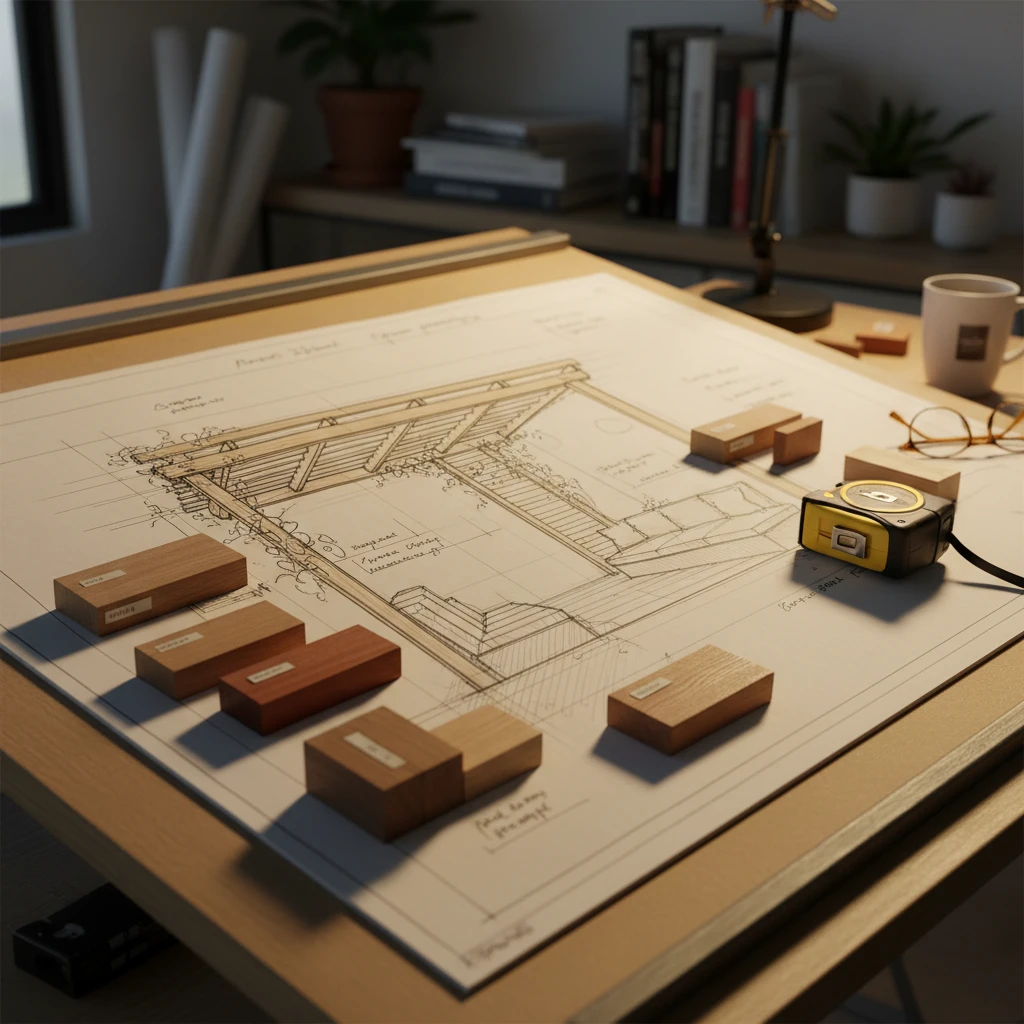
- Design Concept: For high-end heritage work, you may receive a 3D concept or a detailed sketch to confirm the scrollwork style.
- The Detailed Quote: You receive a breakdown including materials, hardware, labor, painting, and waste removal.
When you are ready to proceed, ensure the quote includes a timeline. Good heritage specialists in Wellington are often booked months in advance, so starting the conversation early—preferably in autumn or winter for a summer build—is advisable.
Investing in a custom heritage pergola enhances not just your lifestyle, but the capital value of your property. It bridges the gap between the historic charm of your home and the natural beauty of the Wellington landscape, creating a timeless space for relaxation and entertainment.
People Also Ask
Do I need a building consent for a pergola in Wellington?
In many cases, a pergola under 20m² (or 30m² if designed by a Chartered Professional Engineer or LBP) does not require a building consent, provided it is on the ground floor. However, resource consent may be required if your property is in a designated Heritage Area or if you breach boundary setbacks. Always check with the Wellington City Council or your builder first.
How much does a custom heritage pergola cost in Wellington?
Costs vary widely based on size and timber choice, but a fully finished, custom-painted heritage pergola typically ranges from $800 to $1,500+ per square meter. This accounts for the high labor content involved in scrollwork, detailing, and painting compared to standard kitset options.
What is the best timber for a painted pergola?
For a painted finish, H3.2 treated Radiata Pine (Premium/Dressing grade) is the most common and cost-effective choice in New Zealand. It is smooth, holds paint well, and is treated against rot. For a natural look, Macrocarpa or Cedar are preferred but are significantly more expensive.
Can I put a clear roof on a heritage pergola?
Yes. To maintain the heritage aesthetic, builders often use flat, clear polycarbonate or glass sheets laid with a minimal pitch. These are often installed on top of the rafters or recessed slightly so they are not visible from the garden, keeping the focus on the timber detailing while providing rain protection.
How do I match the scrollwork to my villa?
A specialist builder will take a template or tracing of the existing scrollwork on your veranda, eaves, or barge boards. They will then replicate this profile on the ends of the pergola beams and rafters to ensure seamless architectural integration.
How long does it take to build a custom pergola?
Once materials are on-site, the construction of a standard residential pergola typically takes 3 to 5 days. However, the process of painting (which requires drying time between coats) can extend this. Fabrication of custom scrollwork is often done off-site in a workshop prior to installation.