
Wooden gazebo kits NZ provide homeowners with pre-cut, pre-drilled timber structures designed for easy DIY assembly and durability in New Zealand’s variable climate. Available in premium Western Red Cedar or treated Radiata Pine, these kitsets offer a cost-effective solution for adding functional, aesthetic outdoor living space without the expense of custom construction.
Transforming your backyard into a functional sanctuary often begins with the right structure. For Kiwi homeowners, wooden gazebo kits NZ have become the gold standard for blending natural aesthetics with practical outdoor living. Whether you are looking to shelter a spa pool, create an alfresco dining area, or simply add a focal point to your garden, a kitset offers a streamlined path to construction.
New Zealand’s unique climate—ranging from harsh UV rays to high moisture levels—demands robust materials and engineering. This guide explores everything you need to know about selecting, assembling, and maintaining the perfect timber gazebo for your property.
Why Choose Wooden Gazebo Kits in NZ?
The demand for wooden gazebo kits in NZ has surged as homeowners seek to maximize their property value and lifestyle potential. Unlike metal or vinyl alternatives, timber structures offer a warmth and solidity that integrates seamlessly with the natural New Zealand landscape.

Cost-Effectiveness vs. Custom Builds
One of the primary drivers for choosing a kitset is cost efficiency. Custom-built gazebos require architectural drawings, labour costs for carpenters, and significant material wastage. A kitset, by contrast, is manufactured with precision machinery, ensuring every piece of timber is utilized. This mass production model allows suppliers to pass savings on to the consumer, often costing 30% to 50% less than a bespoke build of similar size.
Engineered for NZ Conditions
Local manufacturers design wooden gazebo kits NZ specifically to withstand local wind zones and precipitation. High-quality kits are engineered to meet New Zealand Building Code standards, particularly regarding structural integrity during high winds. The timber used is typically treated or naturally durable, ensuring resistance against rot, borer, and the damp conditions prevalent in many parts of the country.
Cedar vs. Treated Pine: Choosing the Right Timber
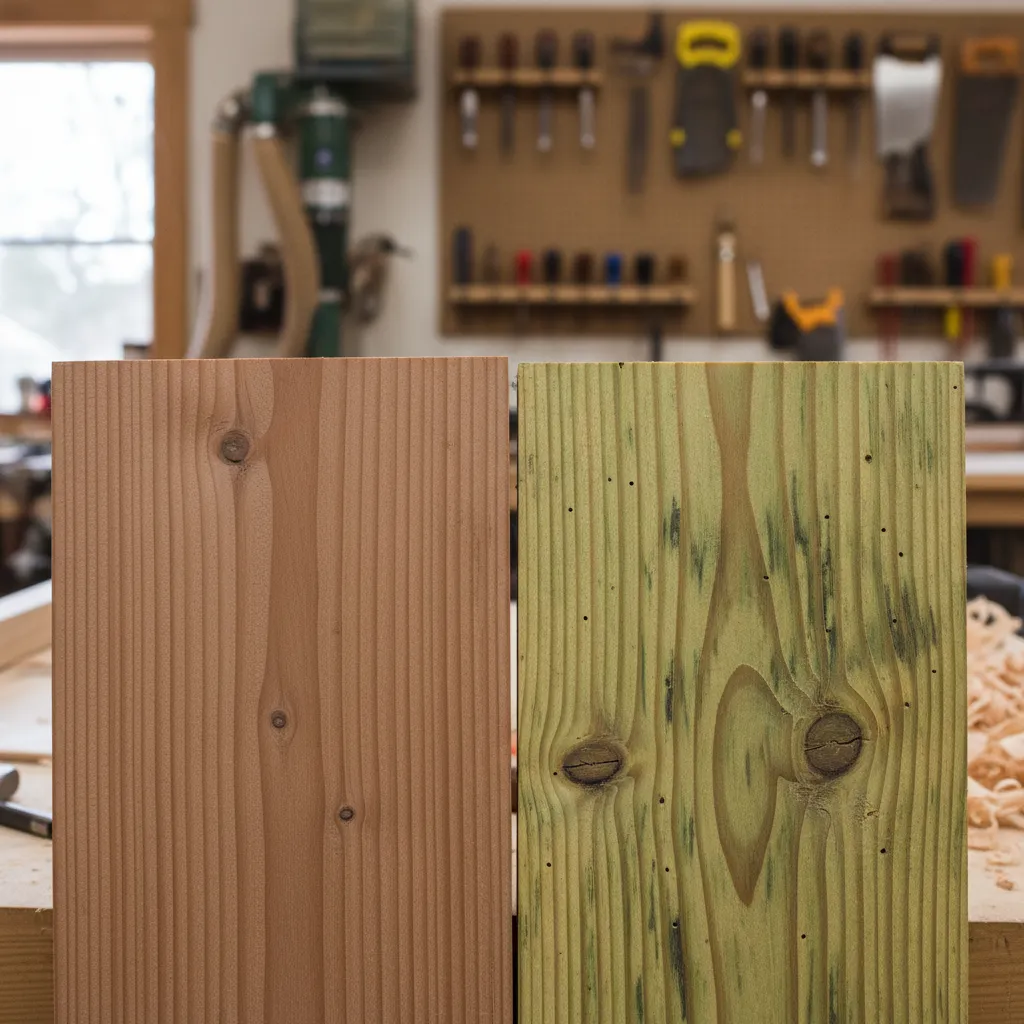
When browsing wooden gazebo kits NZ, you will predominantly encounter two material options: Western Red Cedar and Treated Radiata Pine. Understanding the differences is crucial for long-term satisfaction.
Western Red Cedar: The Premium Choice
Cedar is renowned globally for its beauty and natural durability. It contains natural oils (thujaplicins) that act as preservatives, making the wood resistant to decay and insect attacks without chemical treatment.
- Aesthetics: Cedar has a rich, reddish-brown hue that silvers gracefully over time if left untreated. It is dimensionally stable, meaning it is less likely to warp, twist, or check (crack) compared to other softwoods.
- Insulation: It has excellent thermal properties, staying cooler in the summer and warmer in the winter, making it ideal for enclosed or semi-enclosed gazebos.
- Cost: It is the more expensive option, often commanding a premium price due to being imported and highly sought after.
Treated Radiata Pine: The Kiwi Standard
Radiata Pine is the backbone of the New Zealand construction industry. When properly treated, it is an incredibly durable and cost-effective material.
- Treatment Levels: For outdoor structures like gazebos, timber should be treated to at least H3.2 (for wood exposed to weather but not in ground contact) or H4 (for ground contact posts). This chemical treatment protects against rot and termites.
- Versatility: Pine is easy to stain or paint, allowing you to match the gazebo to your house colour scheme.
- Durability: While not as dimensionally stable as Cedar, modern drying and treatment processes have made Pine a reliable long-term option. It is significantly cheaper than Cedar, making it accessible for a wider range of budgets.
What Is Included in a Standard Kitset?
A major advantage of buying wooden gazebo kits NZ is the all-inclusive nature of the package. However, it is vital to check the manifest before purchase.
Structural Components
The core of the kit includes pre-cut and often pre-drilled timber posts, beams, rafters, and bracing. High-end kits may feature mortise and tenon joinery for easier assembly and superior strength.
Roofing Materials
Roofing options vary significantly:
- Asphalt Shingles: Common on Cedar gazebos, providing a classic look and excellent waterproofing.
- Colorsteel: A favorite in NZ, matching the roofing of many residential homes. It is durable and low maintenance.
- Timber Sarking: Wooden boards that form the ceiling, visible from the inside, adding to the aesthetic appeal.
Hardware and Fixings
Expect to find all necessary screws, bolts, nails, and brackets. Quality kits provide stainless steel or galvanized hardware to prevent rust, which is essential in NZ’s coastal environments.
Instructions and Support
Comprehensive assembly manuals are standard. Many top NZ suppliers now provide video tutorials or QR codes linking to step-by-step digital guides.
Assembly Difficulty Levels and Requirements
Is a wooden gazebo kit a genuine DIY project? The answer depends on the complexity of the kit and your experience level.
Novice to Intermediate DIY
Most rectangular or square gazebos designed for the residential market can be assembled by two able-bodied adults with basic DIY skills. If you can operate a drill, a level, and a tape measure, you can likely assemble a standard kit.
Time Estimate: A standard 3x3m gazebo usually takes a weekend (16-20 man-hours) to assemble.
Advanced DIY or Professional Install
Octagonal or hexagonal gazebos involve more complex roof framing. While the pieces are pre-cut, aligning the central hub and rafters requires precision. Large structures (over 20sqm) or those requiring concrete slab foundations may necessitate professional assistance.

Tools You Will Need
- Cordless Drill/Driver with various bits
- Socket set (for structural bolts)
- Spirit Level (essential for ensuring posts are plumb)
- Step ladders (at least two)
- Rubber Mallet
- Tape Measure
- Safety Gear (gloves, glasses)
Popular Designs for Kiwi Backyards
When selecting from wooden gazebo kits NZ, consider the architectural style of your home and the intended use of the space.
The Spa Shelter
Usually a square or rectangular design, often featuring louvred walls or trellis panels for privacy. These are designed to fit standard spa pool dimensions and often include skylights to allow for stargazing while soaking.
The Alfresco Dining Hub
Larger rectangular designs (e.g., 3m x 4m or 4m x 6m) accommodate dining tables and BBQs. These often feature open sides to maximize flow but have a solid roof to protect against unexpected rain showers.
The Garden Rotunda
Octagonal shapes are traditional and serve as a visual anchor in a garden. They are perfect for reading nooks or morning tea spots, offering 360-degree views of the landscaping.
Maintenance of Timber Gazebos
To ensure your investment lasts decades, regular maintenance is required. New Zealand’s UV index is harsh on timber, causing it to grey and crack if neglected.
Staining and Oiling
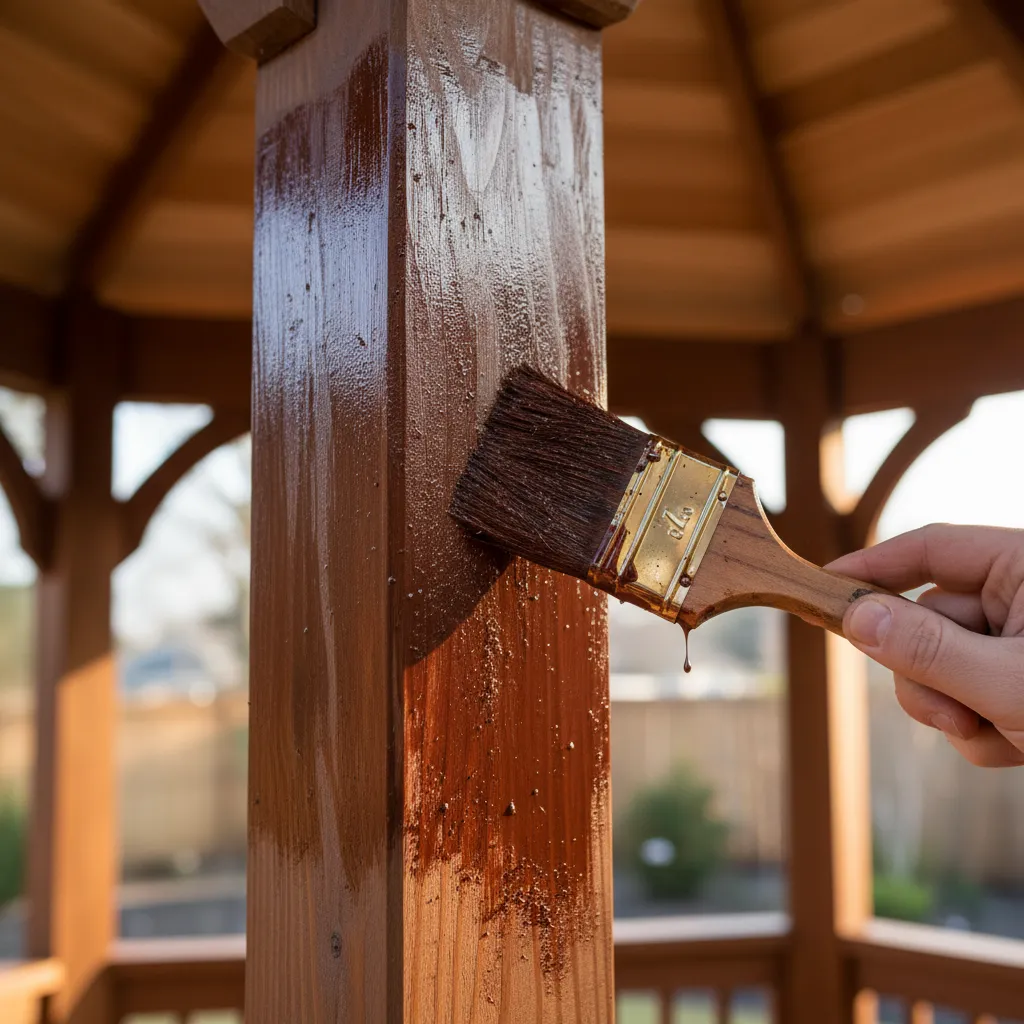
Cedar: Should be oiled immediately after assembly (unless pre-finished) to retain its colour. Use a deep-penetrating oil specifically designed for Cedar. Re-coat every 1-2 years depending on exposure.
Pine: If you choose to stain pine, use a high-quality exterior wood stain. Paint is also a great option for pine, offering a longer interval between maintenance (often 5-8 years).
Cleaning and Mould Removal
In humid areas, mould and lichen can grow on the timber, particularly on the south side. Wash the gazebo annually with a soft-bristle brush and a mild timber cleaner. Avoid high-pressure water blasting, as this can damage the wood fibres and strip away natural oils.
Hardware Checks
As timber expands and contracts with the seasons, bolts can loosen. Perform a structural check annually to tighten any nuts and bolts, ensuring the frame remains rigid.
Building Consents and Regulations
Before ordering your kit, it is critical to understand the legal requirements. In New Zealand, recent changes to the Building Act have made it easier to build small structures.
Exemptions for Structures Under 30sqm
Generally, single-storey detached buildings (including gazebos) exceeding 10sqm but not exceeding 30sqm floor area may not require a building consent if:
- The design is carried out or reviewed by a Chartered Professional Engineer; OR
- The building is constructed using lightweight building products (like many kitsets) in accordance with the manufacturer’s specifications.
Important Note: Even if a building consent is not required, the structure must still comply with the Building Code. This includes structural performance and stormwater management.
Boundary Rules
You must adhere to your local council’s District Plan regarding boundary setbacks and site coverage. Placing a gazebo too close to a neighbour’s fence or exceeding the allowable site coverage can lead to enforcement action. Always call your local council or check their website before starting construction.
People Also Ask
Do I need a permit for a gazebo in NZ?
In many cases, no. Under current NZ building exemptions, detached structures up to 30 square metres often do not require a building consent, provided they meet specific criteria regarding materials and placement. However, you must always comply with local planning rules (District Plan) regarding boundary setbacks and site coverage. Always check with your local council first.
How long does a treated pine gazebo last?
A treated pine gazebo (H3.2 or H4 treatment) can last 20 to 30 years or more in New Zealand conditions if properly maintained. Regular cleaning, staining, or painting helps protect the wood from UV damage and moisture, significantly extending its lifespan.
Can I assemble a gazebo kit by myself?
While it is physically possible for small structures, it is not recommended. Most wooden gazebo kits require at least two people for safe assembly—one to hold posts or beams in place while the other secures them. Roof assembly, in particular, is much safer and easier with a helper.
What is the best base for a wooden gazebo?
A concrete pad is the most stable and durable base. However, you can also install gazebos on paved surfaces, timber decks, or compacted gravel with concrete footings for the posts. Ensuring the ground is level is the most critical step for a successful build.
Is Cedar better than Pine for gazebos?
Cedar is generally considered superior due to its natural resistance to rot, dimensional stability (less warping), and premium aesthetic. However, it is significantly more expensive. Treated pine is a practical, durable, and budget-friendly alternative that performs very well when maintained.
Can I move a gazebo kit after it is built?
It is difficult but possible. Because kitsets are bolted together, they can theoretically be dismantled and reassembled. However, moving a fully assembled gazebo is risky and can compromise the structural integrity. If you plan to move, dismantling it carefully is the best approach.