
A retractable pergola roof in NZ is a motorized or manual outdoor covering system designed to withstand New Zealand’s variable climate. Typically constructed from high-tension waterproof PVC or acrylic canvas, these roofs provide flexible weather protection, allowing homeowners to retract the cover for full sunshine or extend it for complete shelter from rain and UV rays.
For New Zealand homeowners and business owners alike, the concept of “indoor-outdoor flow” is more than a design trend—it is a lifestyle essential. However, the unpredictability of Kiwi weather, ranging from harsh UV radiation to sudden downpours and high winds, often dictates how often we can utilize our outdoor spaces. This is where the retractable pergola roof NZ market offers a transformative solution.
Unlike fixed roofs that permanently block light, or traditional umbrellas that offer limited coverage, retractable canvas systems provide the ultimate flexibility. They bridge the gap between an open-air deck and a fully enclosed conservatory, adding value to properties and extending the functional footprint of a home or hospitality venue.
The Aesthetic Appeal of Fabric Retractable Roofs
When considering a retractable pergola roof in NZ, aesthetics play a pivotal role in the decision-making process. While hard-structure roofing (like polycarbonate or aluminium) serves a functional purpose, it often lacks the softness and sophistication that fabric brings to an architectural design.
Softening the Hard Lines of Modern Architecture
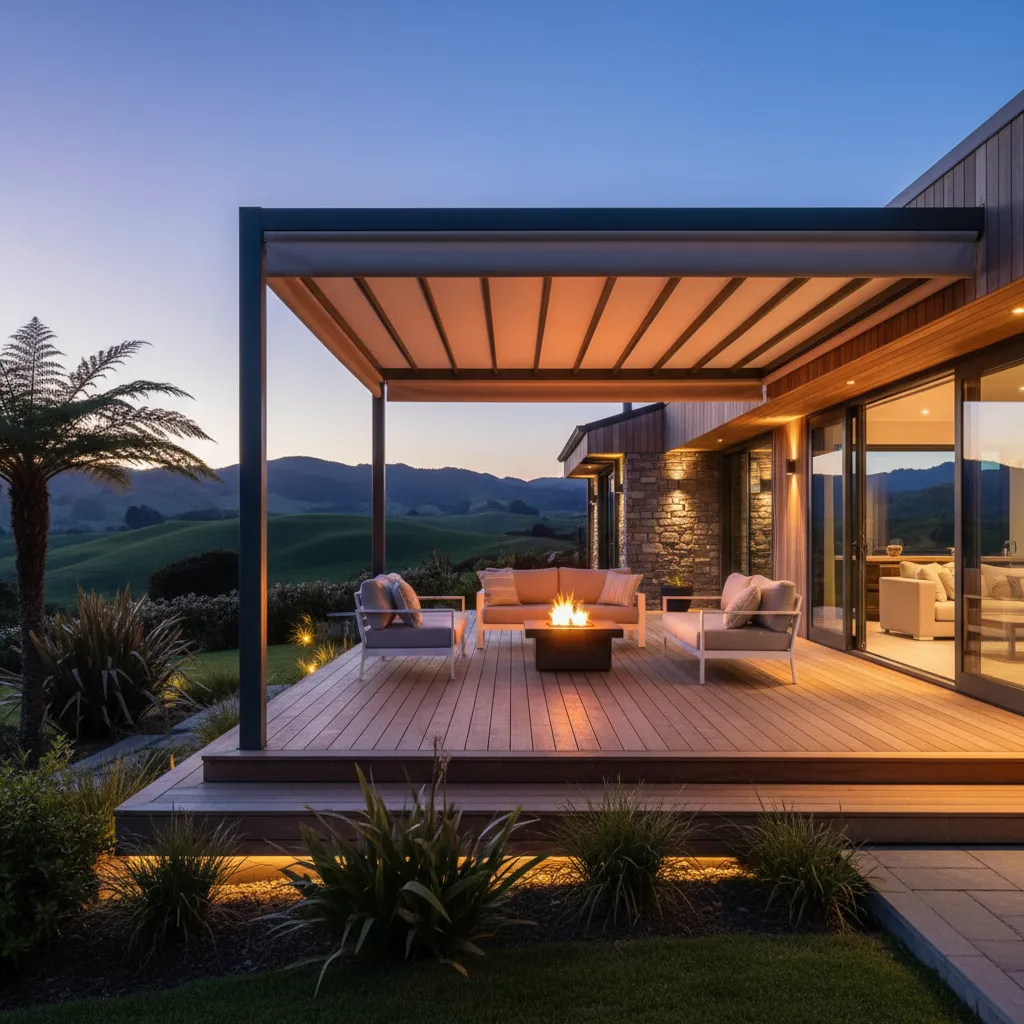
Modern New Zealand architecture often features clean lines, concrete, and glass. A fabric roof introduces a textural contrast that softens these hard edges. When extended, the canvas creates a ceiling that feels more like an interior furnishing than an industrial exterior add-on. The gentle curve or slope of the fabric, often supported by subtle aluminium cross-beams, creates a sense of intimacy and warmth that hard materials struggle to replicate.
Customization and Colour Palettes
One of the primary advantages of canvas systems is the sheer range of customization available. Manufacturers like Serge Ferrari or Dickson, whose fabrics are commonly used in high-end NZ systems, offer extensive colour palettes.
- Neutral Tones: Greys, charcoals, and whites remain the most popular in NZ, blending seamlessly with modern weatherboard or cedar cladding.
- Bold Statements: Commercial venues often opt for branded colours or bold stripes to attract attention.
- Translucency Levels: Unlike solid metal, canvas options vary in opacity. You can choose a block-out fabric for maximum cooling or a translucent fabric that allows filtered light to illuminate the space even when the roof is closed.
Waterproof Canvas Options for NZ Climates
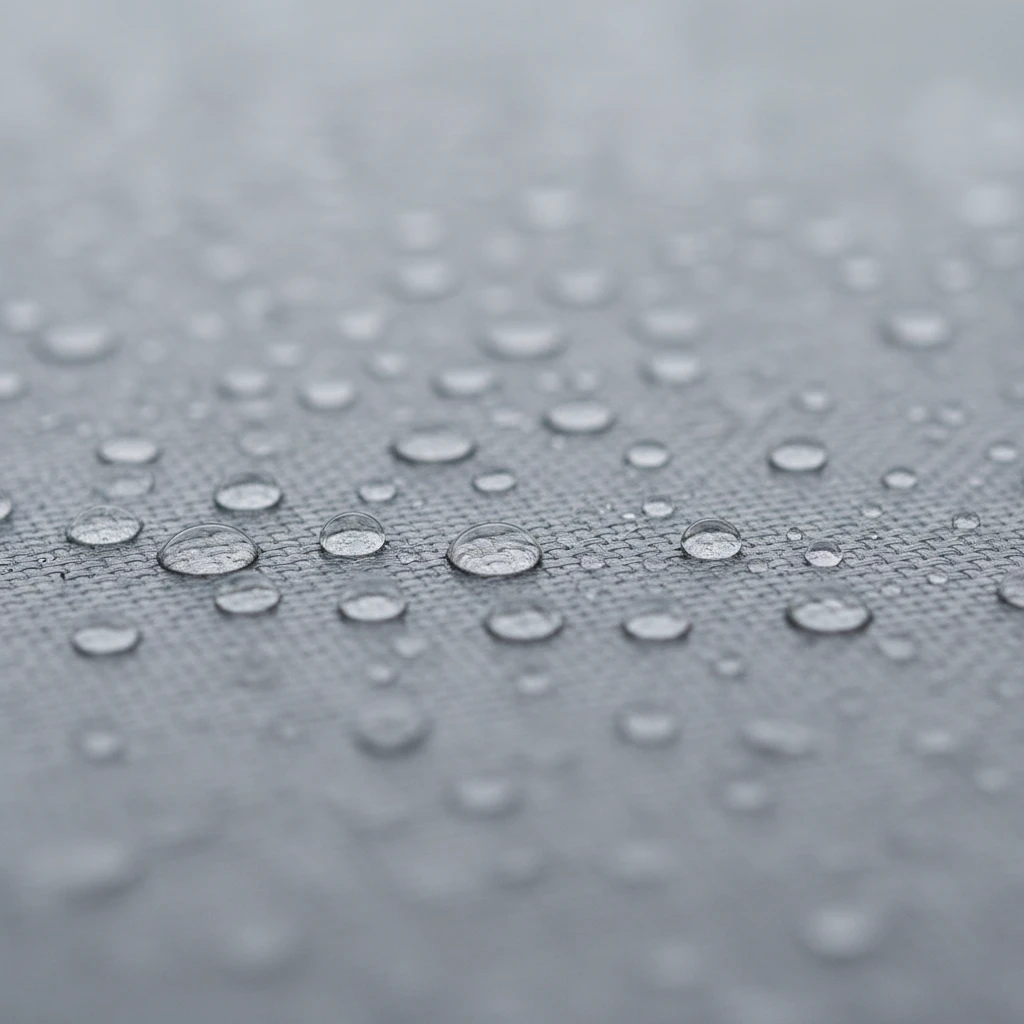
A common misconception is that fabric roofs are merely sunshades. While this is true for standard shade sails, a high-quality retractable pergola roof NZ system is engineered for rain protection. However, understanding the distinction between water-resistant and waterproof is critical for Kiwi consumers.
Acrylic Canvas vs. PVC Tension Systems
There are generally two classes of fabric used in these systems:
- Solution-Dyed Acrylic (Water-Resistant): These fabrics are treated with a coating (often Teflon or similar) to repel water. They are breathable and look very much like traditional fabric. They are suitable for light to moderate rain but requires a steeper pitch to ensure runoff. If water pools, it can eventually permeate the weave.
- Architectural PVC (100% Waterproof): This is the gold standard for all-weather retractable roofs in NZ. These textiles are composite materials (typically a polyester base cloth coated with PVC). They are completely impermeable to water. Even if water pools temporarily, it will not drip through.
Integrated Drainage Management
To be truly effective in a New Zealand downpour, the fabric is only half the equation. The engineering of the pergola structure must handle the water volume. Premium retractable roof systems incorporate integrated guttering systems within the beams and posts.
When the roof is tensioned, the fabric is slightly angled to direct water into side channels (gutters), which then funnel the water down the hollow legs of the pergola and out onto the ground or into a storm drain. This prevents the “waterfall effect” off the sides of the pergola, keeping the area directly underneath and around the perimeter dry.
Understanding Wind Limitations and Safety
New Zealand is a windy country. From the blustery gales of Wellington to the coastal breezes of Auckland, wind load is the primary structural challenge for any outdoor canopy. When searching for a “retractable pergola roof NZ,” you must pay close attention to the Beaufort Wind Scale rating of the product.
The Beaufort Scale and Retractable Roofs
Most high-end retractable roof systems are rated up to Beaufort 6 (approx. 40-50 km/h) or Beaufort 7 (50-60 km/h).
- Folding Arm Awnings: These are supported only at the wall and are highly susceptible to wind uplift. They generally should be retracted in winds over 25-30 km/h.
- Retractable Pergola Roofs (Track Systems): Because the fabric runs along guided tracks supported by posts at the front, they are significantly more stable. The fabric is held under tension, preventing it from flapping violently.
Automated Safety Sensors
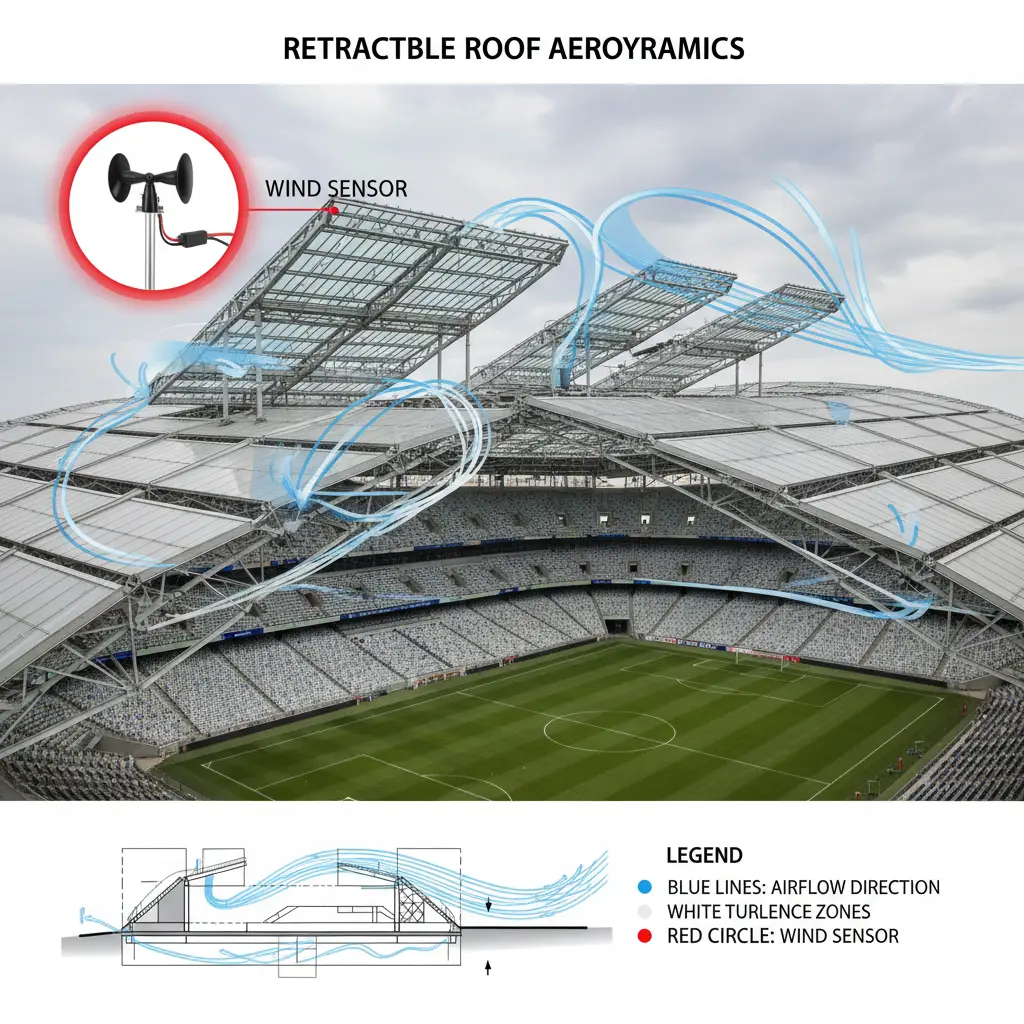
To protect your investment, motorisation is not just a luxury; it is a safety feature. Modern systems equipped with Somfy or similar automation technology include wind sensors (anemometers).
How it works: The sensor continuously monitors wind vibration or speed. If the wind exceeds a pre-set safety threshold, the system automatically retracts the roof into its protective cassette or housing. This ensures that if a sudden southerly storm hits while you are away from home, your roof will protect itself from damage.
Durability of Mechanisms and Motors
The fabric may be the visible face of the product, but the longevity of a retractable roof is dictated by the quality of its internal mechanisms. In the corrosive, salt-laden air of New Zealand’s coastal environments, standard steel components will rust rapidly.
Belt Drives vs. Chain Drives
The movement of the roof is driven by a belt or chain system hidden inside the guide tracks.
- Timing Belts: Often reinforced with steel or Kevlar strands. These are quiet, smooth, and require no lubrication. They are resistant to salt corrosion and stretching, making them ideal for coastal NZ homes.
- Chain Drives: Extremely strong but can be noisier and may require more maintenance (lubrication) to prevent seizing or rusting over time.
Motor Quality
The standard for the NZ market is European motor technology, primarily French (Somfy) or German brands. These motors are sealed units designed for outdoor exposure. Cheaper imported motors often lack the torque required to keep heavy PVC skins under tight tension, leading to sagging fabric where water can pool. Always verify the warranty on the motor—a 5-year warranty is the industry benchmark.
Powder Coating Standards
The aluminium frame must be powder coated to a high standard. Look for “Dulux Duralloy” or marine-grade powder coating if you live within 5km of the sea. This treatment prevents the aluminium from oxidizing and pitting, ensuring the structure looks new for years.
Comparison: Canvas Roofs vs. Aluminium Louvres
Many customers searching for “retractable pergola roof NZ” are torn between canvas systems and opening aluminium louvre roofs. Here is a quick comparison to help guide your choice.
| Feature | Retractable Canvas Roof | Aluminium Louvre Roof |
|---|---|---|
| Sky View | Retracts fully for 100% open sky view. | Louvres tilt but the frame/blades remain overhead. |
| Rain Noise | Quieter (drumming sound is dampened). | Can be loud (metallic pinging) during heavy rain. |
| Heat Retention | Fabric does not radiate heat downwards. | Metal can heat up and radiate warmth (good in winter, bad in summer). |
| Cost | Generally 20-30% cheaper than louvres. | Premium price point. |
| Wind Rating | Moderate (must retract in high gales). | High (can withstand storms when closed). |
Installation and Maintenance in New Zealand
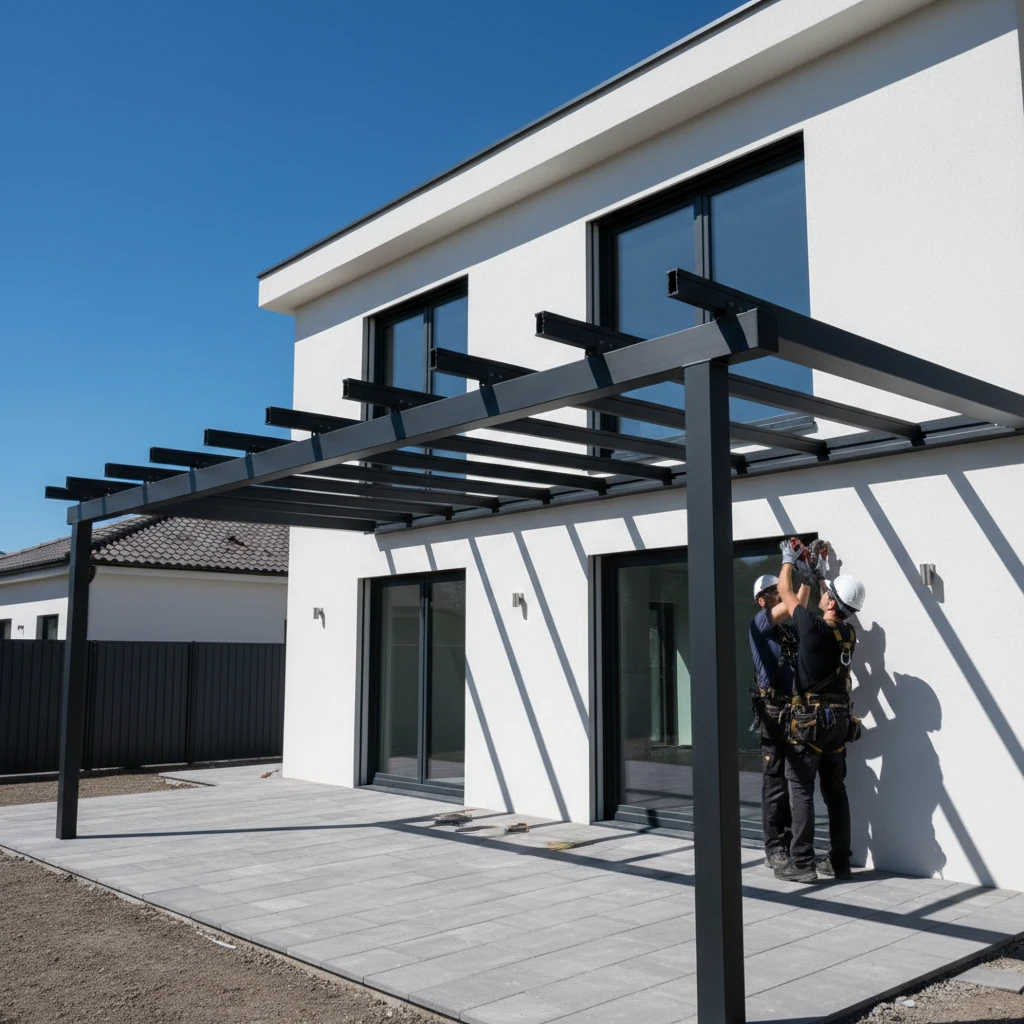
Installing a retractable roof is a precision structural task. The tracks must be perfectly parallel to ensure smooth operation. In New Zealand, if the footprint of the structure exceeds 20 (sometimes 30) square meters, or if it is attached to the house in a way that affects weathertightness, a building consent may be required. However, many retractable roofs fall under the “exempt building work” category (Schedule 1 of the Building Act), specifically regarding awnings and pergolas, provided they meet certain criteria.
Maintenance for Longevity
To maximize the lifespan of your roof in NZ conditions:
- Cleaning: Wash the fabric annually with a soft brush and mild soapy water to remove salt deposits and bird droppings. This prevents mould growth, which feeds on organic dirt rather than the synthetic fabric itself.
- Lubrication: If your system uses a chain drive, lubricate it annually.
- Retraction: Never leave the roof extended during snow (in the South Island) or extreme storms.
Frequently Asked Questions
How much does a retractable pergola roof cost in NZ?
Costs vary significantly based on size, automation, and fabric quality. Generally, a high-quality motorized retractable roof system in NZ starts from approximately $6,000 for smaller units and can exceed $20,000 for large, architectural systems with integrated lighting and side screens.
Can retractable canvas roofs withstand heavy rain?
Yes, provided you choose a system designed for rain. Look for “architectural PVC” fabrics and systems with tensioned tracks and integrated gutters. Standard folding arm awnings are for sun only, but track-guided pergola roofs are designed to be 100% waterproof.
Do I need a permit for a pergola roof in NZ?
In many cases, no. Under Schedule 1 of the Building Act, awnings and pergolas up to 20sqm (on ground floor) or 30sqm (detached) often do not require a consent. However, you must always check with your local council and ensure the installation complies with the building code regarding stormwater disposal.
How long does the canvas fabric last?
High-quality acrylic canvas typically lasts 10-12 years, while architectural PVC can last 15+ years. The lifespan depends heavily on UV exposure and maintenance. Most reputable NZ suppliers offer a 5 to 10-year warranty on the fabric.
Can I add heating and lighting to the system?
Absolutely. Most commercial-grade systems allow for LED lighting strips to be integrated into the cross-beams. Infrared outdoor heaters can also be mounted to the supporting frame to create a warm winter space.
What happens if the power goes out?
If your system is motorized, it will not operate during a power cut unless you have a battery backup. However, many motors have a manual override crank handle option that allows you to close or open the roof manually in an emergency.