
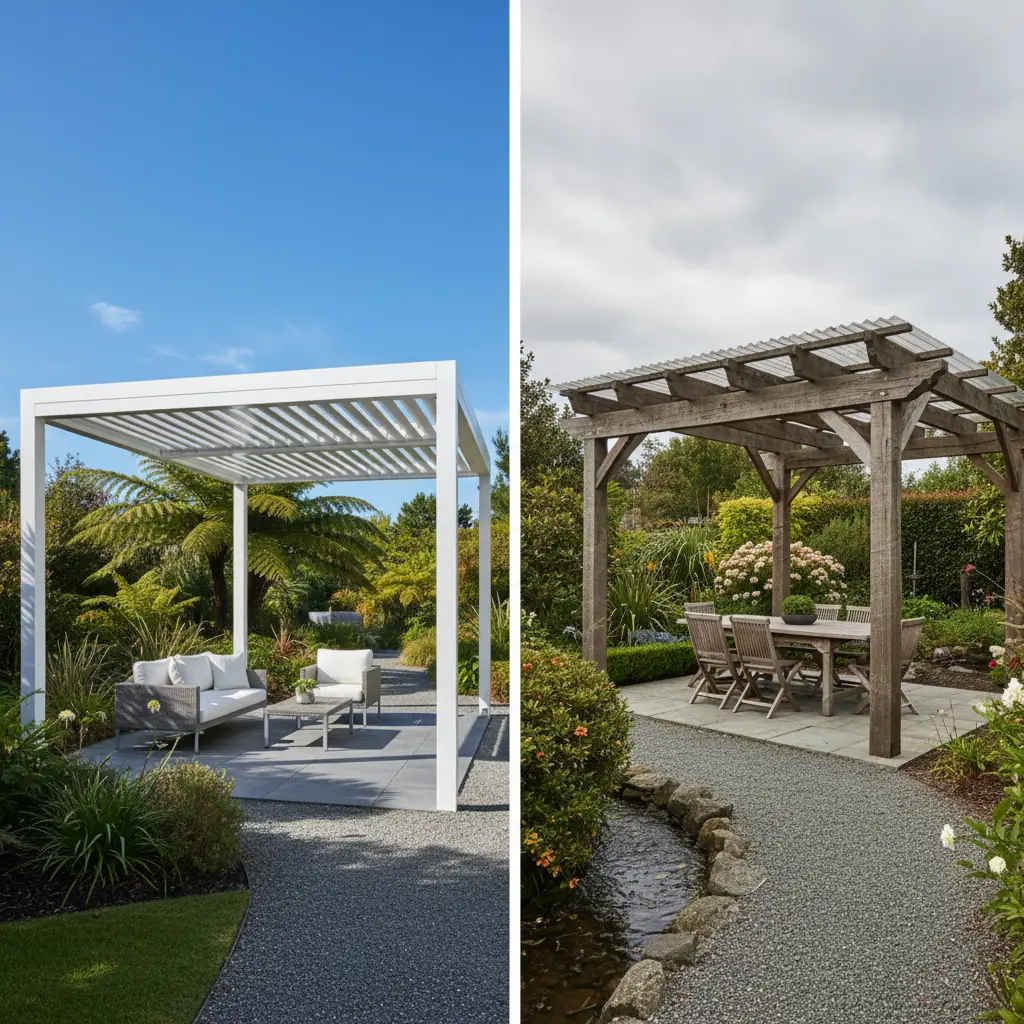
The primary difference between a louvered and a fixed pergola lies in adaptability. A louvered pergola features adjustable roof slats that rotate to control sunlight, ventilation, and rain protection, making it ideal for variable climates. In contrast, a fixed pergola utilizes a static, solid roof (typically glass or polycarbonate) that offers continuous shelter but lacks the ability to regulate airflow or heat buildup.
The Core Differences: Structural Overview
When planning an outdoor living space in New Zealand, the roof structure is the single most critical element. It dictates how often you can use the space, regardless of the famously unpredictable weather. The debate of louvered vs fixed pergola systems comes down to a choice between dynamic control and static reliability.
A fixed roof pergola is a permanent extension of your home’s shelter. Constructed typically from polycarbonate sheets, toughened glass, or lined roofing materials, it creates a static barrier against the elements. It is a “set and forget” solution that ensures the furniture underneath remains dry 100% of the time, provided the installation is sound.
Conversely, an opening louvered roof system consists of extruded aluminium blades (louvres) that rotate up to 180 degrees. This system is mechanical, often motorized, and allows the homeowner to manipulate the environment. You can angle the blades to catch the winter sun, close them completely to block rain, or tilt them slightly to create a cooling breeze while maintaining shade.
Light Control & Flexibility
The most significant advantage of a louvered system is the ability to manage solar gain. In New Zealand, where UV radiation levels are extreme, the ability to filter light is not just a comfort feature; it is a health consideration.
The Louvered Advantage: Following the Sun
With a louvered roof, you have active control over natural light. During the colder months, you can open the blades fully to allow direct sunlight to flood your patio and warm the adjacent interior rooms. This passive solar heating can significantly improve the energy efficiency of your home.
In the height of summer, the blades can be angled to block the direct sun while still allowing ambient light to enter. This creates a shaded sanctuary without the “cave-like” darkness that can sometimes occur with solid opaque roofs.
The Fixed Roof Reality: Static Shading
Fixed roofs rely on the material properties for light control. Clear glass or polycarbonate offers maximum light but offers zero protection from solar heat gain unless treated. Tinted or opaque materials block heat effectively but permanently darken the space. Once a fixed roof is installed, the light levels are constant. You cannot adjust for the time of day or season without adding secondary internal blinds or shade sails underneath the structure.
Ventilation and Airflow: The Heat Factor
Ventilation is where the louvered vs fixed pergola comparison shows the starkest contrast. Heat accumulation is a common complaint with outdoor structures, particularly those attached to the northern side of a property.
How Louvered Roofs Create Airflow:
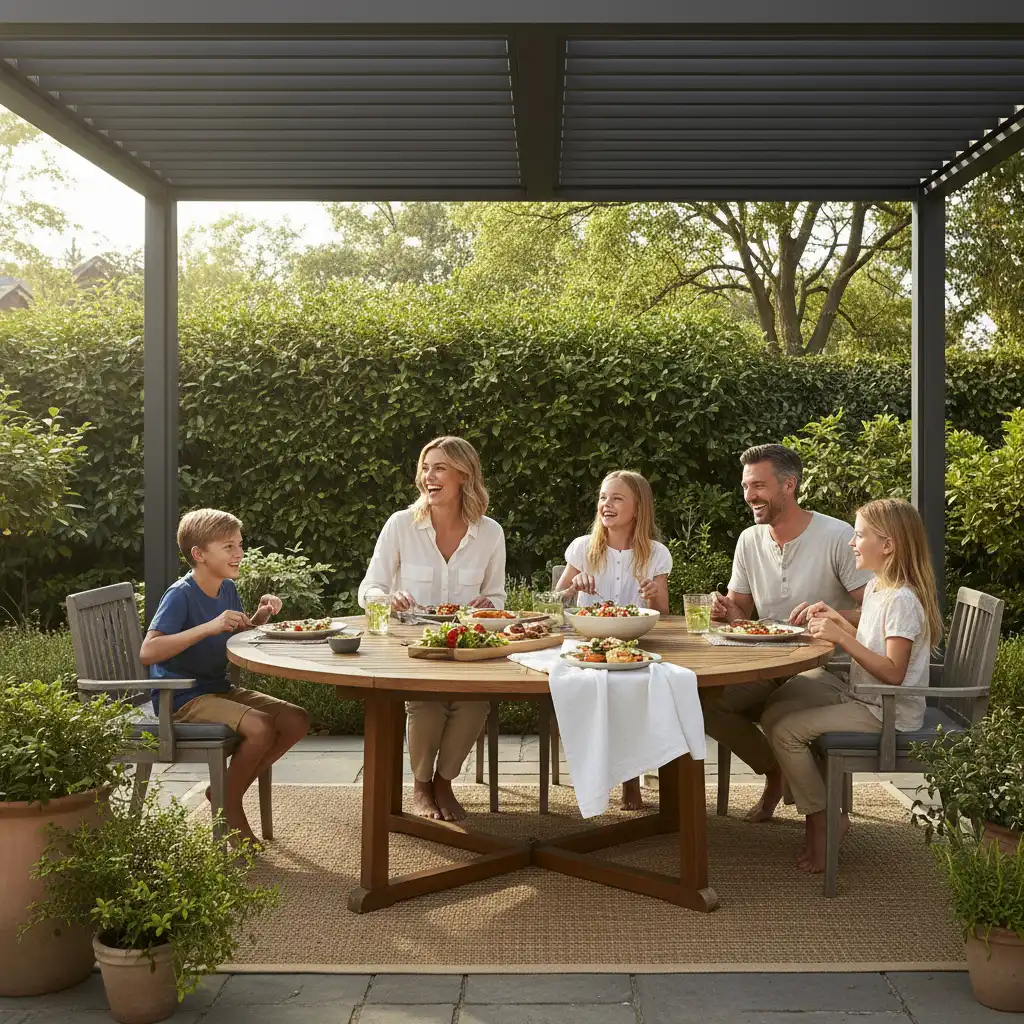
Louvered systems utilize the “chimney effect.” When the blades are slightly opened, hot air rises and escapes through the gaps in the roof. Simultaneously, cooler air is drawn in from the sides. This natural convection current can lower the temperature beneath the pergola by several degrees compared to the ambient temperature. It prevents the space from becoming stiflingly hot, even on the sunniest afternoons.
The Greenhouse Effect in Fixed Roofs:
Fixed roofs, particularly those made of clear polycarbonate or glass, can trap heat. If the sides of the pergola are enclosed with screens or glass sliding doors, the space can quickly become a greenhouse. While this is advantageous in winter, it can render the space unusable in mid-summer without added mechanical ventilation (fans) or expensive heat-reflective coatings on the roofing material.
Waterproofing and Weather Resistance
A common misconception is that louvered roofs are not fully waterproof. Modern engineering has largely solved this issue, but the mechanics differ significantly from fixed roofs.
Are Louvered Pergolas Waterproof?
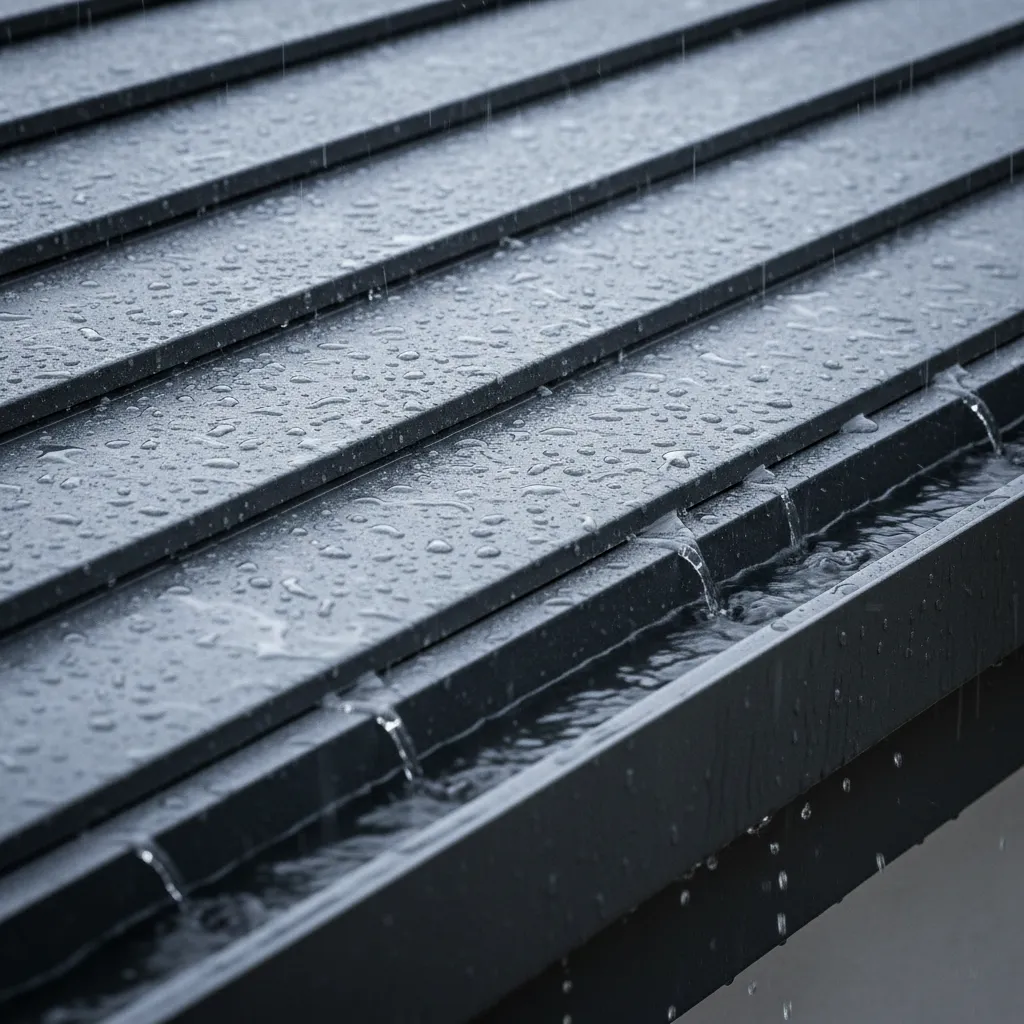
High-quality louvered systems are designed with interlocking blades. When closed, each blade rests on the next, creating a seal. Furthermore, the blades are designed with internal channels. When it rains, water flows into the blade’s channel, is directed to the perimeter guttering system, and then down concealed drainpipes in the posts. However, during torrential storms with high horizontal winds, a fine mist might occasionally penetrate some systems, though this is rare in premium models.
Fixed Roof Reliability
A fixed roof offers superior, simplified waterproofing. Because it is a solid sheet with fewer seams and no moving parts, the risk of water ingress is lower. For homeowners who intend to store sensitive electronics (like outdoor TVs) or non-outdoor rated furniture permanently in the space, a fixed roof provides a slightly higher tier of peace of mind regarding absolute dryness.
Maintenance and Durability Requirements
Longevity and upkeep are critical factors in the louvered vs fixed pergola decision matrix.
Louvered Roof Maintenance:
Louvered systems are machines. They have moving parts, motors, and bearings. While aluminium is rust-resistant, the mechanism requires periodic checks.
- Cleaning: You must clean the blades regularly to prevent salt build-up (especially in coastal NZ areas) and ensure the gutters remain free of leaves. If leaves clog the internal gutters, the waterproofing fails.
- Motor Care: Motors generally last 5-10 years and may eventually require replacement.
Fixed Roof Maintenance:
Fixed roofs are generally lower maintenance regarding mechanics, but higher maintenance regarding aesthetics.
- Cleaning: Polycarbonate and glass show dirt, bird droppings, and moss growth very clearly. They require regular washing from above (which can be dangerous/difficult) to maintain clarity and appearance.
- Material Degradation: Cheaper polycarbonate can yellow or become brittle over time due to UV exposure, whereas powder-coated aluminium louvres retain their finish for decades.
Cost Comparison: Investment vs. Value
Budget is often the deciding factor. Generally speaking, louvered roofs are a premium product.
Louvered Systems:
Expect to pay a premium. The cost includes the extruded aluminium, the motorization technology, rain sensors (which close the roof automatically when rain is detected), and complex installation. However, they typically add more value to the property’s resale price due to their “luxury” perception and high functionality.
Fixed Systems:
Fixed pergolas are usually more cost-effective. Timber framed pergolas with polycarbonate roofing are the entry-level option. High-end architectural glass roofs can rival louvered systems in price, but generally, a fixed structure will cost 30% to 50% less than a fully automated louvered equivalent.
Verdict: Which System Suits Your Home?
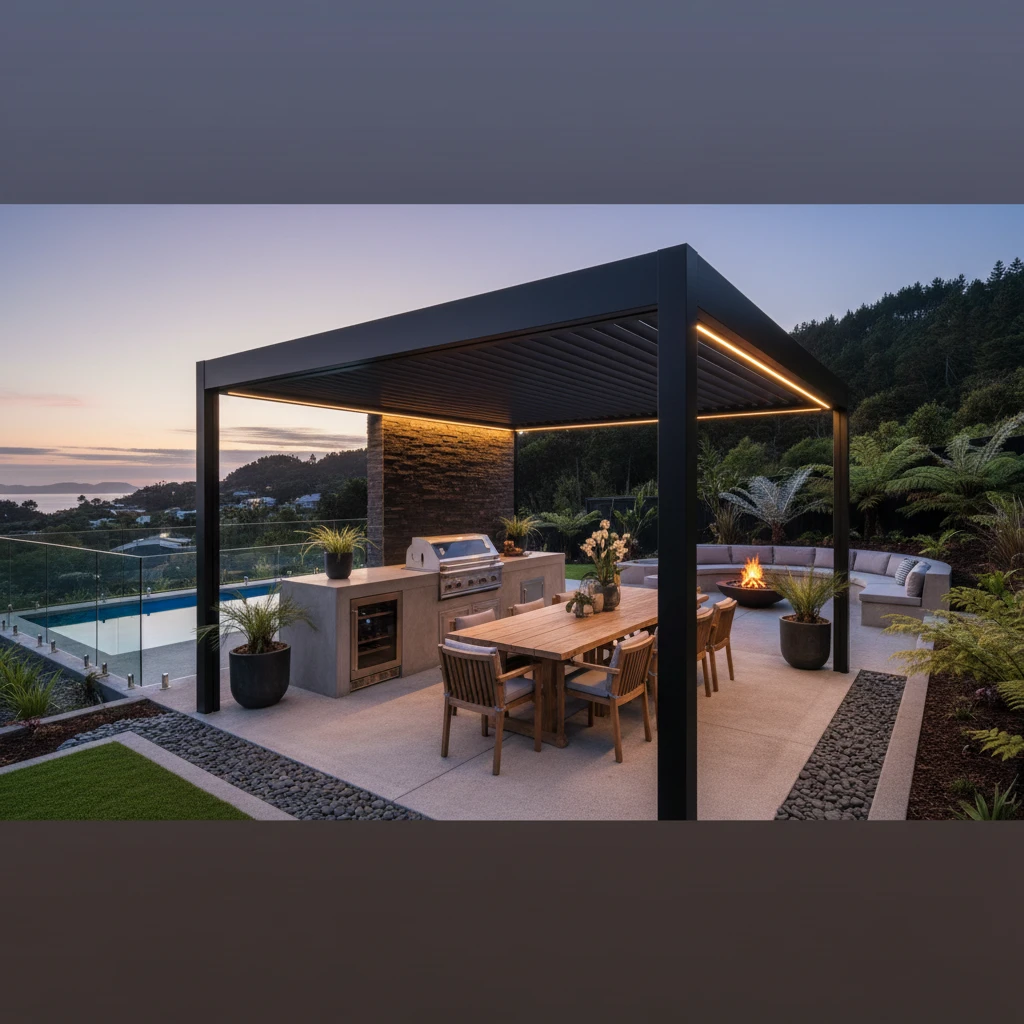
The choice between a louvered vs fixed pergola ultimately depends on your lifestyle and your property’s orientation.
Choose a Louvered Roof if:
- You want complete control over sun and shade.
- Your outdoor area faces North or West and gets intense afternoon sun.
- You want to maximize ventilation and avoid heat traps.
- You appreciate modern aesthetics and smart-home integration.
Choose a Fixed Roof if:
- You are working with a stricter budget.
- You want maximum light transmission at all times (using clear glass).
- You prefer a traditional aesthetic (e.g., exposed timber rafters).
- You want a zero-maintenance mechanism (no moving parts).
Both options significantly enhance your outdoor living experience, expanding the usable footprint of your home and allowing you to enjoy the outdoors regardless of the forecast.
People Also Ask
Do louvered roofs leak in heavy rain?
High-quality modern louvered roofs do not leak. They are designed with interlocking blades and integrated gutter systems that channel water away into downpipes. However, during severe storms with horizontal rain, a fine mist may enter, but they generally provide excellent weather protection.
Is a louvered pergola worth the money?
Yes, for most homeowners, the investment is justified by the versatility. The ability to control temperature and light extends the usability of the outdoor space significantly compared to a fixed roof, effectively adding a new room to the house.
Does a fixed pergola block too much light?
It depends on the roofing material. Clear polycarbonate or glass blocks very little light, but solid roofing or tinted materials will permanently darken the area. This can be a disadvantage in winter when you want natural light to enter your home.
How much wind can a louvered roof withstand?
Engineered louvered systems are designed to withstand high wind zones, often rated for winds up to 120km/h or more when the blades are closed. In New Zealand, reputable installers will ensure the system meets local council wind zone requirements.
Can you attach a louvered pergola to an existing house?
Yes, louvered pergolas can be wall-mounted (attached to the house) or freestanding. Wall-mounting is popular for creating a seamless indoor-outdoor flow, but it requires structural support to handle the weight of the aluminium system.
What is the lifespan of a louvered roof vs fixed roof?
Aluminium louvered roofs are extremely durable and can last 20+ years with proper maintenance. Fixed roofs with polycarbonate sheeting may need the sheets replaced after 10-15 years due to UV degradation, though glass fixed roofs have a very long lifespan.