
A heavy duty gazebo NZ is a reinforced outdoor structure explicitly engineered to withstand New Zealand’s high-wind zones and volatile weather patterns. Unlike standard shelters, these units feature industrial-grade powder-coated aluminum or galvanized steel frames, polycarbonate roofing, and certified anchoring systems capable of resisting wind gusts exceeding 100km/h for permanent, year-round safety.
Understanding NZ Wind Zones and Structural Requirements
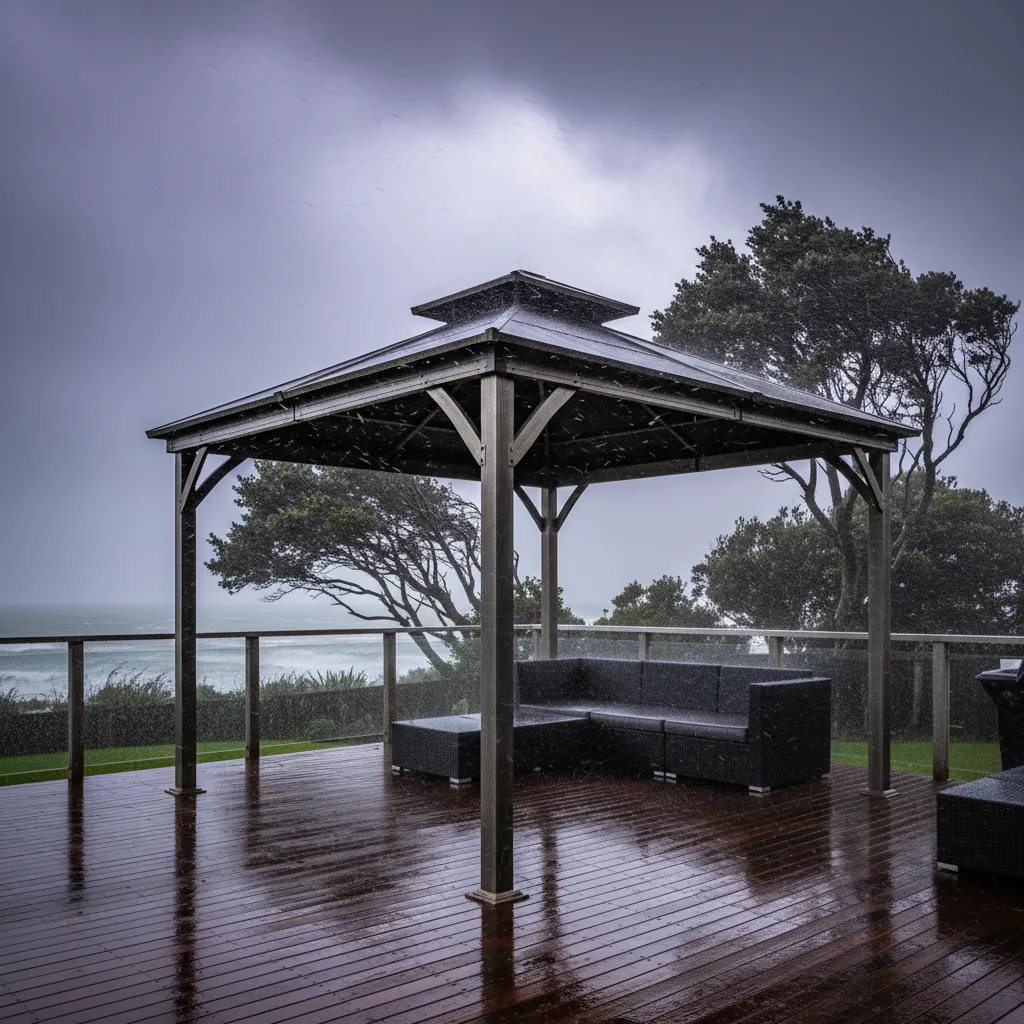
New Zealand is located in the “Roaring Forties,” a belt of strong westerly winds that creates one of the most challenging environments for outdoor structures globally. When searching for a heavy duty gazebo NZ, it is insufficient to look merely for aesthetic appeal; one must understand the aerodynamic stresses the structure will endure. Standard “big box” store gazebos often fail because they are designed for the milder climates of North America or Europe, not the horizontal rain and gale-force gusts common in Auckland, Wellington, or the Canterbury Plains.
In New Zealand, wind zones are classified under NZS 3604. These categories range from Low to Extra High. A truly heavy-duty gazebo must be rated to withstand at least ‘High’ wind zone pressures if it is to remain a permanent fixture. This means the structure is engineered to handle wind speeds that can exceed 140km/h in ultimate limit state design.
The Impact of Topography
The wind rating required for your gazebo depends heavily on your specific location. If your property is located on a ridgeline, a hilltop, or near the coast, the wind speed accelerates as it moves over the land. This is known as the “topographic multiplier.” A heavy-duty gazebo intended for a sheltered suburban garden in Hamilton may not require the same structural rigidity as one installed on a cliff-top in Raglan. Commercial-grade options will often list a specific wind rating (e.g., rated to 120km/h). Always verify that this rating applies to the frame and the roof panels combined.
Anatomy of a Heavy Duty Gazebo: Frame & Materials
To separate a true heavy-duty model from a standard consumer product, you must inspect the materials and engineering of the frame. The longevity of your outdoor investment relies entirely on the quality of the metal and the joinery.
Aluminum vs. Steel: Which is Better for NZ?
For the New Zealand market, powder-coated aluminum is generally the superior choice for permanent structures, particularly given our high salt-spray coastal air. While steel is incredibly strong, it is prone to rust if the galvanization is scratched or compromised. High-end heavy-duty gazebos typically utilize 6063-T5 aluminum alloy. This material offers an exceptional strength-to-weight ratio and is naturally resistant to corrosion.
Look for the following frame specifications:
- Leg Dimensions: The main posts should be at least 100mm x 100mm (4 inches) square. Anything thinner is likely to buckle under lateral wind pressure.
- Wall Thickness: The gauge of the aluminum should be between 1.5mm and 2.5mm. Budget models often use 0.8mm, which is insufficient for NZ conditions.
- Internal Ribbing: The best commercial-grade legs feature internal reinforcement ribs inside the hollow tube to prevent crumpling.
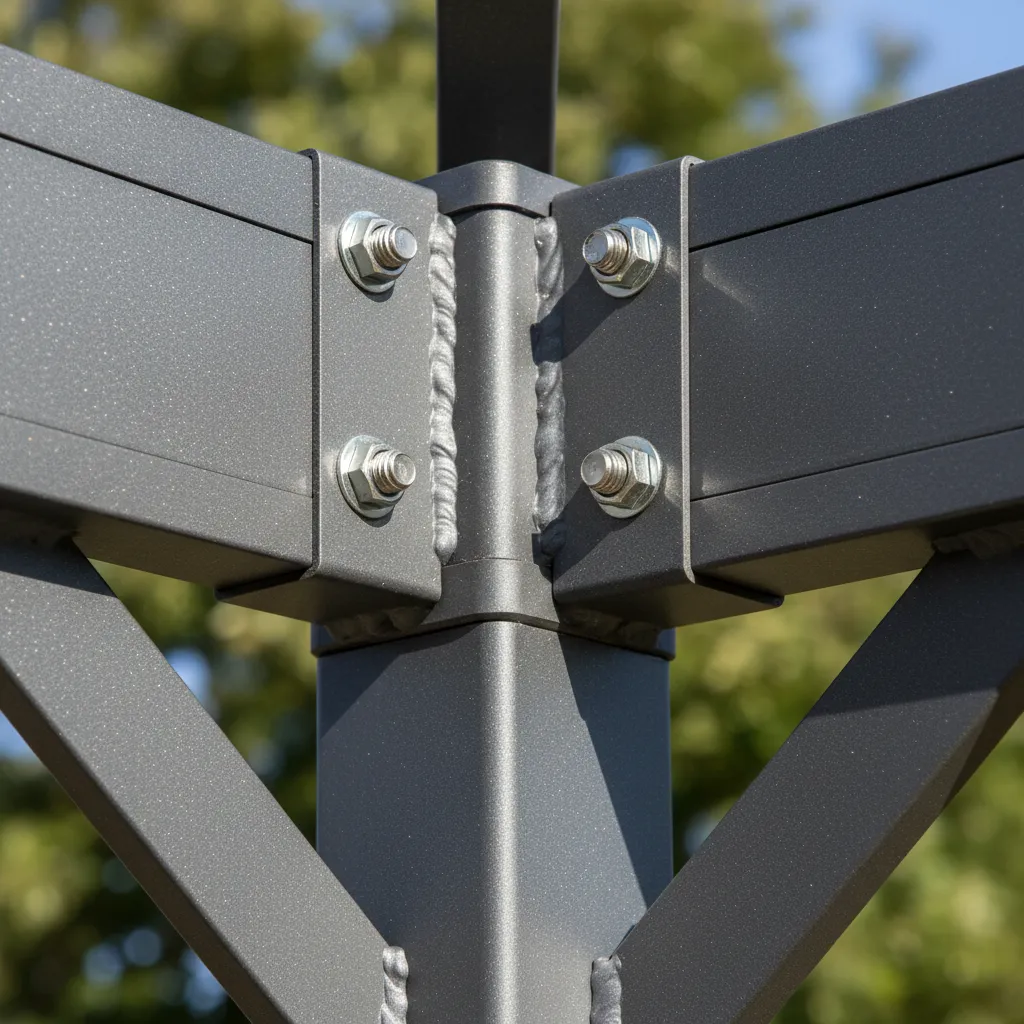
- Connectors: Laser-cut steel connectors that are hot-dip galvanized or stainless steel bolts are non-negotiable to prevent structural failure at the joints.
Roofing Materials: Polycarbonate vs. Retractable Fabric
For a heavy-duty rating, the roof must handle not just wind, but also snow loads (in the South Island) and intense UV radiation. Twin-wall or solid polycarbonate sheets are the industry standard for permanent heavy-duty gazebos. These sheets are virtually unbreakable, block 99% of UV rays, and can support significant weight (often up to 100kg/m² for snow). Unlike fabric canopies, which must be removed in high winds to prevent tearing or acting as a sail that lifts the frame, polycarbonate is fixed permanently and designed to shed wind.
Permanent Hardtop vs. Portable Commercial Gazebos
When sourcing a heavy duty gazebo in NZ, buyers often confuse “commercial grade pop-ups” with “permanent hardtop structures.” Understanding the difference is vital for your intended use.
Permanent Hardtop Gazebos
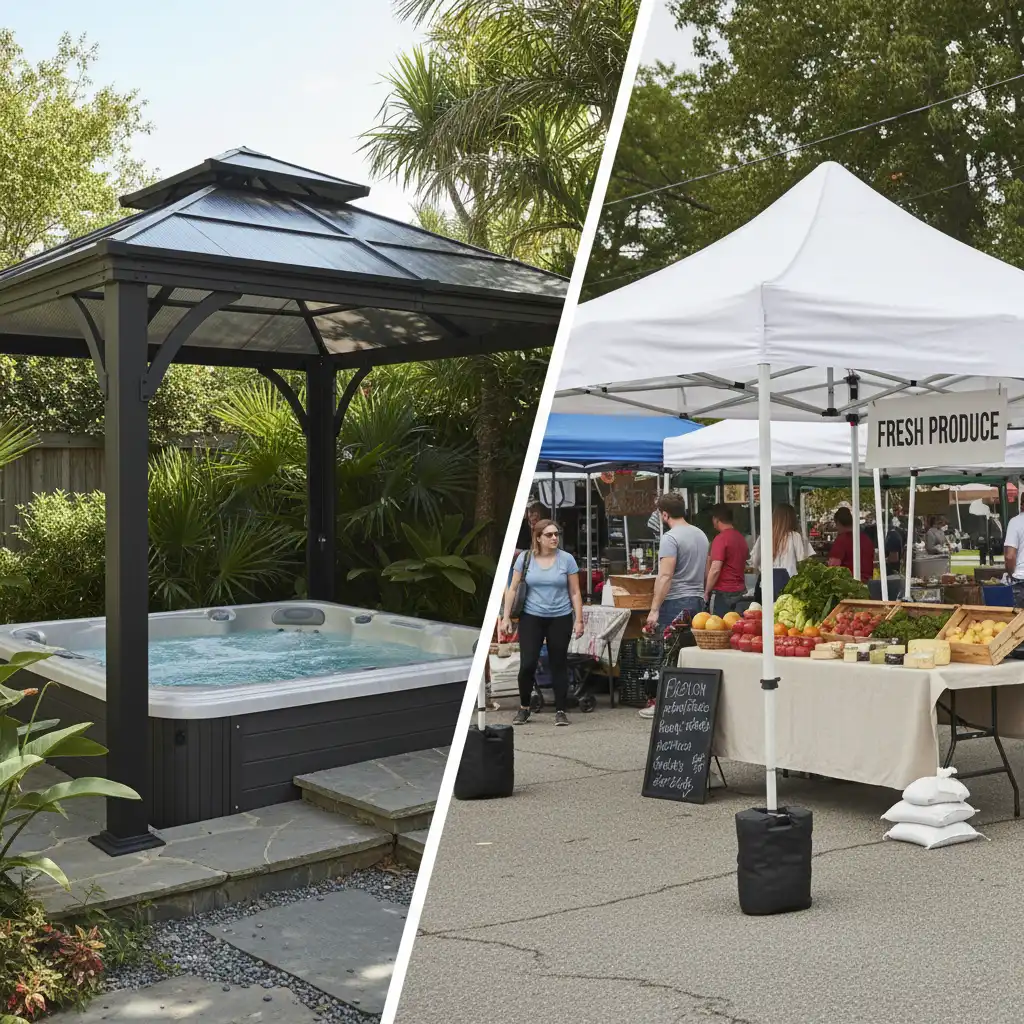
These are architectural structures meant to stay in place year-round. They are heavy, require assembly time of 4-8 hours, and become an extension of your living space. They are ideal for covering spa pools, outdoor dining areas, or BBQ stations. Because they are fixed, they offer the highest wind resistance.
Commercial Pop-Up Gazebos
These are semi-permanent or portable. A “heavy duty” pop-up usually features a hexagonal aluminum leg profile (40mm-50mm diameter) and heavy PVC fabric (600D+). While stronger than camping gazebos, even the best pop-up gazebo should not be left up permanently in New Zealand. They are designed for markets, trade shows, or temporary events. If you leave a pop-up unattended during a nor’wester, it will likely be damaged regardless of its “heavy duty” label.
Critical Anchoring Systems for Safety
A heavy-duty gazebo is only as strong as its connection to the ground. In 90% of failure cases, the frame remained intact, but the anchoring failed, causing the structure to tumble. Proper installation is critical.
Concrete Pad Installation
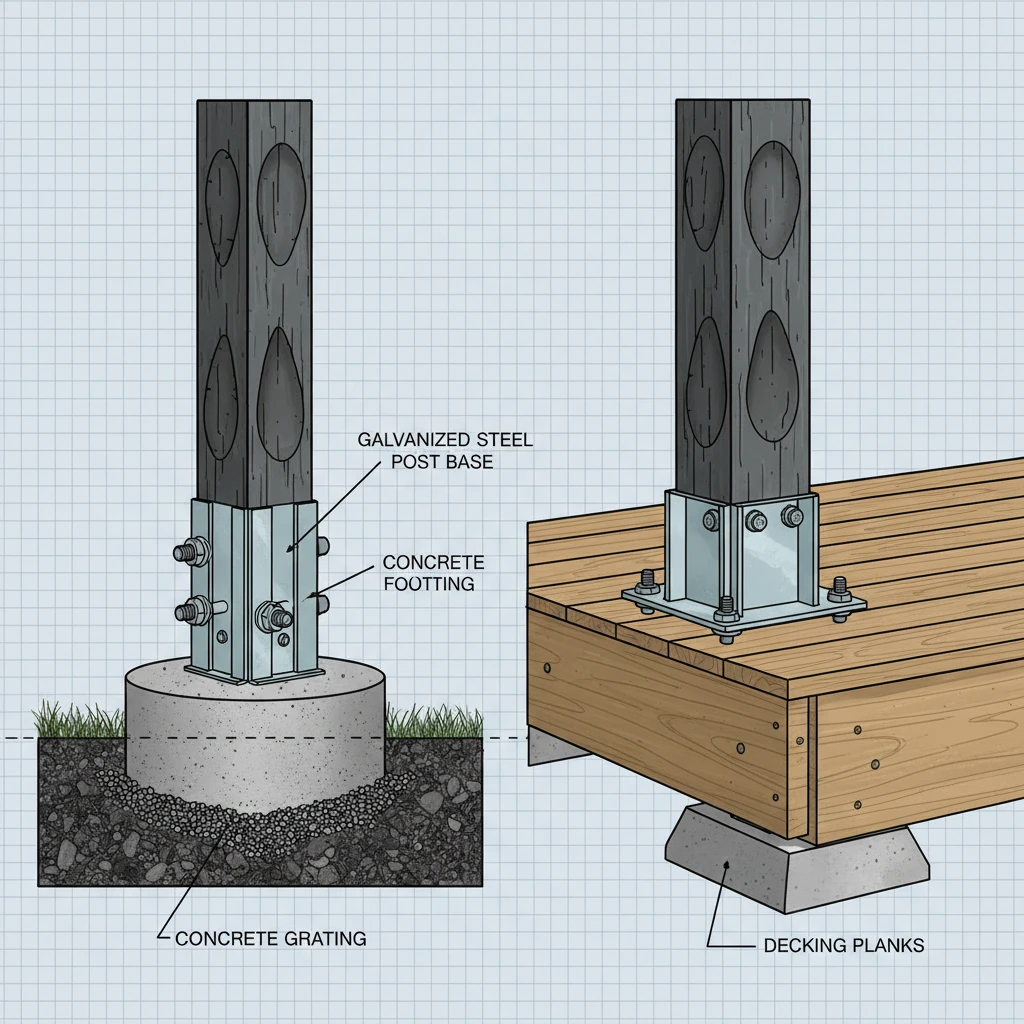
The gold standard for installation is bolting the structure to a reinforced concrete pad. Use Dynabolts (sleeve anchors) or concrete screws (like AnkaScrews). For a standard 3x3m or 3x4m heavy-duty gazebo, you should use at least four bolts per leg. The bolts should penetrate at least 80mm into the concrete to ensure sufficient pull-out resistance against uplift forces.
Timber Deck Installation
When installing onto a wooden deck, lag screws are commonly used. However, you must ensure you are screwing into the structural joists or bearers of the deck, not just the decking boards. Decking boards alone do not have the structural integrity to hold a gazebo down in 100km/h winds. If the leg position does not align with a joist, you must install additional timber blocking (nogs) underneath the deck to provide a solid fixing point.
Pavers and Soft Ground
Do not bolt a heavy-duty gazebo solely to pavers. Pavers are generally floating on sand; the wind lift will simply pick up the gazebo with the pavers attached. If installing over a paved area, you must lift the pavers at the leg locations, pour a concrete footer (approx 400mm x 400mm x 400mm deep), and bolt to that footing before re-cutting the pavers around the post.
Building Consents and Regulations in New Zealand
Before purchasing a heavy duty gazebo in NZ, you must consider the Building Act 2004. Generally, under Schedule 1 of the Act, building work in connection with a pole shed or hay barn, or a porch, veranda, or awning does not require a building consent if it is on the ground floor and does not exceed 30 square meters.
However, there are caveats:
- Size Limits: Most residential gazebos (3x3m, 3x4m, 4x6m) fall well under the 30sqm limit.
- Boundary Distances: You must still comply with local council planning rules regarding distance from boundaries and site coverage.
- Professional Engineering: If the structure is larger than 20sqm, it may require design by a Chartered Professional Engineer to be exempt.
Note: Always check with your local council (Auckland Council, Christchurch City Council, etc.) as rules can vary slightly by region.
Maintenance for Longevity
Even the most robust heavy-duty gazebo requires maintenance to survive the NZ climate indefinitely.
- Check Fixings Annually: Wind vibration can loosen bolts over time. Once a year, go around with a socket set and tighten all frame connections and anchor bolts.
- Wash Down Frames: If you live near the coast, salt buildup can pit aluminum over time. Wash the frame with warm soapy water every 3-6 months.
- Clean Gutters: Many heavy-duty models have integrated gutter systems inside the beams. Ensure these are free of leaves to prevent water overflow and corrosion inside the legs.
- Roof Panel Care: Clean polycarbonate with a soft sponge. Never use abrasive brushes, as scratching the UV coating will degrade the lifespan of the roof panels.
People Also Ask
What makes a gazebo “heavy duty”?
A gazebo is considered heavy duty if it features a reinforced frame (usually aluminum alloy or steel) with legs exceeding 80mm width, rust-resistant powder coating, and a roof capable of supporting snow loads and resisting winds over 80-100km/h.
Do I need a permit for a gazebo in NZ?
Generally, gazebos under 30 square meters do not require a building consent in New Zealand, provided they are on the ground level and meet distance-to-boundary requirements. However, you should always verify with your local council regarding specific zoning rules.
Can heavy duty gazebos stay up all year round?
Yes, permanent heavy duty gazebos with hardtop roofs (polycarbonate or metal) are designed to stay up year-round. Conversely, pop-up style gazebos, even heavy-duty ones, should be taken down during extreme weather events.
How much wind can a heavy duty gazebo withstand?
High-quality permanent gazebos in NZ are often rated for winds between 100km/h and 120km/h when properly anchored to concrete. Pop-up commercial gazebos can typically handle gusts of 40-60km/h before risking damage.
What is the best material for a gazebo roof in NZ?
Tinted Twin-wall Polycarbonate is widely considered the best material for NZ. It is impact-resistant (hail proof), blocks harmful UV rays, allows natural light through, and does not rust or tear like fabric.
How do you secure a gazebo to pavers?
You should not bolt directly to pavers. Instead, remove the pavers at the leg points, dig a hole, pour a concrete footing, and bolt the gazebo to the concrete. You can then cut the pavers to fit around the leg for a neat finish.