
A camping gazebo in NZ is a portable, freestanding shelter designed to provide robust protection from New Zealand’s harsh UV rays, unpredictable wind, and rain. The ideal models feature UPF50+ certified fabrics, waterproof ratings exceeding 2000mm, and durable quick-pitch frames—such as steel hubs or air beams—that withstand coastal breezes while remaining lightweight enough for easy transport.
New Zealand’s outdoors offer some of the most spectacular scenery in the world, from the pristine beaches of the Coromandel to the rugged bush of the South Island. However, the elements can be unforgiving. A high-quality camping gazebo is not just a luxury; it is an essential piece of equipment for extending your living space, protecting your family from the intense sun, and providing a communal hub during downpours. Whether you are looking for a heavy-duty shelter for a week-long holiday or a lightweight shade for a day trip, understanding the nuances of construction, waterproofing, and portability is key to making the right investment.
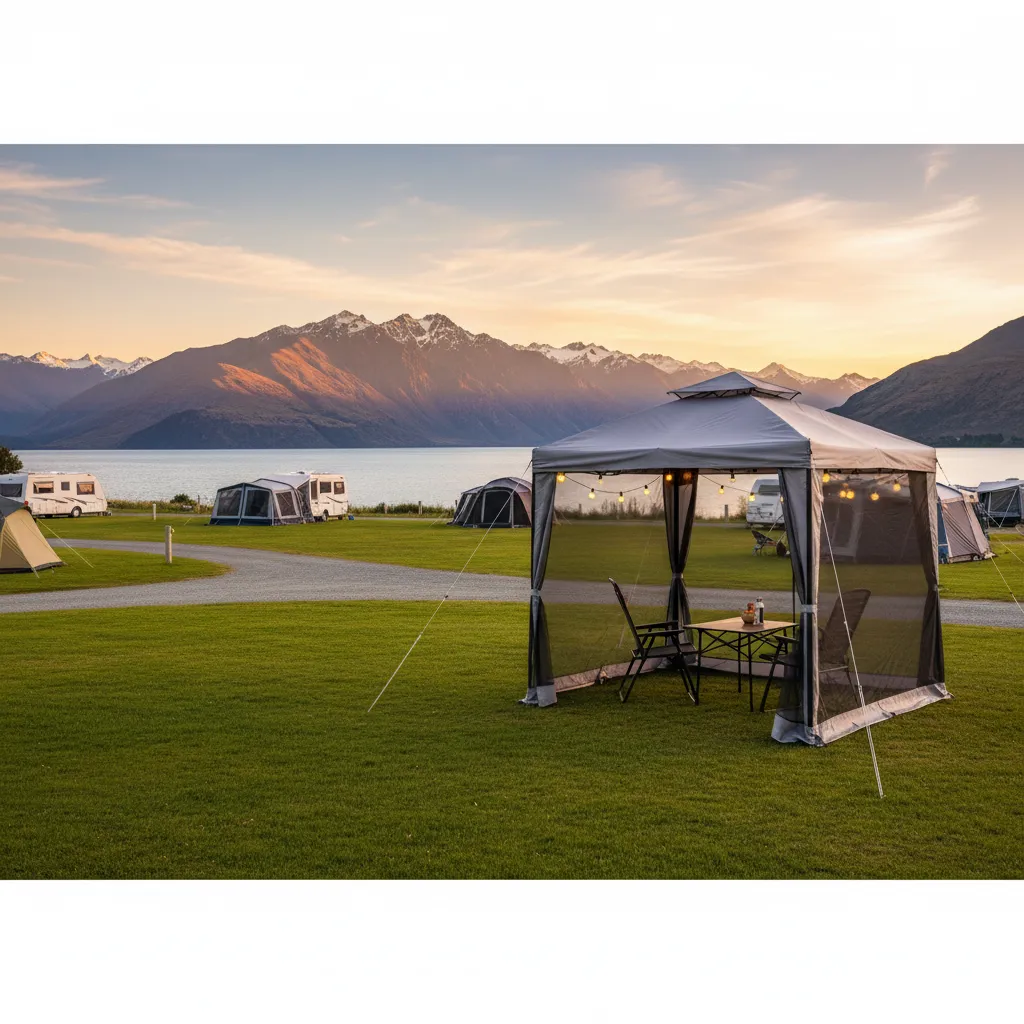
Why is Portability and Weight Critical for Kiwi Campers?
When selecting a camping gazebo in NZ, the balance between structural integrity and portability is the primary trade-off. Unlike permanent garden structures, camping shelters must be transported in vehicles often already packed to the brim with tents, chilly bins, and hiking gear. The weight of a gazebo is largely determined by its frame material and the density of the canopy fabric.
Steel vs. Aluminum vs. Fiberglass Frames
The frame is the skeleton of your shelter, and the material dictates both the weight and the durability.
- Steel Frames: These are the heavyweights of the gazebo world. They offer superior strength and are less likely to buckle under the stress of sudden wind gusts, which are common in NZ coastal areas. However, they are significantly heavier, often weighing between 20kg and 30kg. This makes them suitable for “car camping” where the vehicle is parked right next to the site, but impractical for carrying long distances.
- Aluminum Frames: Aluminum offers a fantastic middle ground. It is resistant to rust—a crucial factor if you frequent beaches—and is considerably lighter than steel. High-grade aluminum frames can provide excellent rigidity without the back-breaking weight, usually falling in the 12kg to 18kg range.
- Fiberglass and Air Beams: Modern shelters often utilize flexible fiberglass poles or inflatable air beams. These are the lightest options, often folding down into compact carry bags similar to a standard tent. While they are incredibly portable, they may have more flex in high winds compared to a rigid steel structure.
Pack Size Considerations
It is not just about weight; it is about volume. A gazebo that packs down into a long, thin bag might fit easily along the floor of a station wagon but could be impossible to fit into the boot of a hatchback. Look for “concertina” style frames for quick setups, but be aware they tend to have a larger packed volume. Conversely, shelters that require assembly (connecting poles) usually pack down much smaller, making them ideal for campers with limited vehicle space.
How Important is UV Protection for Beach Use in New Zealand?
New Zealand has some of the highest UV radiation levels in the world due to the thinner ozone layer in our region and lower air pollution levels. Consequently, a standard shade structure bought from an overseas retailer may not provide adequate protection for a Kiwi summer.
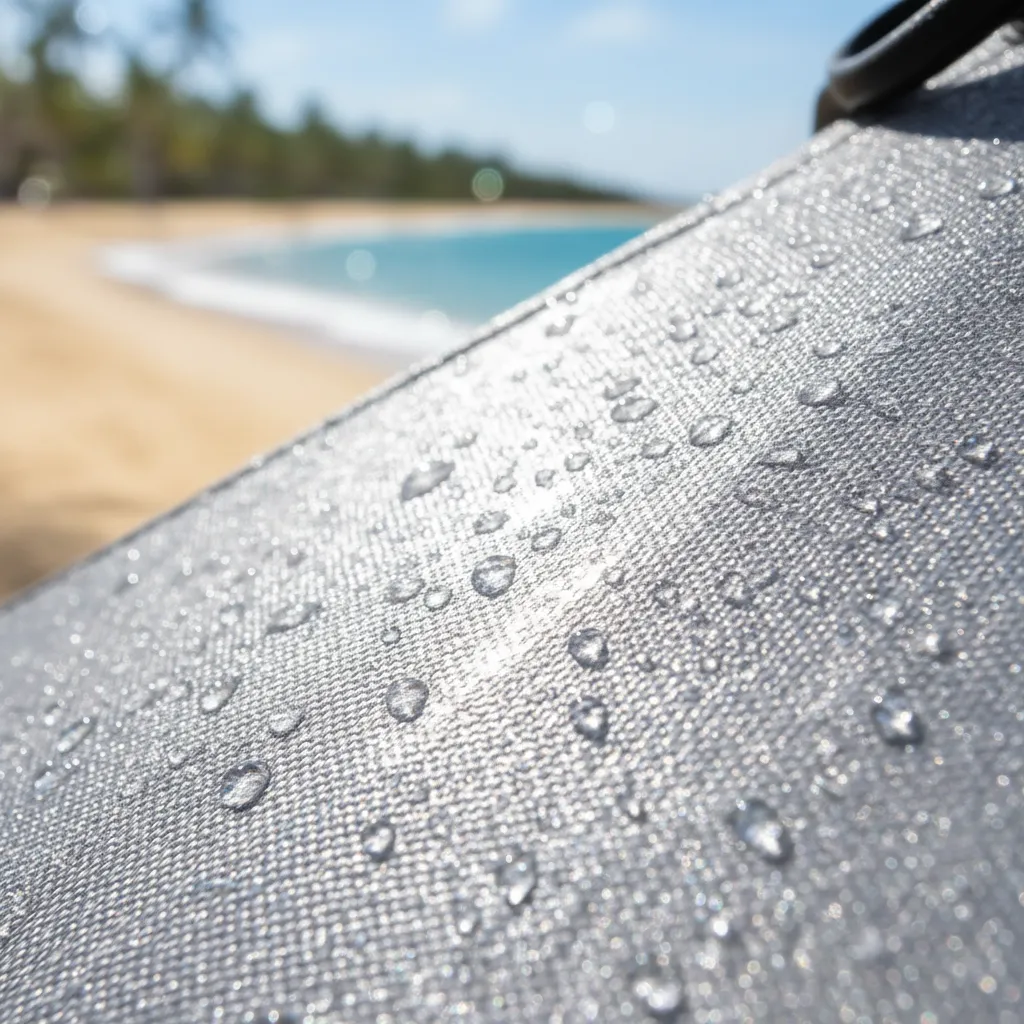
Understanding UPF Ratings
When browsing for a camping gazebo, the most critical specification to check is the Ultraviolet Protection Factor (UPF) rating. For New Zealand conditions, a rating of UPF50+ is the gold standard. This rating indicates that the fabric blocks at least 98% of UV radiation. Fabrics with lower ratings (e.g., UPF30) allow significantly more UV to penetrate, which can lead to sunburn even while sitting in the shade.
Many premium gazebos in the NZ market feature a silver coating on the underside of the canopy. This coating serves a dual purpose: it enhances the UV blocking capabilities of the fabric and reflects heat away, keeping the area underneath the shelter significantly cooler than the ambient temperature.
Sidewalls and Sun Tracking
The sun does not stay in one spot, and neither does the shade. As the sun lowers in the afternoon—often the hottest part of the day—overhead canopy protection becomes less effective. This is where modular sidewalls become essential. A high-quality camping gazebo system will allow you to attach solid or mesh walls. Solid walls provide a complete block against the low sun and wind, while mesh walls allow for airflow while filtering out insects. For beach use, having at least one solid wall is recommended to create a barrier against sand blown by the sea breeze.
What Are Quick-Pitch Technologies and Do They Work?
The traditional method of threading poles through fabric sleeves is rapidly becoming a thing of the past for utility shelters. Modern campers demand speed and efficiency, leading to the rise of “Insta-Pitch,” “Pop-Up,” and “Hub” technologies.
The Hub System vs. Concertina Frames
Concertina (Pop-Up) Frames: This is the most common style for heavy-duty gazebos. The frame is a single connected unit that expands like an accordion. You simply pull the legs out, lock the corners, and extend the height. Setup can take as little as 60 seconds with two people. The downside is the weight and the potential for the scissor-action struts to bend if forced.
Hub Systems: Popularized by brands specializing in camping shelters, hub systems use a central mechanism on each wall and the roof. You pull a strap on the hub, and the tension pops the wall outward, locking it in place. These are exceptionally fast to set up and often provide better vertical walls than dome shelters, maximizing usable internal space.
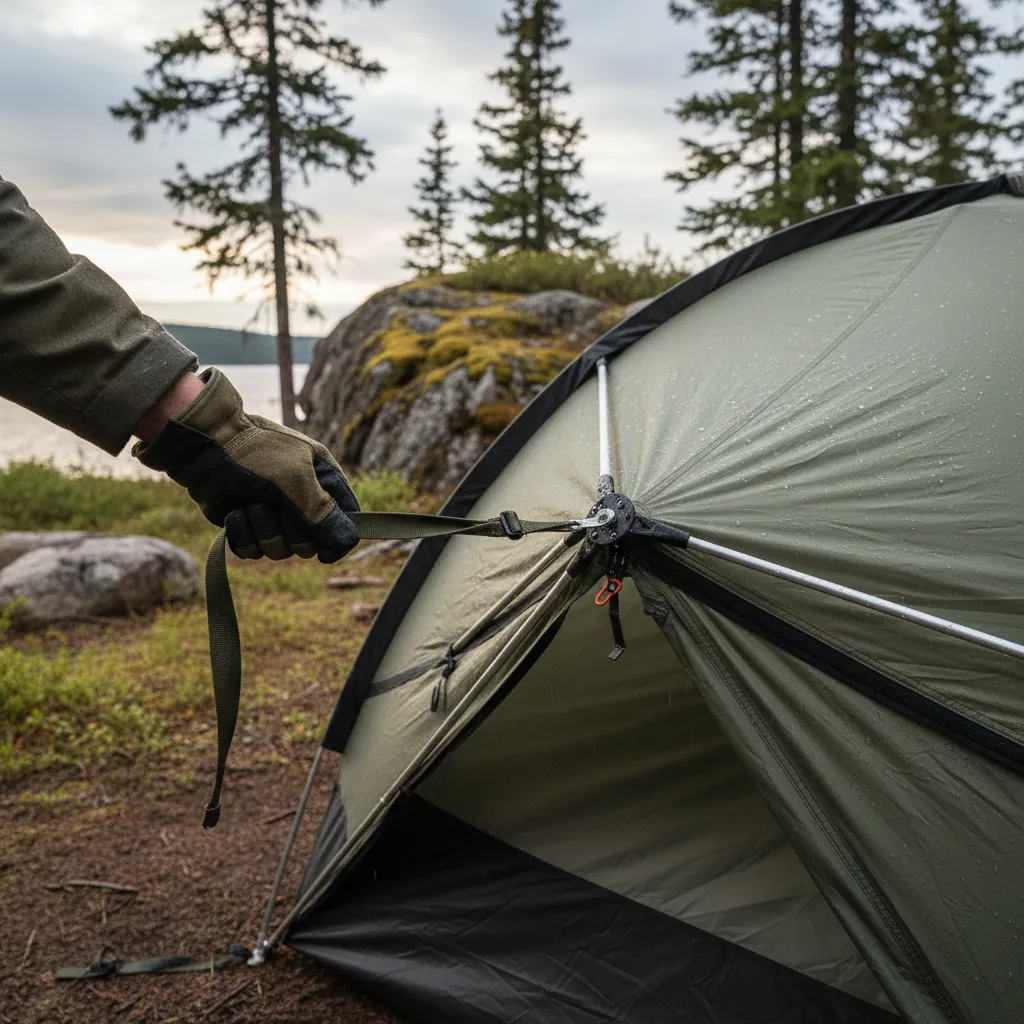
Air Beam Technology
Air shelters are gaining traction in the NZ market. Instead of metal or fiberglass poles, the structure is supported by robust inflatable tubes. Using a high-volume pump, a large shelter can be erected in minutes by a single person. Air beams are incredibly resilient in the wind; where a metal pole might snap, an air beam will simply bend and then spring back into shape once the gust passes.
Can You Connect Gazebos to Tents and Vehicles?
One of the most versatile trends in outdoor living is the modular campsite. Rather than having isolated tents and shelters, campers are connecting them to create large, weather-proof complexes.
Gazebo Pods and Connectors
Many modern camping gazebos are designed as central hubs. You can purchase “sleeping pods”—essentially small tents that clip into the side of the gazebo. This allows you to have a central living area with bedrooms radiating off it. This is ideal for families with older children who want their own space but need to stay connected to the main site.
Furthermore, “gutter kits” allow you to join two gazebos together without rain dripping down the gap between them. This is perfect for large groups who need an extended dining area.
Vehicle Awnings and SUV Connectors
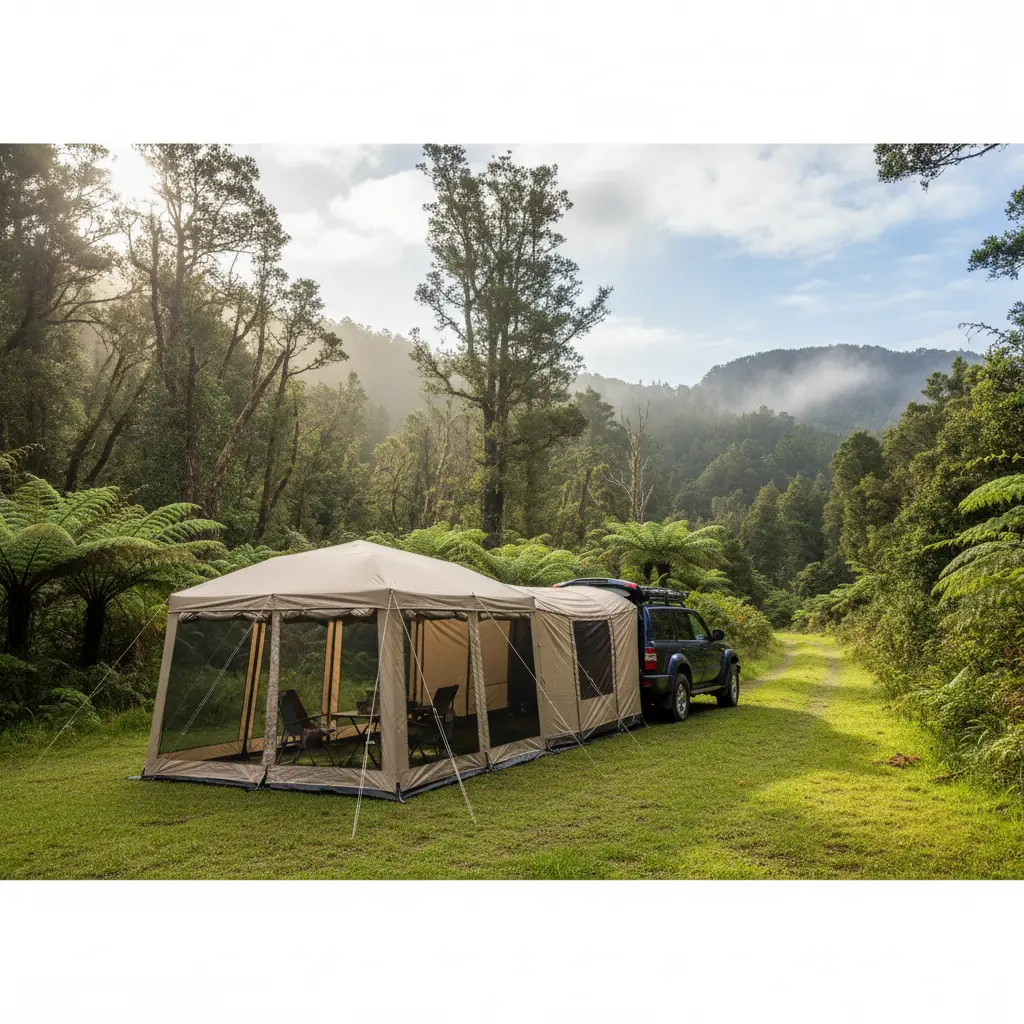
For the 4WD and touring enthusiast, connecting the shelter to the vehicle is vital. Some gazebos come with tunnel attachments that suction-cup or strap onto the rear of an SUV or the side of a van. This creates a dry transition zone between your vehicle storage and your living space, allowing you to access gear in the boot without getting wet.
Waterproofing and Wind Resistance Ratings
In New Zealand, “four seasons in one day” is not just a saying; it is a reality. A sun shade that cannot handle rain is of limited use.
Hydrostatic Head Ratings
Waterproofing is measured by the Hydrostatic Head (HH) rating in millimeters. This indicates the pressure of water the fabric can withstand before leaking.
- 1000mm HH: Considered water-resistant. Fine for light showers but will leak in heavy rain.
- 2000mm – 3000mm HH: The standard for quality camping gear. This will withstand steady, heavy rain.
- 3000mm+ HH: Expedition grade. Essential if you plan to camp in Fiordland or the West Coast.
Ensure that the seams are “tape sealed.” Even the most waterproof fabric will leak through the needle holes made during stitching if they are not sealed with thermal tape.
Wind Aerodynamics
A gazebo is essentially a giant sail. To prevent it from taking flight, look for models with built-in wind vents in the roof. These vents allow air pressure to escape from underneath the canopy, reducing lift. Additionally, check the quality of the guy rope attachment points. They should be reinforced with double stitching or heavy-duty patches. Always use storm straps and heavy-duty pegs (not the thin wire ones often supplied) when camping in exposed NZ locations.
Maintenance and Longevity of Your Shelter
Investing in a premium camping gazebo in NZ warrants proper care to ensure it lasts for many summers.
- Never pack it away wet: This is the golden rule. If you must pack up in the rain, open the gazebo out to dry fully as soon as you get home. Mold and mildew can destroy the waterproof coating and rot the fabric within days.
- UV Re-treatment: Over time, UV rays degrade the fabric. Using a UV protectant spray every couple of seasons can extend the life of the canopy.
- Frame Care: If you have been camping near the sea, wipe down the frame with fresh water to remove salt spray, which accelerates corrosion. Lubricate telescopic legs with silicone spray (avoid oil-based lubricants as they attract dirt) to keep them sliding smoothly.
People Also Ask
What is the best gazebo for high winds in NZ?
The best gazebos for high winds in NZ feature air-beam technology or heavy-duty steel frames with aerodynamic vents. Air beams flex rather than break, while robust steel frames with substantial guy ropes and storm straps provide rigidity. Always ensure you use sandbags or heavy-duty pegs to anchor the structure securely.
Are pop-up gazebos waterproof?
Not all pop-up gazebos are waterproof. Cheaper models are often only water-resistant. For full waterproofing, look for a Hydrostatic Head rating of at least 2000mm and ensure the seams are tape-sealed. In NZ, it is recommended to buy a shelter specifically designated as a “camping gazebo” rather than a generic “market stall” gazebo.
Can one person set up a camping gazebo?
Yes, many modern camping gazebos are designed for solo setup. Hub-style shelters and air-beam shelters are particularly easy for one person to manage. Traditional concertina (accordion) frames are easier with two people but can be done by one person by gradually working around the corners.
What is the difference between a screen house and a gazebo?
A screen house usually has mesh walls permanently attached to the structure, prioritizing insect protection and ventilation. A gazebo typically has an open structure with a solid roof, and sidewalls (mesh or solid) are optional add-ons. Gazebos generally offer better rain protection and versatility.
How do I secure a gazebo on the beach?
Standard pegs do not hold in soft sand. To secure a gazebo on the beach, use sand pegs (which are long and broad) or sandbags attached to the legs and guy ropes. If you don’t have sandbags, you can bury a bag filled with sand or a heavy log deep in the sand and tie your guy ropes to it (a “deadman” anchor).
Is a dark or light colored gazebo better?
Light-colored gazebos reflect more sunlight and heat, keeping the interior cooler, but they may show dirt more easily. Dark colors absorb heat, potentially making the underside warmer, but they often provide a darker shade which can be preferable for reducing glare. Silver-coated linings are the best option as they reflect heat regardless of the outer color.