
Pergola builders in Auckland are specialized licensed tradespeople who design, fabricate, and install outdoor overhead structures using timber, steel, or aluminium. These professionals manage the entire project lifecycle, from initial site assessment and Auckland Council consent applications to the final installation of louvre roofs, fixed canopies, and integrated decking, ensuring a durable, weather-resistant outdoor living space.
Transforming your backyard into a functional, year-round living area is one of the best investments you can make for your Auckland property. Whether you are looking to shelter a deck from the intense New Zealand sun or create a rain-proof entertainment zone for winter, finding the right experts is crucial. This guide explores everything you need to know about hiring professional pergola builders in Auckland, from the North Shore to Manukau.
Why Hire Professional Pergola Builders in Auckland?
While DIY kits are available at local hardware stores, the unique climate and topography of the Auckland region often demand a custom solution. Professional pergola builders bring a level of expertise that ensures your structure is not only beautiful but also safe, compliant, and durable.
Structural Integrity and Weather Resistance
Auckland is known for its “four seasons in one day” weather patterns. A structure that looks good in summer must also withstand the high winds of the Hauraki Gulf and the heavy rainfall typical of an Auckland winter. Professional installers use high-grade materials—such as H5 treated timber or marine-grade aluminium—and engineering principles to ensure your pergola remains secure during storms. They understand wind zones, from the exposed coastal cliffs of the East Coast Bays to the sheltered valleys of Titirangi.
Value Addition to Property
Real estate data consistently shows that high-quality outdoor living spaces significantly increase property value in New Zealand. A professionally built pergola acts as an extension of your home’s footprint. When you hire expert builders, you are ensuring that the design integrates seamlessly with your existing architecture, rather than looking like a bolt-on afterthought. This aesthetic cohesion is vital for maximizing resale value.
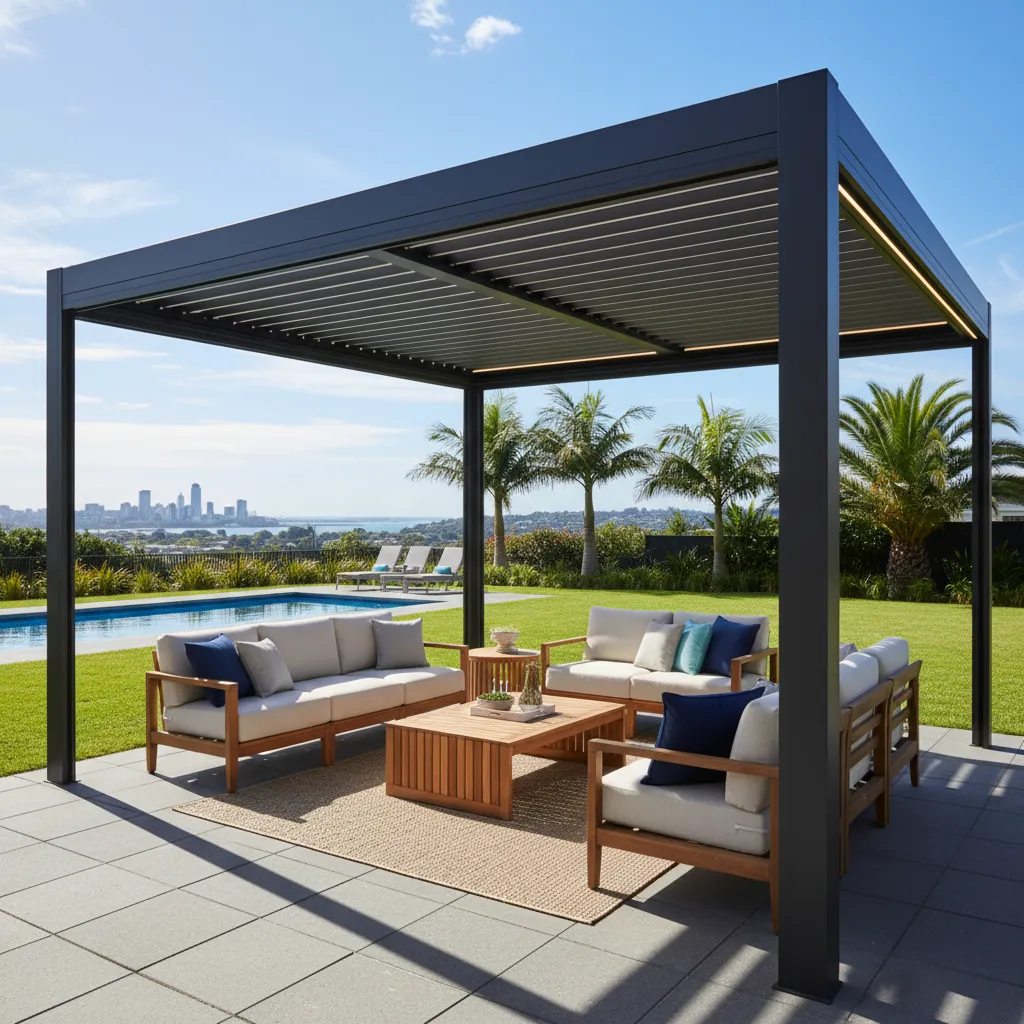
Types of Pergolas and Materials
When consulting with pergola builders in Auckland, you will generally be presented with two primary material choices: Timber and Aluminium. Each has distinct advantages depending on your aesthetic preference and budget.
1. Custom Timber Pergolas
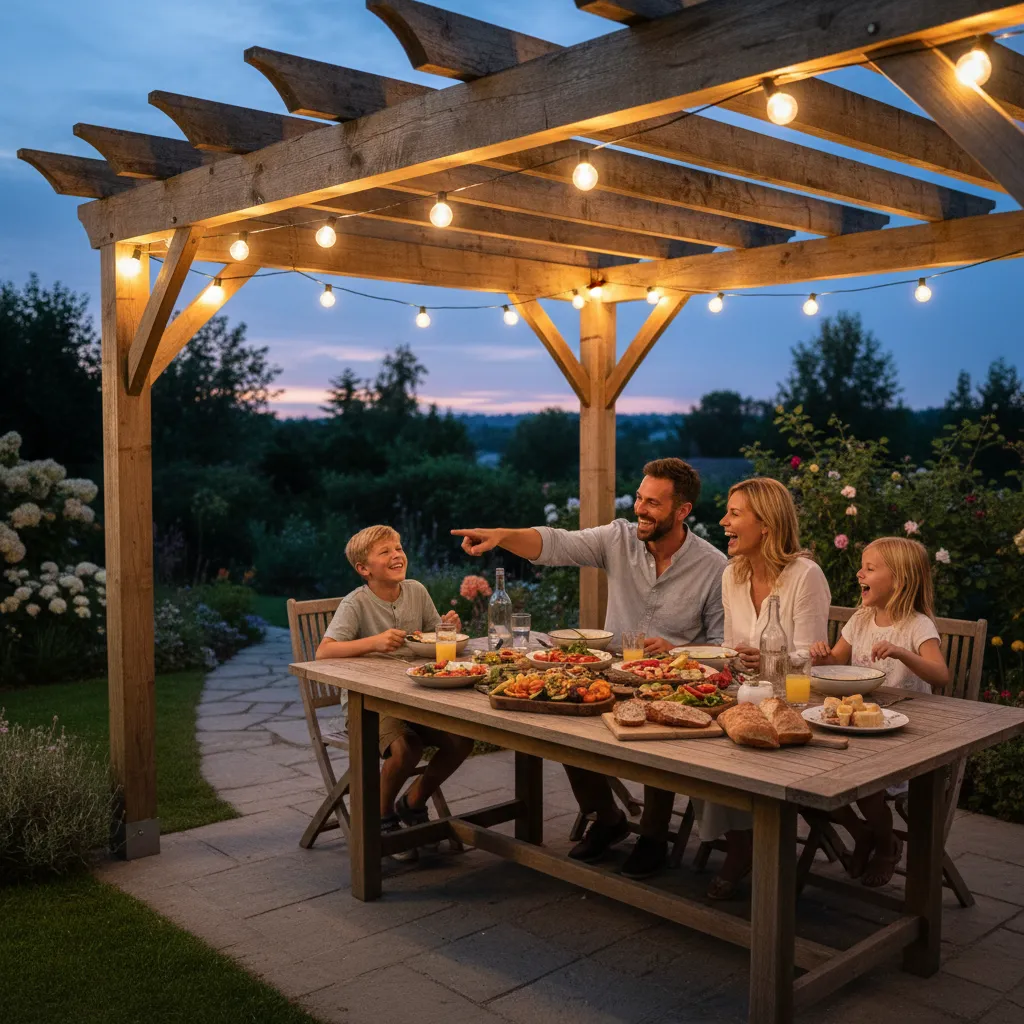
Timber remains a favorite for classic villas in Ponsonby, bungalows in Mount Eden, and rustic settings in West Auckland. It offers a warm, natural aesthetic that softens the look of outdoor areas.
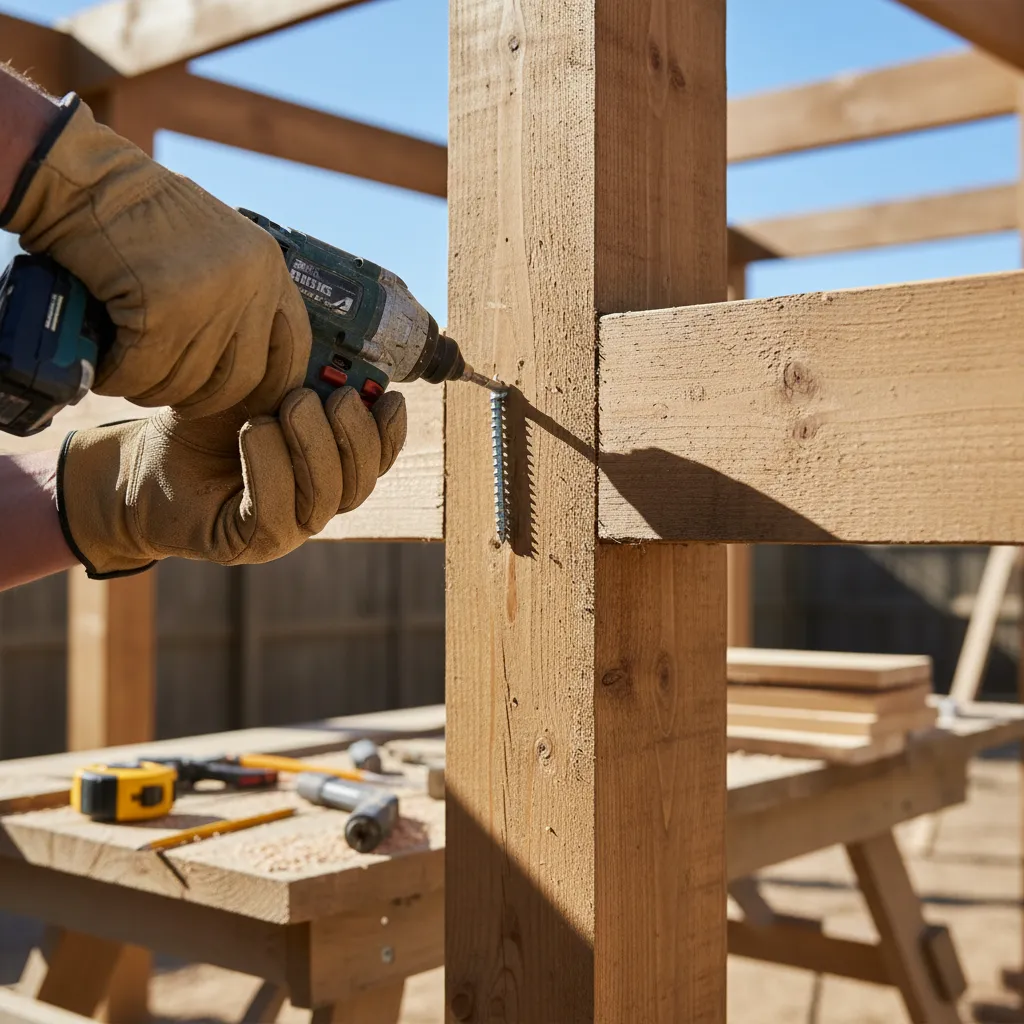
- Materials: Builders typically use Radiata Pine (treated to H3.2 or H4 standards for durability), Macrocarpa, or imported hardwoods like Kwila and Vitex.
- Design Flexibility: Wood is easily cut and shaped, allowing for intricate detailing, exposed rafters, and traditional joinery.
- Maintenance: Timber requires regular staining or painting to prevent rot and warping in NZ’s humid climate.
2. Aluminium Louvre Systems
For modern homes in Albany, Stonefields, or Hobsonville Point, aluminium pergolas are the dominant choice. These structures are sleek, minimalist, and virtually maintenance-free.
- Functionality: Most aluminium systems feature motorized louvres. With the push of a button, you can open the roof to let the sun in or close it completely to block rain.
- Durability: Powder-coated aluminium is resistant to rust and corrosion, making it ideal for coastal properties near Mission Bay or Takapuna.
- Integration: These systems often come with integrated rain sensors, LED strip lighting, and drop-down Ziptrak blinds.
3. Polycarbonate and Glass Roofing
For homeowners who want permanent weather protection without losing light, builders can install fixed clear or tinted roofing. High-quality polycarbonate (like Suntuf) or toughened safety glass ensures that your patio remains bright while blocking 99% of UV rays.
Finding Trusted Local Installers
Identifying the best pergola builders Auckland has to offer requires looking for specific credentials. The market is split between large nationwide franchises and smaller, boutique craftsmanship firms. Here is what you should look for when compiling your list of potential installers:
Licensed Building Practitioners (LBP)
For any structure that includes restricted building work (which can include certain attached pergolas or those requiring consent), hiring an LBP is mandatory. Even for exempt work, an LBP license is a badge of competence and knowledge regarding the NZ Building Code.
Trade Association Memberships
Reputable builders are often members of industry bodies such as:
- Registered Master Builders: Offers peace of mind with guarantees.
- New Zealand Certified Builders (NZCB): Ensuring high trade standards.
- Architectural Designers New Zealand (ADNZ): Useful if you need complex design work.
Service Areas: North Shore to South Auckland
Most established pergola companies cover the greater Auckland region, but travel costs can sometimes factor into your quote. Here is a breakdown of the primary service zones:
North Shore
From Devonport to Albany and up to the Whangaparaoa Peninsula. Builders here are experienced in dealing with coastal wind zones and steep sites typical of the Shore. Popular styles here often include white powder-coated aluminium to match modern coastal aesthetics.
Central Auckland
Covering the CBD, Remuera, Grey Lynn, and Mount Albert. Work here often involves heritage zones. Builders must be adept at designing structures that respect the character of older homes while navigating tighter site access.
West Auckland
Waitakere, Henderson, and Titirangi. The environment here can be damper and more bush-clad. Builders often recommend materials that are highly resistant to moss and mould, and designs that maximize available light.
East and South Auckland
From Howick and Pakuranga down to Manukau and Papakura. This vast area sees a mix of new developments and established sections. There is a high demand here for large, family-oriented outdoor entertainment areas featuring BBQ zones and extensive decking.
Understanding Auckland Council Consents
One of the most common questions for pergola builders in Auckland is: “Do I need a building consent?” The answer depends on the size, height, and complexity of the structure.
The “Exempt” Category
Under the current NZ Building Act, you generally do not need a building consent for a pergola if:
- Size: It is 30 square meters or less in floor area.
- Placement: It is on the ground floor.
- Construction: It is designed by a Chartered Professional Engineer OR carried out/supervised by a Licensed Building Practitioner (if over 20sqm). If it is a simple lightweight structure under 20sqm, a homeowner can often build it without an LBP, provided it meets code.
When Consent is Required
You will likely need consent if:
- The structure is attached to the house in a way that affects the weathertightness of the existing building.
- The pergola includes a solid roof (making it a carport or veranda) and exceeds 20sqm without LBP supervision, or 30sqm with it.
- The structure is close to a boundary (violating recession planes).
- Plumbing is involved (e.g., for an outdoor kitchen sink).
Top-tier pergola builders will handle the council paperwork for you, submitting plans and obtaining the Code Compliance Certificate (CCC) upon completion.
Cost Guide and Pricing Factors
Pricing for pergola builders in Auckland varies significantly based on materials and automation. While it is difficult to give an exact figure without a site visit, here are the market averages.
Estimated Price Ranges
- Basic Timber Pergola (Open roof): $250 – $450 per square meter.
- Roofing (Polycarbonate/Clear): Adds $100 – $200 per square meter.
- Premium Aluminium Louvre Systems: $1,000 – $2,500+ per square meter. These are high-end systems with motors, rain sensors, and remotes.
Factors Influencing the Quote
Several variables will dictate the final price presented by your installer:
- Site Access: Difficult access (e.g., no side gate, steep stairs) requires more labor or crane hire.
- Ground Works: If concrete pads need to be poured for posts, or if a deck needs reinforcing to hold the weight.
- Electrical Work: Integrating lighting, heaters, or motorized screens requires a certified electrician.
- Customization: Powder coating to a specific Dulux colour match or custom timber milling increases costs.
Customer Reviews and Ratings
Before signing a contract, investigating the reputation of your chosen builder is essential. In the digital age, transparency is high, and previous customers leave trails of evidence regarding a company’s reliability.
Where to Check Reviews
- Google Business Profiles: Look for companies with a 4.5-star rating or higher. Read the negative reviews specifically to see how the company responds to issues.
- Builderscrack & NoCowboys: These NZ-specific platforms allow verified users to rate tradespeople. Look for comments on communication, punctuality, and site cleanliness.
- Social Media: Check the company’s Facebook or Instagram. Active pages with photos of recent finished projects are a good sign of a thriving business.
Pro Tip: Ask the builder for references from their last three jobs. A confident installer will happily provide phone numbers of past clients who can vouch for their work.
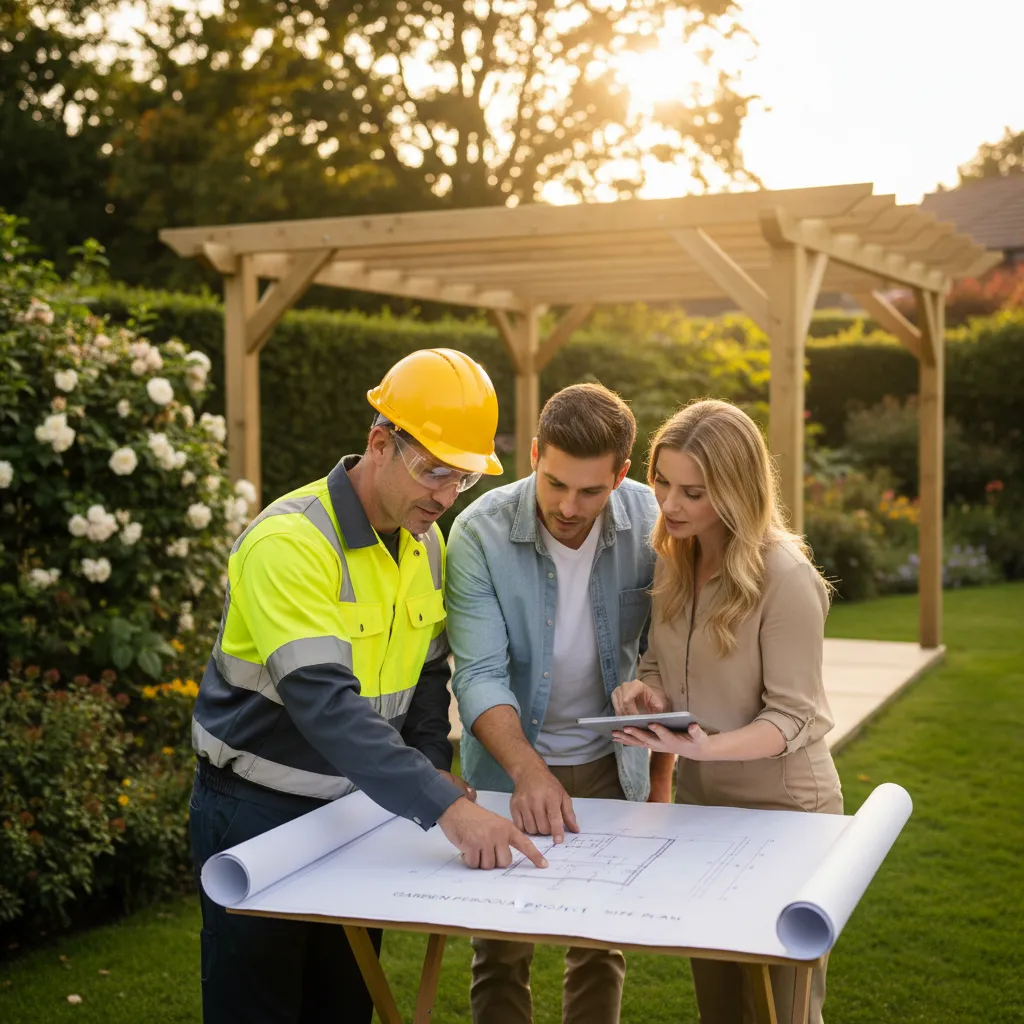
Requesting a Site Visit
The final step in securing your dream outdoor area is the site visit. This is where the builder assesses your property and provides a formal quote. This service is typically free or carries a nominal fee that is deducted from the final invoice.
How to Prepare for the Visit
To get the most accurate quote, have the following ready:
- Inspiration Photos: Show the builder exactly what style you are aiming for.
- Budget Range: Be honest about what you are willing to spend so they can recommend appropriate materials.
- Property File: If you have drainage plans or site boundaries, this helps the builder determine post placement immediately.
By engaging professional pergola builders in Auckland, you ensure that your investment is protected, compliant, and built to last. Whether you choose the rustic charm of timber or the sleek efficiency of aluminium louvres, the right installer will help you reclaim your backyard and enjoy the New Zealand outdoors in comfort.
People Also Ask
How much does it cost to build a pergola in Auckland?
The cost varies widely. A simple timber pergola may cost between $3,000 and $8,000, while high-end motorized aluminium louvre systems typically start around $15,000 and can exceed $40,000 depending on size and features.
Do I need council consent for a pergola in Auckland?
Generally, pergolas under 30 square meters on the ground floor do not require consent. However, if the structure has a solid roof (making it a veranda) or is attached to the home’s weather-tight envelope, consent may be required. Always check with your builder or Auckland Council.
What is the difference between a pergola and a louvre roof?
A traditional pergola often has an open lattice roof or fixed transparent roofing. A louvre roof system consists of adjustable slats (usually aluminium) that can open to let in light or close to become a waterproof solid roof.
How long does it take to install a pergola?
Once materials are fabricated, the on-site installation is usually quick. A standard pergola can be installed in 1 to 3 days. However, lead times for manufacturing custom aluminium systems can range from 4 to 12 weeks.
Can I attach a pergola to my house?
Yes, attaching a pergola to the house is common for creating indoor-outdoor flow. This requires careful detailing to ensure the house remains weathertight, and it is more likely to require a building consent compared to a freestanding structure.
Which is better: timber or aluminium pergolas?
Timber offers a natural, traditional look and is generally cheaper upfront but requires maintenance (staining). Aluminium is more expensive but offers a modern look, higher durability, and requires almost no maintenance.