
Wind rated pergolas NZ are specialized outdoor structures engineered to comply with NZS 3604 building standards, capable of withstanding specific wind pressures found across New Zealand. These systems utilize reinforced aluminium or timber frames, deep concrete footings, and heavy-duty bracing to resist the lateral and uplift forces characteristic of High, Very High, and Extra High wind zones.
New Zealand’s geography creates a unique and often harsh environment for outdoor construction. From the coastal gales of Wellington to the alpine gusts of the South Island, installing a standard, off-the-shelf pergola often leads to structural failure. For homeowners and developers alike, understanding the engineering behind wind rated pergolas NZ is not just a matter of durability—it is a critical safety requirement and a legal necessity under the Building Code.
Identifying Your Property’s Wind Zone
Before selecting materials or a design, you must determine the specific wind zone of your site. In New Zealand, wind zones are categorized under NZS 3604:2011. This standard dictates the structural requirements for timber-framed buildings and associated structures like pergolas.
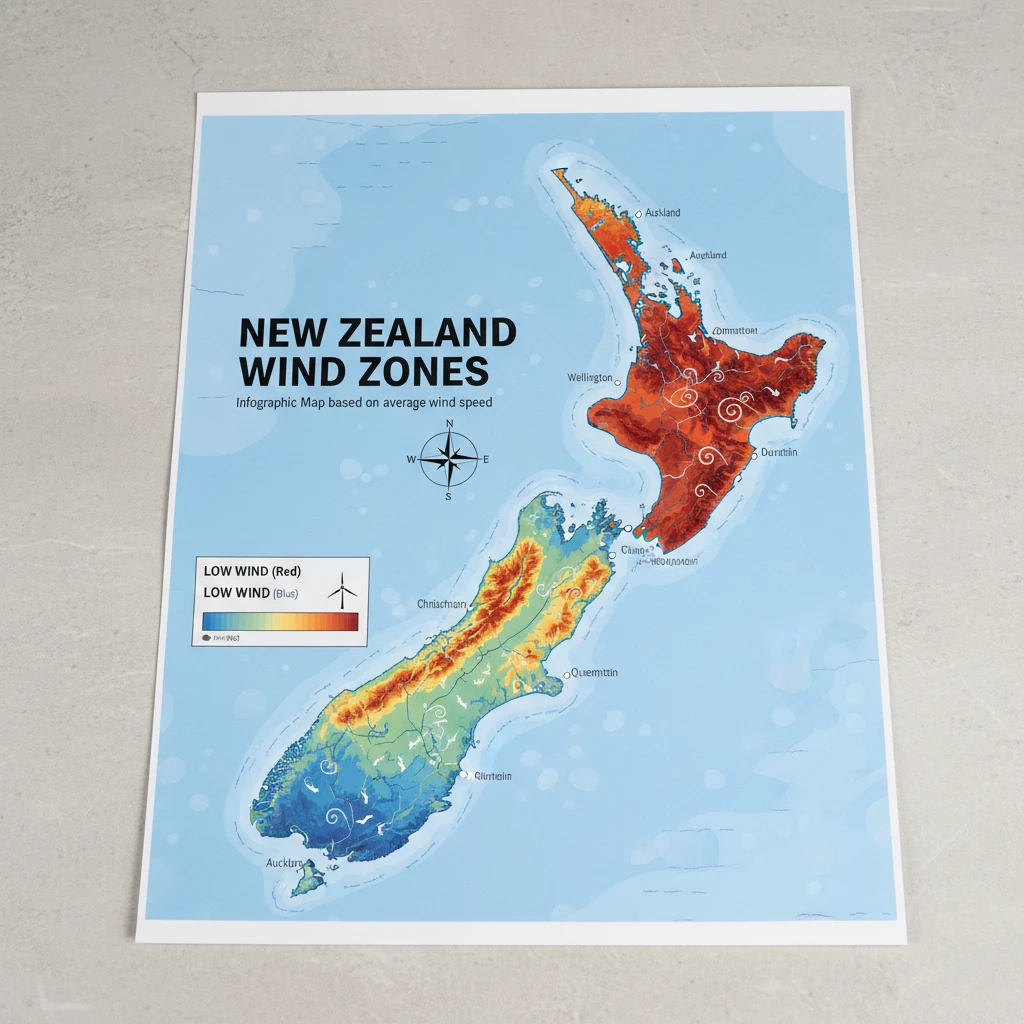
What are the NZ Wind Categories?
The wind zone is calculated based on region, terrain, shielding, and topographic class. The categories are:
- Low: Wind speeds up to 32 m/s. Typically sheltered urban areas.
- Medium: Wind speeds up to 37 m/s. Common in suburban areas with some exposure.
- High: Wind speeds up to 44 m/s. Exposed open terrain.
- Very High: Wind speeds up to 50 m/s. Coastal or elevated sites.
- Extra High: Wind speeds up to 55 m/s. Extremely exposed coastal or hill-top sites.
- Specific Engineering Design (SED): Locations where wind speeds exceed Extra High parameters.
Most standard pergola kits sold in big-box hardware stores are only rated for Low or Medium zones. Installing these in a High or Very High zone without modification is a recipe for disaster. To find your zone, you can use local council GIS maps or consult a structural engineer. If you are in a “High” zone, your pergola must be engineered to resist significantly higher uplift forces than one in a sheltered valley.
The Mechanics of Stability: Bracing Requirements
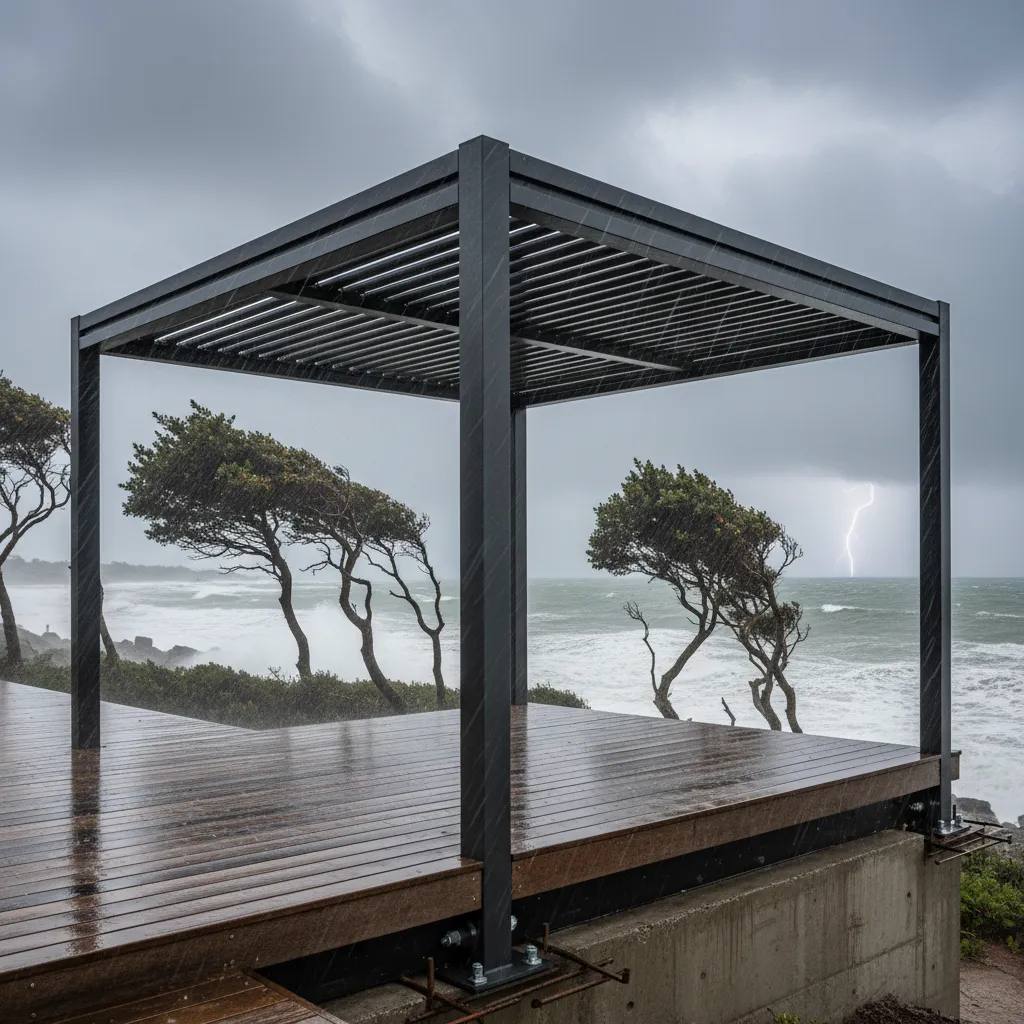
The primary failure mode for pergolas in high winds is not the material snapping, but the structure racking (leaning over) or lifting out of the ground. Wind rated pergolas NZ address this through specific engineering protocols regarding bracing and connection strength.
How does bracing prevent structural failure?
Wind exerts lateral pressure on the face of the pergola. Without adequate bracing, the vertical posts act like levers, placing immense strain on the base connections. There are two main engineering approaches to handle this:
- Knee Bracing: Diagonal supports connecting the post to the beam. While effective, these can obstruct views and headroom.
- Moment-Resisting Frames (Portal Frames): This is the preferred method for modern, sleek aluminium pergolas. The connections between the posts and the main beams are engineered to be rigid, preventing rotation without the need for diagonal cross-bracing. This requires heavy-duty internal steel inserts or thick-walled aluminium extrusions.
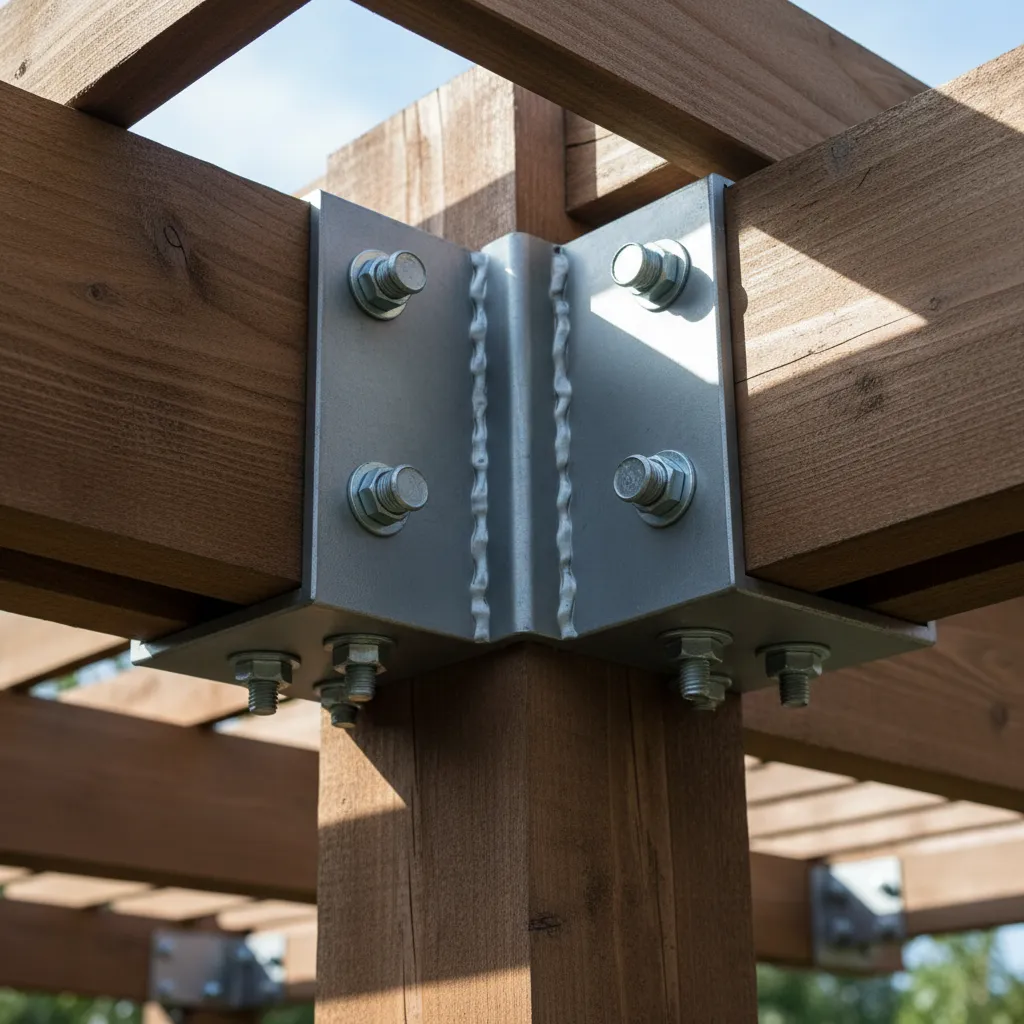
In New Zealand’s high wind zones, the “uplift” force is often more dangerous than the lateral force. This occurs when wind passes over the louvers or roof, creating a vacuum effect that tries to pull the structure vertically out of the ground. Engineering for this involves specifying high-tensile stainless steel bolts and ensuring the connection between the post and the footing is stronger than the uplift force.
Foundation Engineering: Footing Depth and Concrete Specs
A wind-rated structure is only as strong as its foundation. For wind rated pergolas NZ, the standard “600mm deep hole with a bag of rapid set” is rarely sufficient, particularly in High and Very High zones.
What are the footing requirements for High Wind Zones?
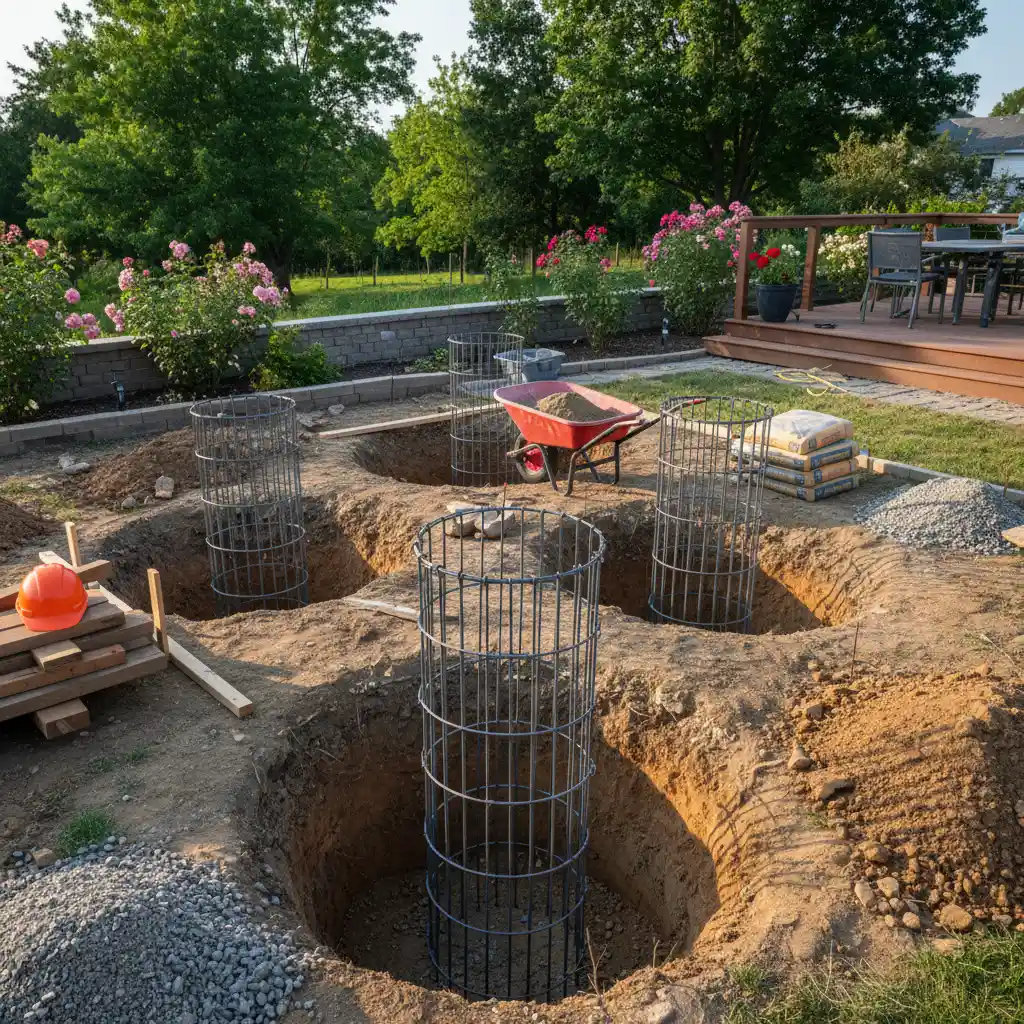
The size of the concrete footing acts as a counterweight (ballast) against uplift and a rigid anchor against lateral movement. Engineering specifications typically require:
- Depth: Often ranges from 900mm to 1.2 meters depending on the soil type (clay, sand, or rock) and the total surface area of the pergola roof.
- Diameter: A minimum of 300mm to 450mm diameter per hole.
- Concrete Strength: Standard concrete (17.5 MPa) may be acceptable, but structural engineers often specify 20 MPa or 25 MPa concrete for better bond strength with the anchor bolts.
- Reinforcement: In Very High zones, a steel reinforcing cage within the concrete pile may be necessary to prevent the concrete from cracking under the lever-arm force of the post.
If you are installing onto an existing concrete patio, chemical anchors (epoxy resin) are required rather than mechanical expansion bolts, as the vibration from wind can loosen mechanical fixings over time. The existing slab must also be assessed to ensure it is thick enough and has the mass to hold the pergola down.
Selecting Wind-Rated Kits vs. Custom Builds
The market is flooded with imported pergola kits, but few meet the stringent requirements of NZS 3604 for exposed sites. When shopping for wind rated pergolas NZ, you must look beyond the aesthetic and scrutinize the technical data sheet.
What features define a genuine wind-rated kit?
1. Louver Blade Profile:
In high winds, flat louver blades can rattle or bend. Wind-rated systems use an “aerofoil” shape which allows air to pass more smoothly, reducing drag. The blades should be double-skinned (hollow inside) for rigidity.
2. Material Thickness:
Standard budget pergolas use 1.5mm – 2.0mm aluminium. A High Wind Zone capable pergola will typically utilize 3.0mm to 4.0mm thick marine-grade aluminium (6063-T5 or T6) for main beams and posts.
3. Motor Strength (for automated systems):
If the pergola is motorized, the linear actuator must have a high holding force (rated in Newtons). In high winds, weak motors can be forced open, causing the louvers to slam violently. High-end systems include wind sensors that automatically open the louvers during a storm to allow airflow through, relieving pressure on the frame.
Building Consents and PS1 Documentation
A common misconception is that all pergolas under 20 square meters (or 30sqm for lightweight structures) are exempt from council consent. While the Building Act does provide exemptions, these exemptions are conditional on the structure complying with the Building Code—including structural stability.
Do I need a PS1 for my pergola?
If you are in a High, Very High, or Extra High wind zone, or if the pergola is attached to your house, you should request a PS1 (Producer Statement – Design) from the manufacturer. This is a document signed by a Chartered Professional Engineer (CPEng) verifying that the design meets NZ standards for your specific wind zone.
Even if a building consent is not strictly required due to size exemptions, you are legally responsible for ensuring the structure is safe. If a storm rips your non-compliant pergola from the ground and it damages a neighbor’s property, you could be liable. Installing a certified, wind-rated system mitigates this risk.
Summary of Engineering Checklist
- Verify Wind Zone: Don’t guess. Use council maps.
- Check Span Tables: Ensure the beam span is rated for that zone.
- Inspect Connections: Look for internal steel reinforcement.
- Foundation Plan: Adhere strictly to the depth and width specified for the zone.
- Documentation: Ask for engineering calculations or PS1/PS3 forms.
Investing in wind rated pergolas NZ is an investment in peace of mind. By respecting the power of New Zealand’s weather and adhering to proper engineering principles, you create an outdoor living space that remains safe and usable year-round, regardless of what the forecast holds.
What is the maximum wind speed a standard pergola can withstand?
Standard, non-engineered pergola kits typically withstand wind speeds of 80-100 km/h (Low to Medium zones). However, wind rated pergolas engineered for NZ High to Extra High zones are designed to withstand gusts exceeding 150 km/h (approx 44m/s to 55m/s).
Do louvered pergolas rattle in high wind?
Cheaper, single-skin louver systems will rattle. High-quality wind rated pergolas use double-skin aerofoil blades with nylon end-caps and tight seals to dampen vibration and eliminate rattling even in strong gusts.
Can I attach a pergola to my house in a high wind zone?
Yes, but it requires careful engineering. The connection to the house (ledger board) must be bolted into the structural framing (studs or lintels) of the house, not just the cladding. In high wind zones, a freestanding design is often safer to avoid transferring vibration and load to the main dwelling.
What is the difference between High and Very High wind zones in NZ?
High wind zones experience speeds up to 44 m/s, while Very High zones reach up to 50 m/s. The structural requirements jump significantly between these two, often requiring thicker posts, deeper footings, and stronger brackets for Very High zones.
Are aluminium pergolas better than wood for high winds?
Aluminium is generally preferred for modern wind-rated systems because it has a higher strength-to-weight ratio, does not rot or warp, and allows for precision-engineered connections that resist racking better than traditional timber joinery over time.
Do I need a building consent for a pergola in a high wind zone?
Generally, pergolas under 20m² are exempt from consent, provided they comply with the Building Code. However, compliance in a high wind zone is technically difficult without engineering. If the structure poses a safety risk, council may intervene. Always check with your local council regardless of size.