
Modern pergola designs are characterized by clean geometric lines, durable materials like powder-coated aluminium, and a focus on functionality. These structures typically feature monochromatic color palettes—often black or charcoal—and incorporate automated louvre roofs to seamlessly control sunlight and ventilation, creating a sophisticated extension of the indoor living space.
For New Zealand homeowners looking to elevate their outdoor living experience, the shift towards minimalism offers both aesthetic appeal and practical resilience against the elements. Whether you are in Auckland or Queenstown, a sleek pergola serves as the architectural anchor of a contemporary garden.
What Defines Modern Pergola Design?
When discussing modern pergola designs, the conversation invariably centers on the philosophy of “less is more.” Unlike traditional pergolas that may feature ornate scrollwork, exposed rafter tails, or rustic timber beams, modern iterations prioritize structural simplicity and industrial aesthetics.
The core of this design language is the use of right angles and unembellished surfaces. The goal is to create a structure that feels engineered rather than crafted, providing a sharp contrast to the organic forms of the surrounding garden. This style is particularly effective in New Zealand’s contemporary architecture, where homes often feature flat roofs, extensive glazing, and concrete cladding.
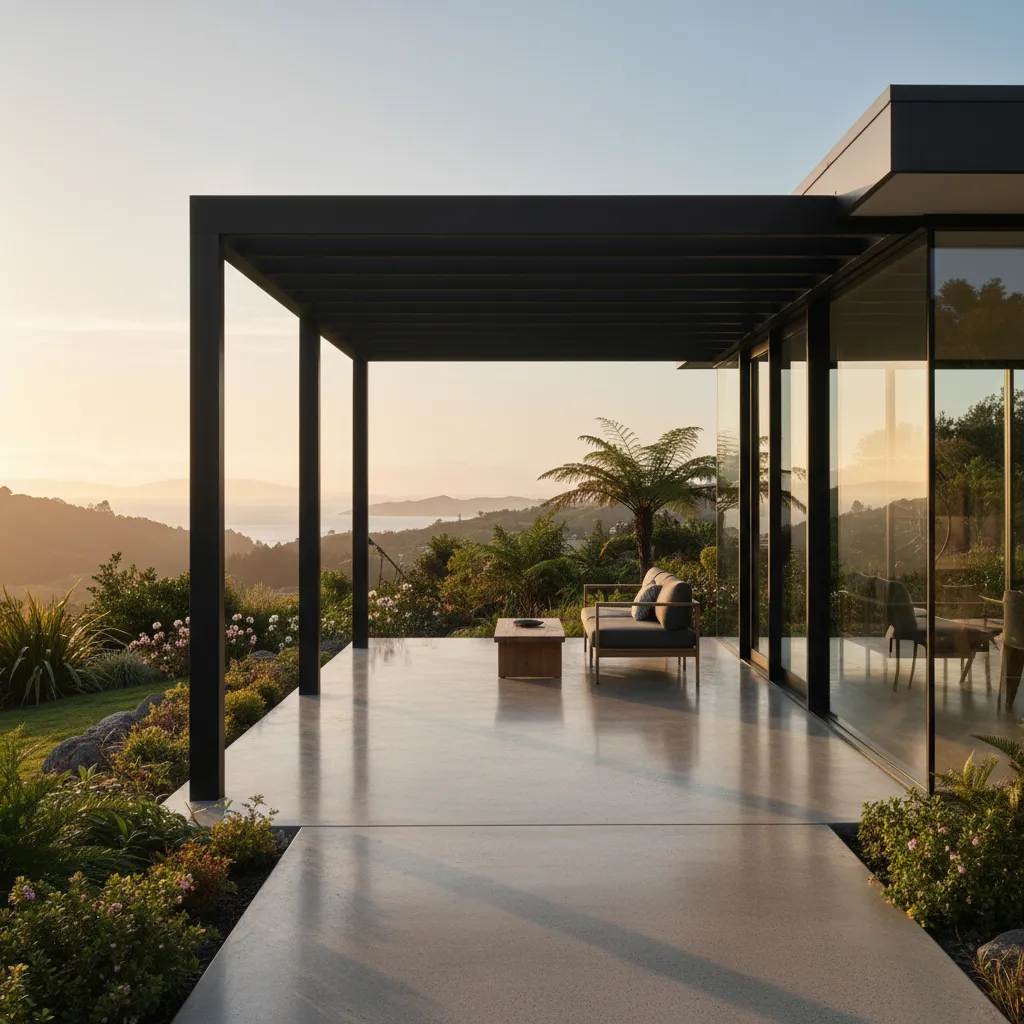
Clean Lines and Industrial Aesthetics
The hallmark of a modern pergola is its silhouette. Designers are increasingly utilizing box-section beams and hidden fixings to ensure that the visual flow is uninterrupted. Bolts, screws, and brackets are concealed within the frame, resulting in a seamless appearance that looks almost monolithic.
This industrial aesthetic is not just about looks; it speaks to the strength of the structure. By utilizing materials that allow for wider spans with fewer support posts, modern designs maintain an open, airy feel that maximizes the view—a crucial consideration for properties overlooking the coast or the ranges.
Why Are Black Aluminium Frames Trending?
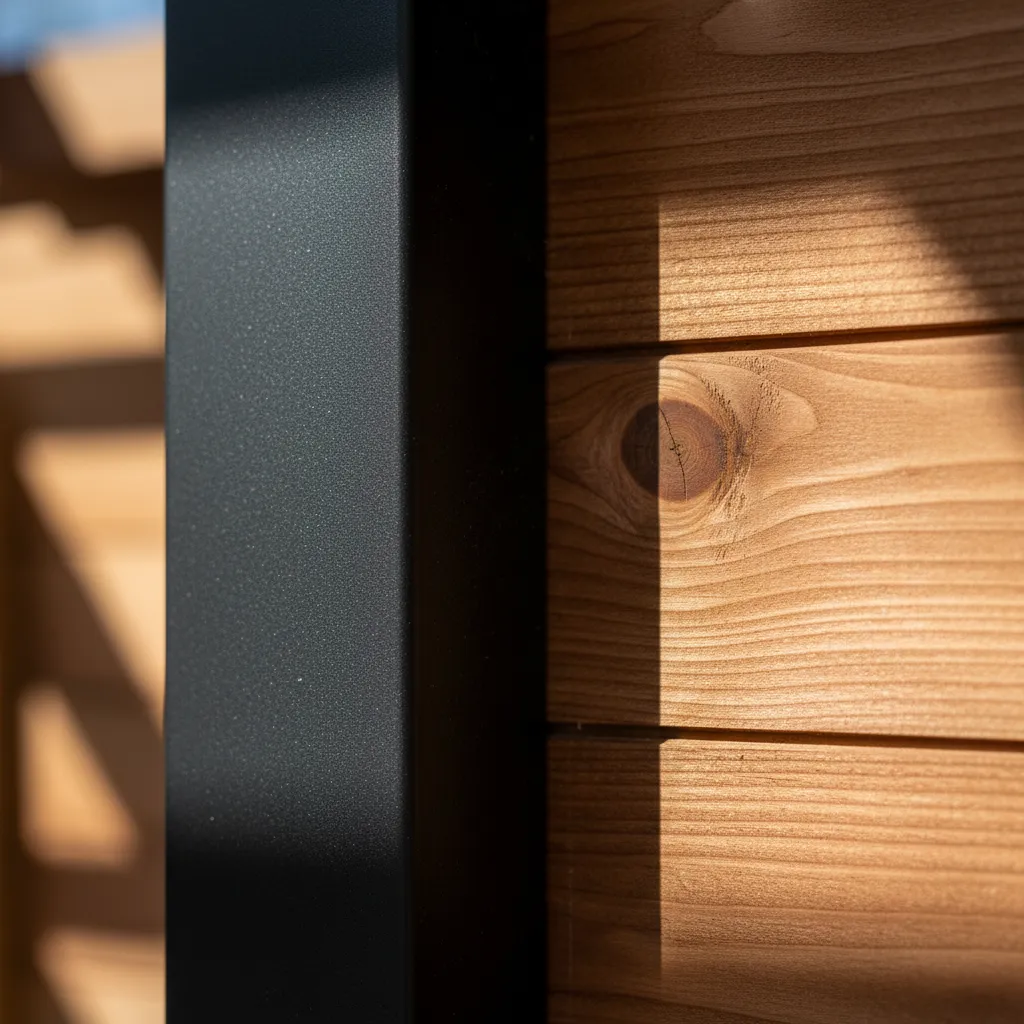
In the realm of outdoor structures, black has become the new neutral. Specifically, black powder-coated aluminium framing is dominating the market for several compelling reasons. It offers a striking visual anchor that frames the outdoor view much like a picture frame, drawing the eye without overwhelming the space.
The Aesthetic of Contrast
Black frames provide a dramatic contrast against the vibrant greens of a New Zealand garden and the blue of the sky. This high-contrast look is a staple of modern architectural design. It pairs exceptionally well with other trending materials such as cedar cladding, schist stone, and polished concrete aggregate.
Durability and Maintenance
Beyond aesthetics, aluminium is the material of choice for its longevity. Unlike timber, which can warp, rot, or require annual staining, high-grade aluminium is virtually maintenance-free. When powder-coated, it becomes impervious to rust and corrosion, making it ideal for New Zealand’s coastal environments where salt spray can rapidly degrade inferior materials.
What Are the Best Minimalist Roofing Options?
A modern pergola is defined not just by its frame, but by its roof. The roofing solution determines the usability of the space throughout the year. In modern minimalist designs, bulky roofing materials are replaced with sleek, functional systems.
Automated Louvre Systems
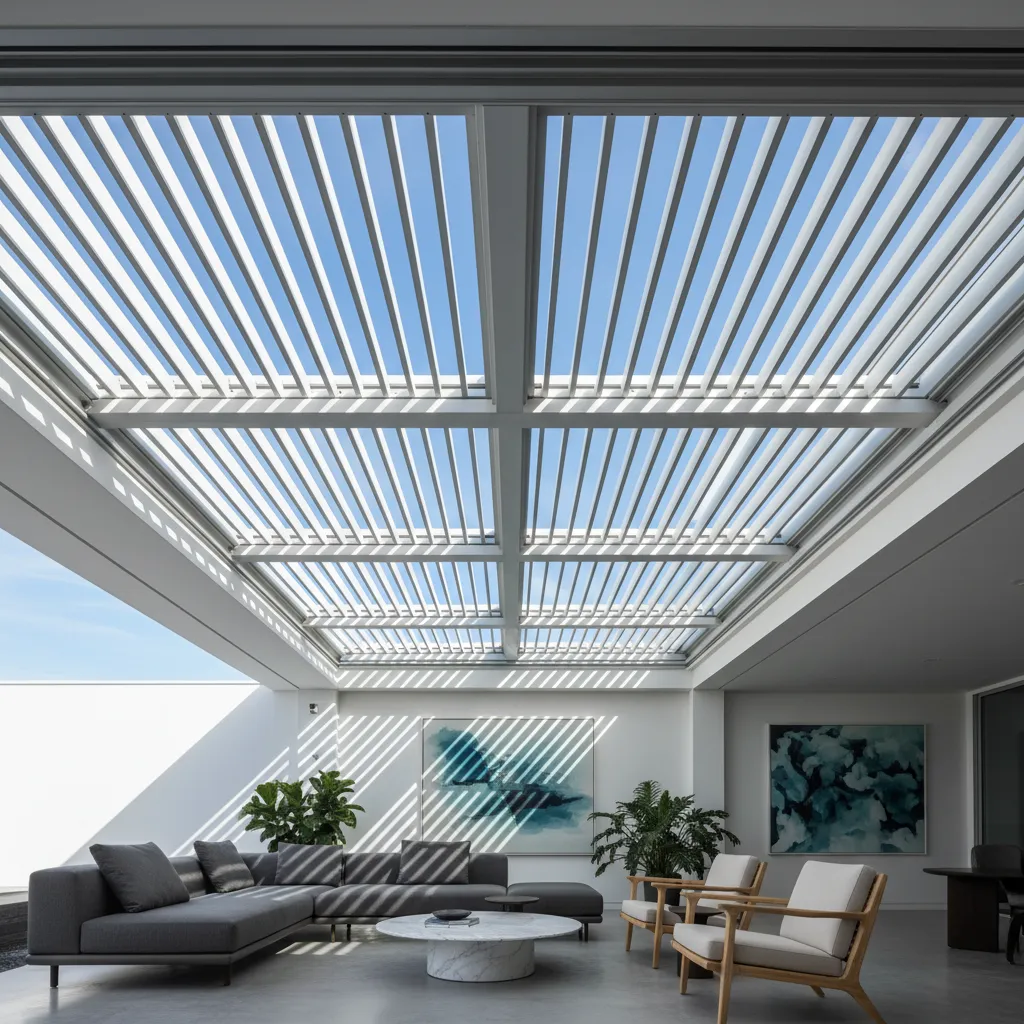
The most popular choice for high-end modern pergolas is the automated louvre roof. These systems consist of rotating blades that can open to admit sunlight or close completely to form a watertight seal against the rain. When closed, the ceiling appears flat and uniform, maintaining the minimalist vibe. When open, the angle of the blades creates dynamic shadow play on the patio below.
Fixed Glass and Polycarbonate
For areas requiring constant light but protection from rain, fixed roofing options using toughened glass or high-quality polycarbonate are excellent. To keep the design modern, these sheets are often installed with a low pitch that is barely visible from the ground, hidden behind the pergola’s fascia beams.
Retractable Canopies
For the ultimate flexibility, retractable fabric roofs offer a softer aesthetic while adhering to modern principles. High-tension architectural fabrics can be deployed on motorized tracks, disappearing entirely when not in use to leave the frame completely open to the sky.
How to Integrate Landscaping with Modern Structures
A pergola should not stand in isolation; it must be grounded in the landscape. For modern minimalist pergolas, the landscaping strategy should echo the structure’s clean lines and restraint.
Hardscaping Consistency
The flooring beneath the pergola sets the stage. Large-format pavers, honed concrete, or hardwood decking (like Kwila or Vitex) align well with modern designs. The key is to extend the indoor flooring material outwards where possible, or choose a complementary tone to blur the boundary between inside and out.
Planting for Softness
While the structure is rigid and geometric, the planting should soften the edges without creating clutter. Architectural plants are preferred over cottage-style flower beds.
- Snake Plants and Yuccas: Their vertical growth habits complement the vertical posts.
- Climbing Vines: A single species of vine, such as Star Jasmine, trained up a wire trellis can add greenery without bulk.
- Native Grasses: Mass plantings of NZ native tussocks or grasses around the base of the pergola ground the structure in its local context.
Material Durability in NZ Weather
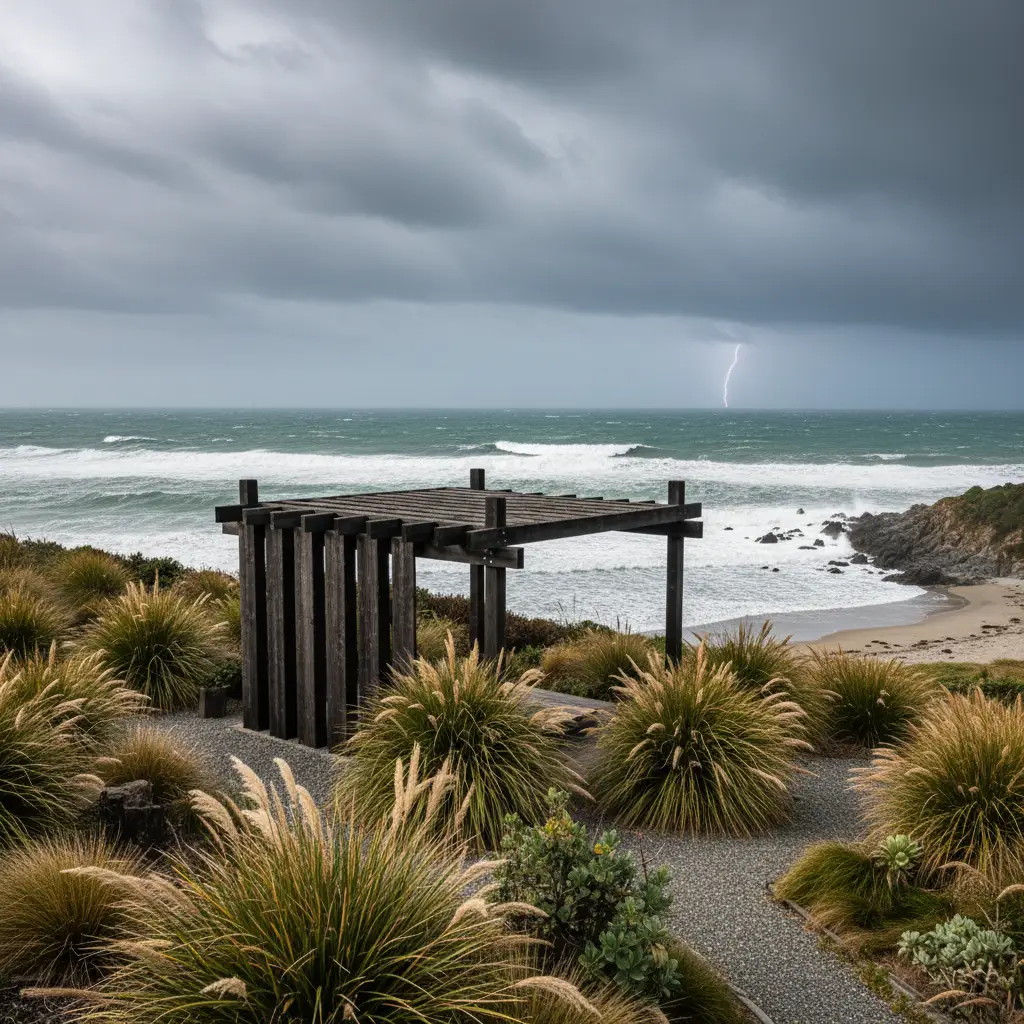
New Zealand’s weather is notoriously changeable—”four seasons in one day” is a cliché for a reason. Modern pergola designs must withstand high UV levels, heavy rainfall, and strong winds.
Aluminium vs. Steel vs. Timber
While steel offers immense strength, it is heavy and prone to rust if the galvanization is compromised. Timber offers warmth but struggles with the minimalist aesthetic due to the need for bulkier beams to achieve the same spans as metal. Aluminium strikes the perfect balance: lightweight, strong enough for significant spans, and resistant to the elements.
Wind Ratings
In wind-prone zones (like Wellington or coastal areas), the engineering of the pergola is critical. Modern aluminium systems are often engineered to specific wind zones, utilizing internal reinforcing to handle uplift forces without requiring external bracing that would ruin the clean lines.
Lighting and Tech Integration
True minimalism hides the mechanics. Modern pergolas distinguish themselves through the seamless integration of technology and utilities.
Integrated LED Lighting
Forget bolt-on floodlights. Modern designs feature LED strips recessed directly into the louvres or the perimeter beams. This provides ambient light that washes down the structure, highlighting the architectural form without visible bulbs or wires. Dimmable warm-white LEDs are the standard for creating an inviting evening atmosphere.
Heating and Audio
Infrared heaters can be flush-mounted or installed with slimline brackets that match the pergola’s color, making them nearly invisible until they are turned on. Similarly, outdoor speakers can be integrated into the corners of the frame, ensuring that the entertainment experience is high-quality but visually unobtrusive.
Cost Considerations for Modern Pergolas
Investing in a high-quality modern pergola is a significant decision. The cost is driven by the materials, the level of automation, and the size of the footprint.
Entry-Level: Fixed roof aluminium structures or manual louvre systems. These provide the look but require more user interaction.
Mid-Range: Motorized louvres with standard colors and sizes. This is the sweet spot for most homeowners, offering convenience and durability.
High-End: Fully custom architectural designs with rain sensors, integrated heating, automatic blinds (Ziptrak), and premium finishes. These are bespoke structures designed to add significant value to the property.
Frequently Asked Questions
Do modern pergolas require building consent in NZ?
Generally, pergolas under 30 square meters do not require building consent in New Zealand, provided they are not attached to the house in a way that affects the weathertightness or structure of the existing building. However, automated louvre roofs are often classified differently than open pergolas. It is crucial to check with your local council, as regulations can vary by region and specific site conditions.
Can I attach a modern pergola to an existing house?
Yes, modern pergolas can be wall-mounted or freestanding. Wall-mounting creates a seamless flow from the house, essentially adding an extra room. However, this requires careful detailing to ensure the connection is watertight and structurally sound. Freestanding units offer more flexibility in placement within the garden.
What is the difference between a pergola and a veranda?
Traditionally, a veranda is a roofed platform along the outside of a house, level with the ground floor. A pergola was historically an open framework supporting climbing plants. In modern design, the lines blur; a louvre-roofed pergola functions like a flexible veranda, offering the option of full cover or open sky.
How do I clean a powder-coated aluminium pergola?
Maintenance is minimal. Simply wash the frame with warm soapy water and a soft sponge every 3 to 6 months to remove dust, salt, and pollutants. Avoid abrasive cleaners or solvents that could damage the powder coating. Regular cleaning is especially important in coastal areas to maintain the warranty.
Are black pergolas too hot in the summer?
While black surfaces absorb heat, aluminium is a good thermal conductor and dissipates heat quickly. Furthermore, because pergolas are open structures (especially with louvres open), air circulates freely, preventing heat buildup. The shade provided by the structure far outweighs any radiant heat from the frame.
Can I add side screens to a minimalist pergola?
Absolutely. To maintain the minimalist aesthetic, look for retractable mesh screens (like Ziptrak) that are integrated into the overhead beams. These can be pulled down to provide wind protection and privacy, then hidden away completely when not in use.