
To clean a gazebo canopy effectively, remove the fabric from the frame and lay it on a flat, clean surface. Scrub gently using a soft-bristled brush and a solution of warm water and mild dish soap. For stubborn mould, use diluted white vinegar. Rinse thoroughly with a garden hose, avoiding high-pressure washers, and ensure the canopy is 100% dry before reattaching or storing.
A gazebo is the centrepiece of many New Zealand gardens, offering a sanctuary from our harsh UV rays and unpredictable rain showers. However, without proper maintenance, that pristine outdoor shelter can quickly succumb to algae, mildew, and structural stiffness. Whether you own a pop-up marquee for summer BBQs or a permanent heavy-duty structure, understanding how to clean a gazebo canopy and maintain the frame is essential for longevity.
Routine Cleaning Guide for Gazebo Canopies
Regular maintenance is far easier than trying to restore a neglected gazebo. In New Zealand, where pollen counts can be high and coastal salt air accelerates degradation, a seasonal cleaning schedule is vital. Cleaning your canopy not only improves aesthetics but prevents dirt particles from embedding into the fabric weave, which can eventually cause rotting.
Step-by-Step Cleaning Process
Follow this inverted pyramid approach to cleaning, starting with the most critical steps:
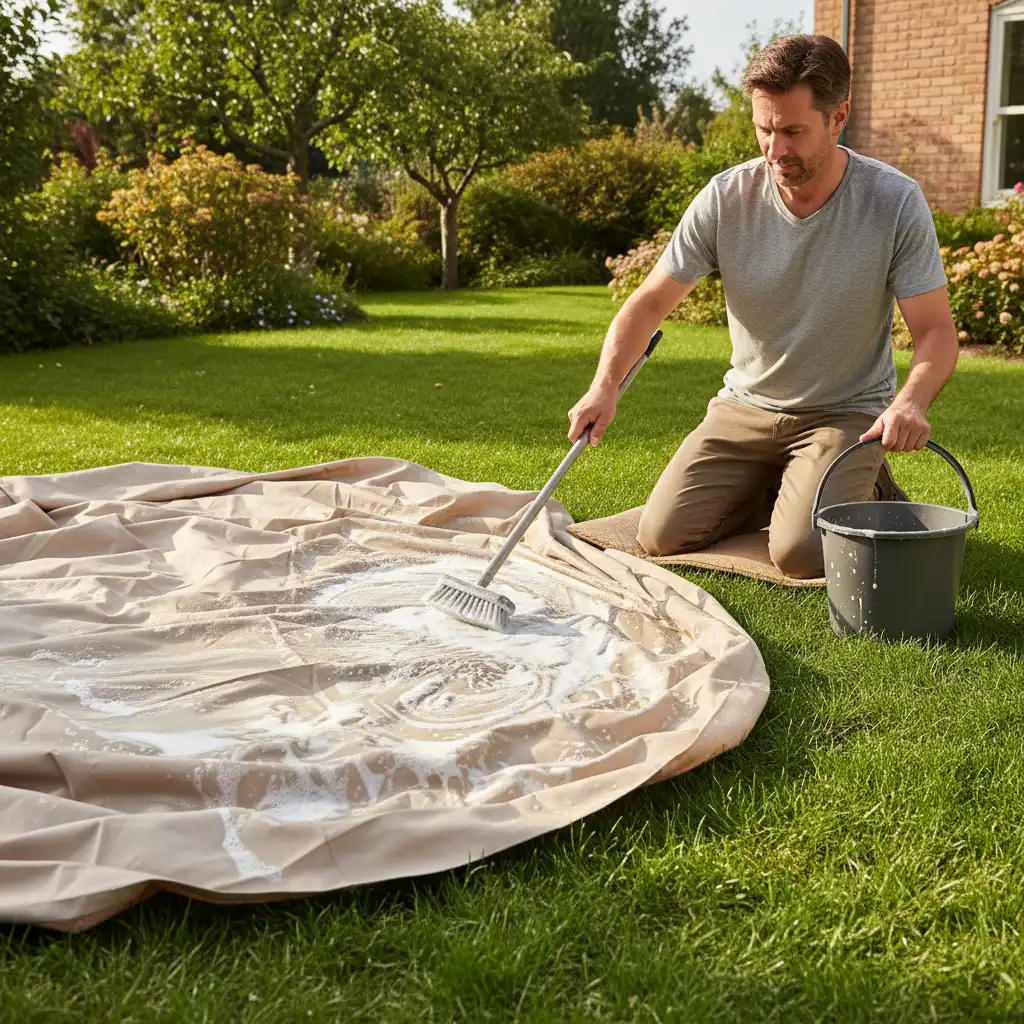
- Preparation and Detachment: Never attempt to deep clean the canopy while it is attached to the frame. The tension can cause tearing when wet. Remove the fabric carefully and lay it on a clean tarp or a swept patio. Avoid laying it directly on grass if possible, as grass stains can be difficult to remove.
- Dry Brushing: Before adding water, use a soft broom or vacuum with an upholstery attachment to remove loose debris, leaves, spiderwebs, and dried bird droppings. Wetting loose dirt simply turns it into mud, which is harder to clean.
- The Cleaning Solution: Mix a solution of warm water and mild liquid soap (standard dishwashing liquid works well). Avoid harsh detergents or bleach-based products unless absolutely necessary, as these can strip the waterproof coating.
- Gentle Scrubbing: Dip a soft-bristled brush or a non-abrasive sponge into the solution. Work in sections, scrubbing in circular motions. Pay special attention to seams and velcro attachments where dirt accumulates.
- Rinsing: Use a garden hose on a gentle spray setting to rinse the soap off. Do not use a pressure washer. The high PSI of a pressure washer can strip the UV coating, open up the fabric weave, and even tear the material.
- Drying: This is the most critical step. The canopy must be completely dry before you do anything else. Drape it over a washing line or chairs in direct sunlight.
Dealing with Specific Stains
Bird Droppings: Bird lime is acidic and can burn through fabric coatings. Scrape off solids with a plastic spoon, then treat the spot with warm water and a drop of detergent. Let it soak for 10 minutes before scrubbing.
Tree Sap: If you have placed your gazebo under a Pohutukawa or Pine, you may find sticky sap. harden the sap with an ice cube, scrape it off, and then use a small amount of rubbing alcohol or mineral spirits on a cloth to dab the residue. Test a hidden area first to ensure colourfastness.
How to Remove Mould and Algae from Canvas
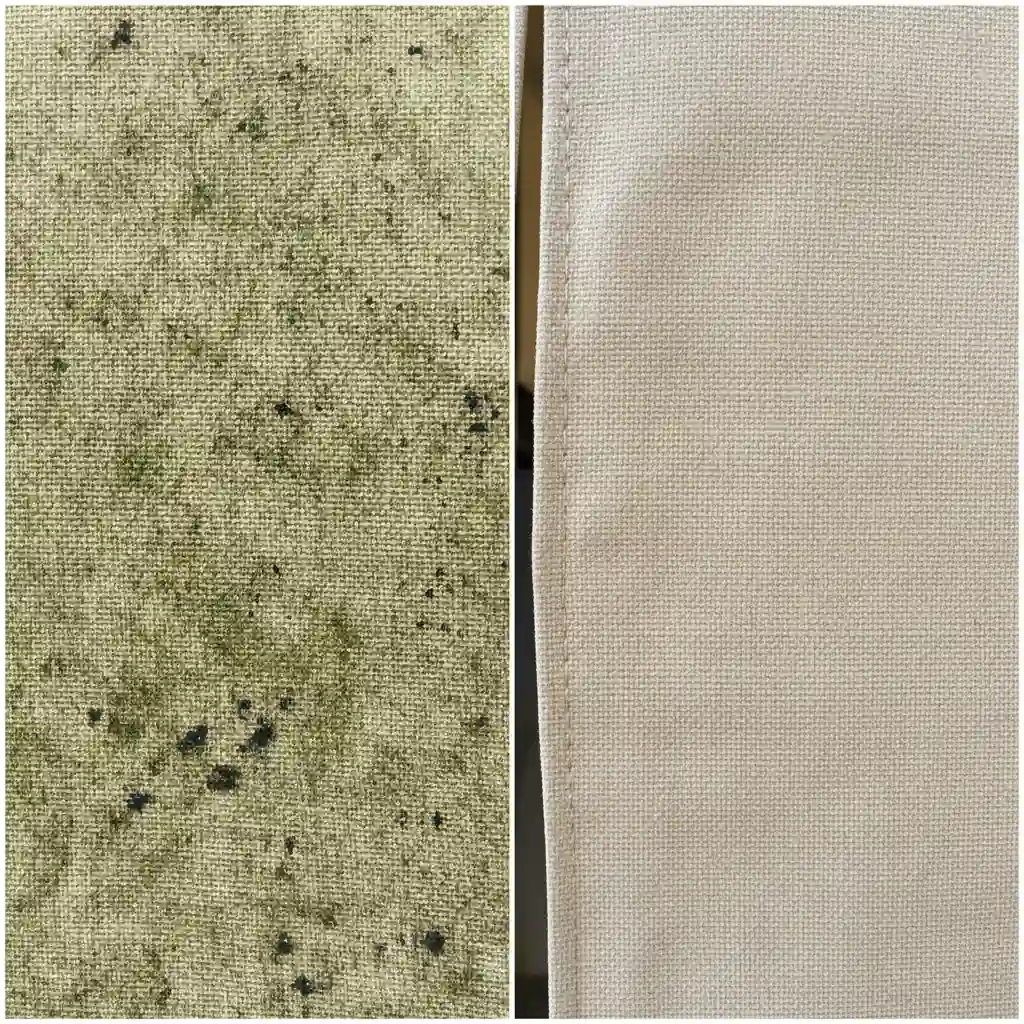
The humid climate in parts of New Zealand often leads to the rapid growth of green algae and black mould, particularly if the gazebo was packed away damp. Mould not only looks unsightly but eats away at organic fibres in canvas and polyester.
The Vinegar Solution (Eco-Friendly Method)
For a safe, non-toxic approach that won’t damage your garden plants:
- Mix distilled white vinegar and warm water in a 1:1 ratio.
- Apply the solution generously to the mouldy areas using a spray bottle.
- Let it sit for 60 minutes. The acidity of the vinegar kills the mould spores.
- Scrub gently with a soft brush.
- Rinse thoroughly.
Commercial Treatments vs. Bleach
While chlorine bleach is effective at killing mould, it is harsh on synthetic fabrics and can degrade the thread used in stitching. If you must use bleach for white canopies, dilute it heavily (1 part bleach to 10 parts water). However, we strongly recommend using specialised canvas cleaners or mould removers found at hardware stores like Mitre 10 or Bunnings, specifically designed for outdoor fabrics.
Restoring Waterproofing and UV Protection
After a deep clean, particularly if you have used stain removers, you may have inadvertently stripped the Durable Water Repellent (DWR) coating. If water soaks into the fabric rather than beading up and rolling off, it is time to re-proof.
Choosing the Right Product
Look for waterproofing sprays designed for “tents and awnings” or “marine canvas.” Products containing fluoropolymers are generally the most durable. In New Zealand’s high UV environment, look for a product that offers both waterproofing and UV inhibitors to prevent fading.
Application Guide
- Ensure Dryness: The fabric must be bone dry.
- Setup: Set the gazebo up (frame and canopy) so the fabric is taut. This ensures even coverage.
- Spray or Paint: Spray the waterproofing agent evenly from about 20cm away. Alternatively, liquid solutions can be painted on with a roller.
- Seams: Apply a second coat to the seams. Seams are the most common leakage point as the needle holes can stretch over time. You can also use a specific “seam sealer” stick for these areas.
- Curing: Allow the treatment to cure for at least 24 hours on a dry day before exposing it to rain.

Frame Maintenance and Lubrication
While the canopy gets the most attention, the frame is the skeleton of your structure. A seized frame can lead to bent struts or snapped connectors when you try to force it open.
Steel vs. Aluminium Care
Steel Frames: These are prone to rust, especially in coastal NZ areas. Inspect the frame for scratches in the powder coating. If you find rust, sand it down lightly with fine-grit sandpaper and apply a touch-up rust-inhibitor paint. Apply car wax to the legs once a season to create a barrier against moisture.
Aluminium Frames: These resist rust but can suffer from oxidation (white pitting). Wash with soapy water and protect with a silicone spray.
Lubricating the Mechanism
Pop-up gazebos rely on a concertina mechanism. If these joints are dry, friction increases.
- What to use: Use a dry silicone spray. Do not use grease or oil (like WD-40 standard oil), as these attract dust and grit, creating a grinding paste that wears down the joints.
- Where to spray: Apply silicone to the sliding brackets (sliders) on the legs and the scissor joints in the roof truss.
- Technique: Open and close the gazebo halfway several times to work the lubricant into the mechanism.
Winter Storage and Storm Preparation
The number one cause of gazebo destruction in New Zealand is leaving the structure up during high winds or winter storms. Most pop-up gazebos are designed as temporary shelters, not permanent fixtures.
The Storage Protocol
When the warmer months end, or a severe weather warning is issued, take the gazebo down. Storing it correctly is vital to prevent discovering a mouldy mess next spring.
- Clean and Dry: As mentioned, never store a damp canopy. It will mildew within days.
- Remove the Canopy: Don’t try to fold the frame with the canopy attached if you are storing it for a long period. Friction can wear holes in the fabric at the fold points.
- Fold Neatly: Fold the canopy along existing crease lines to avoid creating new weak points in the coating.
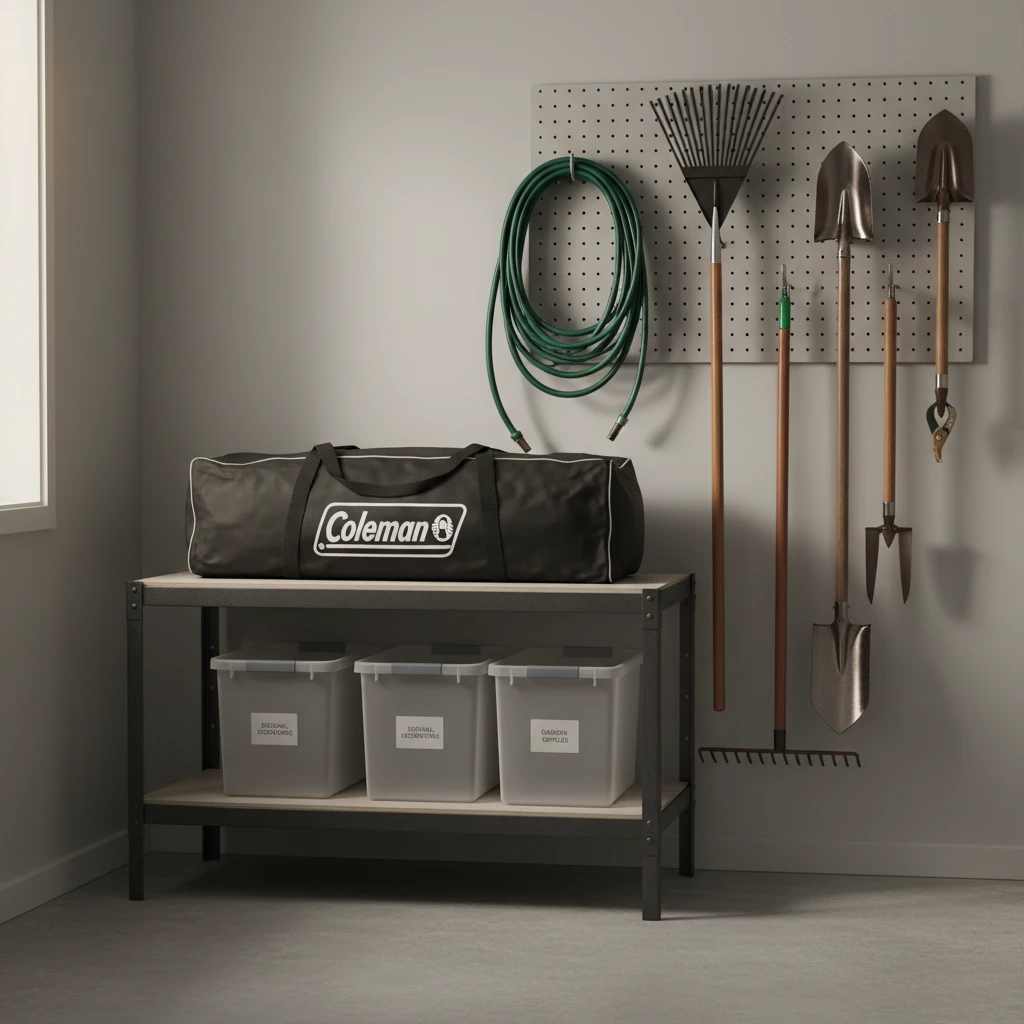
- Storage Bag: Store the frame and fabric in a heavy-duty storage bag. If your original bag has ripped, invest in a universal replacement bag.
- Location: Store in a dry, cool place. Avoid hot garden sheds where temperatures can soar, as extreme heat can cause the waterproof backing on the fabric to peel or become sticky (delamination).
Frequently Asked Questions
Can I put my gazebo canopy in the washing machine?
No, you should never put a gazebo canopy in a washing machine. The agitation cycle is too harsh and will strip the waterproof coating (PVC or PU backing) and damage the UV inhibitors. It can also damage the machine due to the heavy, stiff fabric. Always wash by hand using a soft brush.
How do I fix a tear in my gazebo canopy?
Small tears can be fixed using a repair tape specifically designed for tents and awnings (like Tenacious Tape). Clean the area with alcohol, apply the tape to both sides of the tear, and smooth out bubbles. For larger tears, you may need a canvas patch kit and a waterproof adhesive.
Why is my gazebo canopy sticky on the inside?
If the inside of your canopy feels sticky, the waterproof coating (usually PU or PVC) is likely breaking down due to age, heat exposure, or chemical damage. This process is called delamination. Unfortunately, once this happens, the fabric usually needs to be replaced as it cannot be effectively repaired.
How often should I waterproof my gazebo?
It is recommended to re-proof your gazebo canopy at least once a year, preferably at the start of the summer season. However, if you notice water stopping to bead on the surface or if you have performed a deep clean with detergents, you should re-apply waterproofing immediately.
Can I use a pressure washer to clean my gazebo?
Avoid using pressure washers. Even low settings can be too powerful for gazebo fabric, potentially causing micro-tears and stripping the protective coatings. A standard garden hose with a spray nozzle provides sufficient pressure without risking damage.
How do I remove rust from a gazebo frame?
To remove rust, lightly sand the affected area with fine sandpaper or steel wool until the rust is gone. Wipe clean, then apply a rust-inhibiting primer and a topcoat of metal paint matching your frame’s colour. Regular applications of silicone spray or car wax can prevent rust from returning.