
When choosing between shade sails and gazebos for New Zealand homes, the decision centers on flexibility versus structure. Shade sails offer a modern, architectural aesthetic with superior wind resistance and customizable coverage, often at a lower entry cost. Gazebos provide a traditional, defined outdoor room with immediate shelter but require more ground space and maintenance.
In the vibrant landscape of New Zealand outdoor living, protection from our harsh UV rays is not just a luxury—it is a necessity. Whether you are in a windy coastal zone in Auckland or enjoying the dry heat of Central Otago, creating a usable outdoor sanctuary requires the right infrastructure. Two contenders dominate the market: the architectural shade sail and the traditional gazebo. This comprehensive guide compares these two options to help you decide which is best for your property.
Cost Comparison: Budgeting for Your Backyard
When searching for “shade sails nz,” price is often the primary filter for homeowners. However, the cost disparity between sails and gazebos can be deceptive depending on whether you opt for a DIY solution or a custom architectural installation.
Shade Sails: The Scalable Investment
Shade sails offer the widest price range. You can purchase off-the-shelf DIY sails from local hardware stores for a few hundred dollars. These are generally made from lighter GSM (grams per square meter) fabric and are intended for temporary or seasonal use.
However, for a permanent solution capable of withstanding New Zealand’s variable weather, custom-made shade sails are the standard. These involve:
- Materials: Commercial-grade HDPE (High-Density Polyethylene) mesh or waterproof PVC.
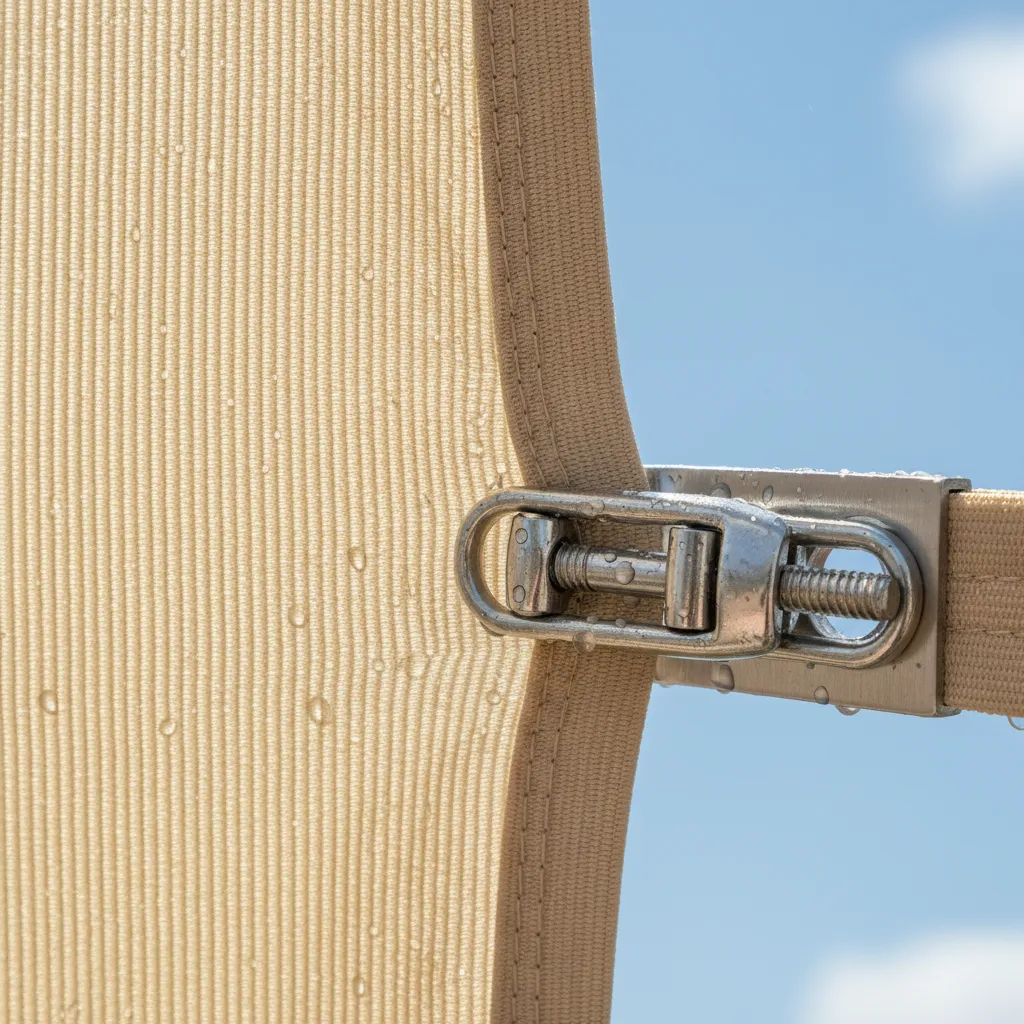
- Hardware: Marine-grade 316 stainless steel turnbuckles and fixtures.
- Poles: Galvanized steel or powder-coated posts, often requiring concrete footings.
While a high-end custom installation might cost between $2,000 and $5,000+ depending on size and engineering, they generally offer a better price-per-square-meter coverage ratio than a permanent gazebo structure.
Gazebos: The Fixed Cost Structure
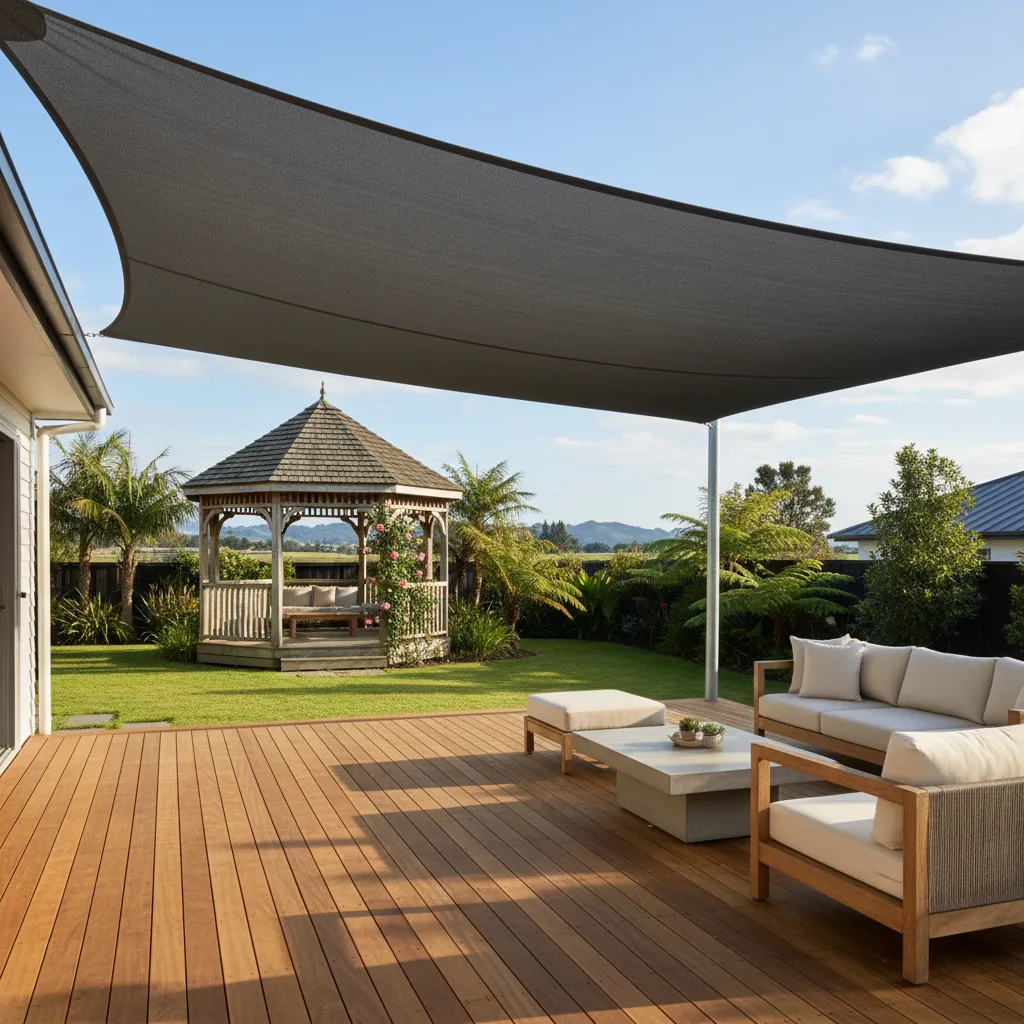
Gazebos generally have a higher entry-level price point for quality structures. While pop-up gazebos are cheap, they are not viable permanent solutions for NZ conditions. Permanent timber or aluminum gazebos involve costs for:
- Kitsets: Prefabricated aluminum louvre systems or timber kits range from $3,000 to over $15,000.
- Foundation: A gazebo requires a level, reinforced surface—often a concrete pad or reinforced deck, adding significantly to the “hidden” costs.
Installation Complexity and Structural Requirements
The installation process varies drastically between the two, influencing both the timeline and the disruption to your property.
Installing Shade Sails
The engineering behind a shade sail is based on tension. A common misconception is that you can simply tie the corners to existing fascia boards or trees. In reality, the tension loads on a shade sail—especially during a Kiwi southerly buster—are immense.
Key Installation Factors:
- Anchor Points: Requires structurally sound mounting points. If attaching to a house, internal rafters usually need reinforcement.
- Posts: Steel posts must be concreted deep into the ground (often 1/3 of the pole length) with a slight lean away from the center to handle tension.
- Hypar Design: To prevent water pooling and flapping, sails are installed with a “twist” (Hyperbolic Parabola), with high and low points.
Installing Gazebos
Gazebo installation is more about assembly than engineering tension. It is a vertical load structure.
Key Installation Factors:
- Ground Preparation: The ground must be perfectly level. This is often the most labor-intensive part.
- Assembly: Kitsets can be complex “adult Lego” projects taking several days.
- Permits: In New Zealand, structures over a certain size (usually 10-30sqm depending on council) or height may require building consent. Gazebos are more likely to trigger boundary setback rules than shade sails.
Aesthetic Differences: Modern vs. Traditional
Your choice will significantly alter the visual flow of your garden. The aesthetic impact is often the tie-breaker for homeowners.
The Visual Appeal of Shade Sails
Shade sails are synonymous with modern, contemporary architecture. They provide a “floating” aesthetic that feels airy and open. Because they don’t require a post at every corner (depending on the design), they preserve lines of sight.
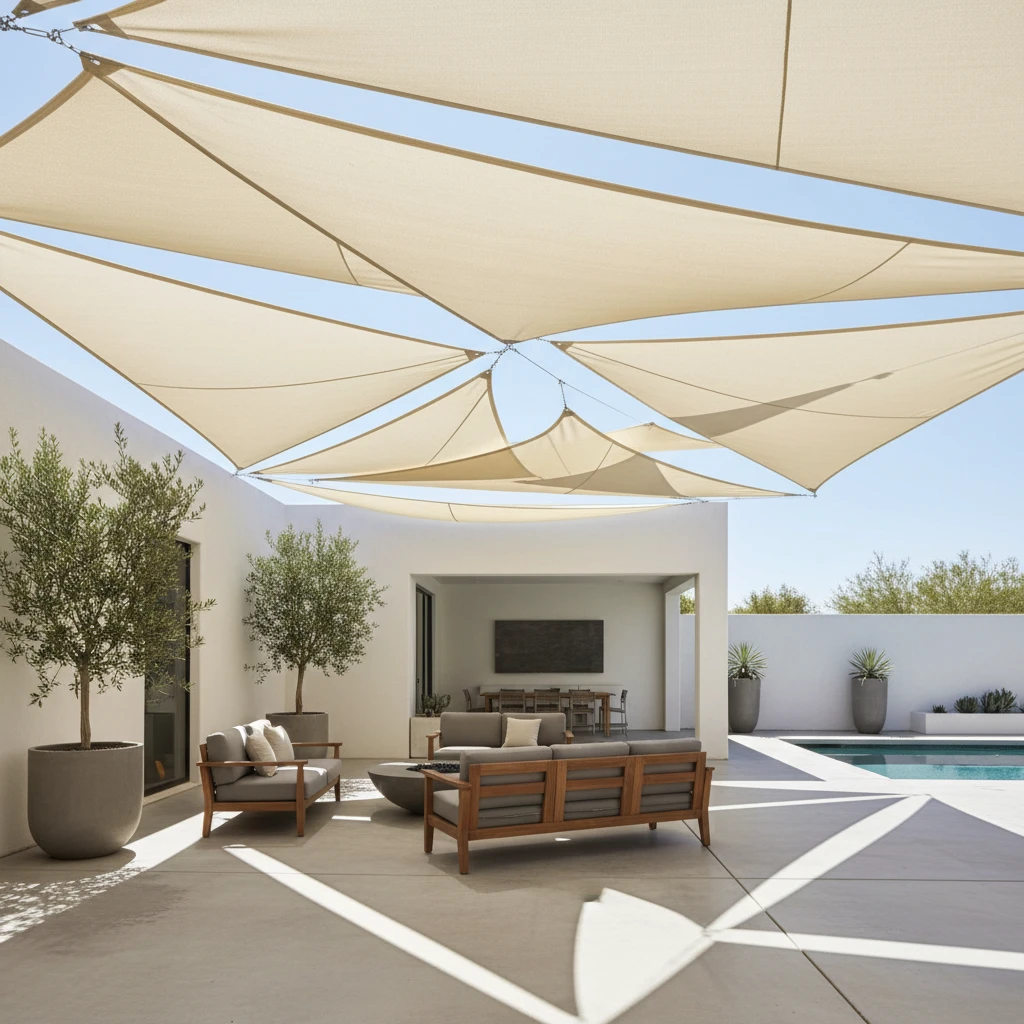
They are available in a vast array of colors, from subtle charcoals and creams that blend with modern cladding, to vibrant blues and greens. The ability to layer multiple sails creates architectural drama that a static roof cannot match.
The Visual Appeal of Gazebos
Gazebos offer a sense of permanence and enclosure. They define a specific “room” outdoors. A timber gazebo suits a rustic, cottage, or traditional garden style, while aluminum louvre systems fit modern builds. However, they are visually heavy. A gazebo blocks the view of the sky and can make a small yard feel claustrophobic compared to the open sides of a sail.
UV Protection and Weather Resistance in NZ
New Zealand’s UV index is notoriously high. The primary function of these structures is protection, but they achieve it differently.
UV Block vs. Waterproofing
Shade Sails: High-quality shade cloth is rated by UV block percentage, typically between 90% and 99%. The breathable fabric allows hot air to rise through the mesh, keeping the area underneath significantly cooler—often by 10-15 degrees. This airflow is a major advantage on humid Auckland afternoons.
Waterproof shade sails (PVC) are available but require much more robust engineering to handle wind loads, as wind cannot pass through the fabric. They effectively become a solid wing.
Gazebo Protection
A hard-roof gazebo offers 100% UV protection and 100% waterproofing. If your goal is to host dinner parties regardless of rain, a gazebo (or a waterproof PVC sail) is superior to standard shade mesh. However, hard-roof gazebos can trap heat if they lack ventilation or louvres, creating a “hot box” effect.
Durability and Maintenance
Given the salt spray in coastal NZ regions and high wind zones, durability is paramount.
Longevity of Shade Sails
A professionally installed shade sail using commercial-grade fabric (like Monotec or synthesis) usually carries a 10-15 year warranty on the fabric against UV degradation. The stitching (often Gore-Tex thread) is usually the first point of failure if not high quality.
Maintenance:
- Sails should be taken down in extreme weather events (unless engineered for permanent load).
- They require annual cleaning with mild detergent to remove lichen and bird droppings.
- Re-tensioning of turnbuckles is required periodically.
Longevity of Gazebos
Timber gazebos require regular staining or painting to prevent rot and warping. Aluminum structures are lower maintenance but can suffer from oxidation near the coast if not properly powder-coated. A well-built gazebo can last decades, but roofing materials (shingles, polycarbonate) may need replacement sooner.
Space Utilization and Functionality
How you intend to use the space dictates the structure. Do you want a flexible play area or a dedicated dining room?
Shade Sails for Flexible Space:
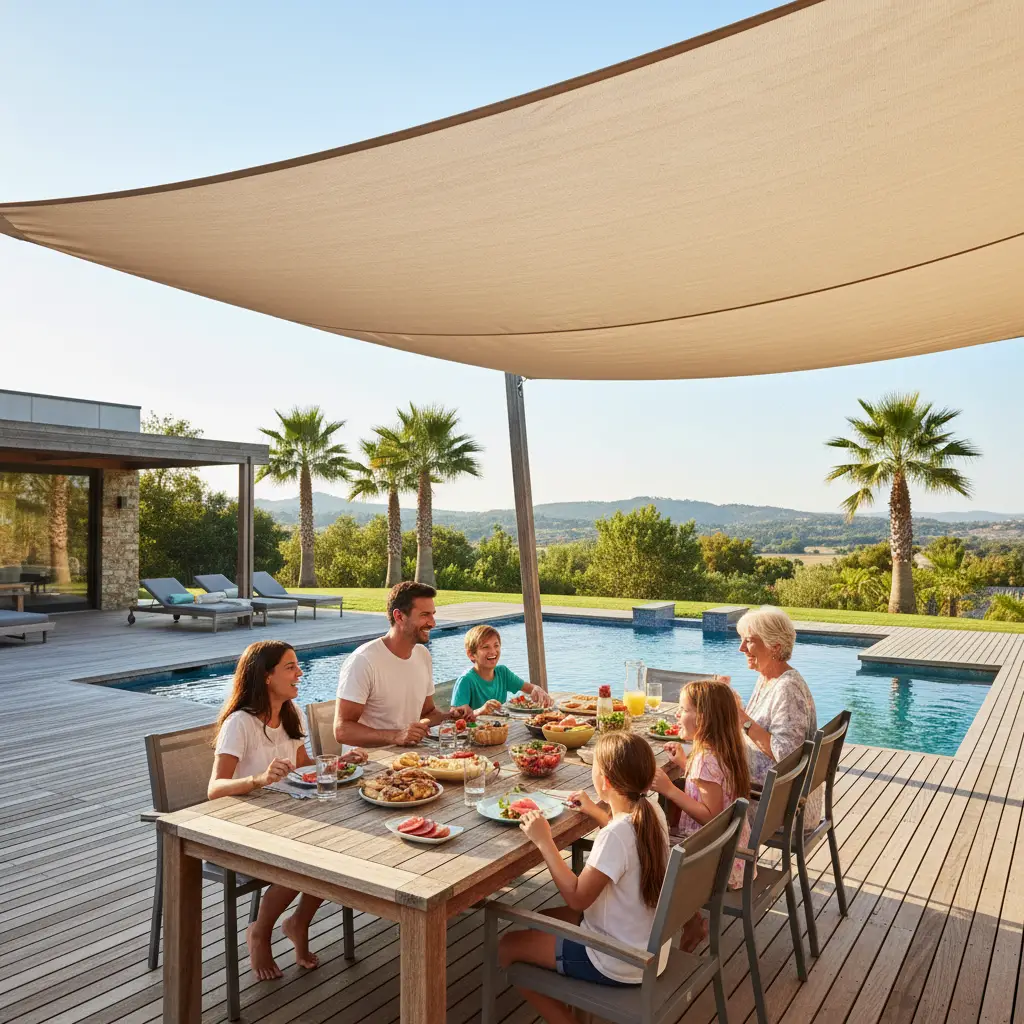
Because posts can be positioned well outside the shaded area, shade sails are excellent for covering pools, driveways, and children’s play areas. They do not obstruct the flow of traffic. The lack of walls means the space remains part of the wider garden.
Gazebos for Defined Zones:
Gazebos create a destination. They are ideal for housing outdoor kitchens, spas, or dining sets where you want to create a sense of intimacy and enclosure. However, the posts are fixed, limiting how you can rearrange furniture or use the space for other activities.
The Verdict: Which is Right for You?
Choosing between a shade sail and a gazebo ultimately comes down to your priorities regarding aesthetics, budget, and weather protection.
Choose a Shade Sail if:
- You want a modern, architectural look that adds value to your home.
- You need to cover a large or irregularly shaped area (like a pool).
- Airflow and cooling are more important than 100% waterproofing.
- You want to preserve views and open space without obstructive posts.
- You are looking for a high-impact solution with a scalable budget.
Choose a Gazebo if:
- You require a fully waterproof space for all-weather entertaining.
- You prefer a traditional aesthetic that matches a classic home design.
- You want to install lighting, fans, or heaters permanently within the roof structure.
- You have a defined, level area ready for construction.
For the majority of Kiwi backyards, where the goal is sun protection during the height of summer while maintaining an open, breezy lifestyle, shade sails nz solutions often provide the best balance of cost, style, and function.
People Also Ask
Do I need a permit for a shade sail in NZ?
Generally, shade sails under 50 square meters do not require a building consent in New Zealand, provided they are not attached to the boundary fences and do not compromise the weathertightness of the house. However, if the sail is attached to the home or exceeds certain size/height limits, or is in a high wind zone, you should check with your local council regulations.
Are shade sails waterproof?
Standard shade sails are made of HDPE mesh and are water-resistant but not waterproof; they mist during heavy rain but allow hot air to escape. Waterproof PVC shade sails are available, but they require significantly stronger engineering, posts, and footings to withstand wind loads since wind cannot pass through the fabric.
How long do shade sails last in NZ conditions?
High-quality commercial-grade shade sails typically come with a 10 to 15-year warranty against UV degradation. With proper maintenance (cleaning and tensioning) and removal during severe storms, the fabric can last upwards of 15 years, while the stainless steel hardware and galvanized posts can last indefinitely.
Can I install a shade sail myself?
Small, temporary shade sails can be a DIY project. However, for permanent custom sails, professional installation is highly recommended. The tension loads are massive, requiring deep concrete footings and structural knowledge to ensure the sail doesn’t sag, hold water, or pull structural fixings out of your house.
Is a gazebo better for wind than a shade sail?
Not necessarily. A properly engineered shade sail with a twisted (hypar) design cuts through wind very effectively. Gazebos can be sturdy, but if they are not anchored correctly, they can suffer damage. However, in extremely high wind zones, a retractable solution or a solid structure engineered for specific wind loads might be safer.
How much does a custom shade sail cost in NZ?
A custom-installed shade sail in New Zealand typically ranges from $2,500 to $5,000 for a standard residential size (e.g., 20-30 sqm), including posts, hardware, and installation. Larger commercial or complex multi-sail designs can range from $8,000 to over $15,000.