
An aluminium gazebo in NZ is the premier choice for permanent outdoor structures, offering exceptional durability against high winds, intense UV radiation, and coastal salt spray. Unlike timber, powder-coated aluminium frames provide superior rust resistance and require zero painting, making them the most cost-effective, low-maintenance solution for year-round outdoor living in New Zealand conditions.
Transforming your backyard into a functional, all-weather entertainment zone requires materials that can survive the unique New Zealand climate. From the humid sub-tropical north to the windswept coasts of the south, aluminium gazebos have emerged as the market leader for Kiwi homeowners seeking longevity and style. Whether you are looking to cover a spa pool, create a BBQ shelter, or extend your living area, understanding the specifications of high-grade aluminium structures is critical for making a sound investment.
Why Choose an Aluminium Gazebo in NZ?
New Zealand’s environment is notoriously harsh on building materials. Wooden structures often warp, rot, or require annual staining to combat UV damage. Steel, if not heavily galvanized, succumbs to rust quickly in our moisture-laden air. This is where the aluminium gazebo stands apart as the superior structural choice.
Aluminium is naturally lightweight yet incredibly strong, allowing for sleek, modern designs that do not require bulky support posts. This strength-to-weight ratio is essential for meeting NZ wind zone requirements without creating a visual obstruction in your garden. Furthermore, aluminium is non-porous and naturally resistant to corrosion, meaning it does not absorb moisture or swell like timber.
Structural Integrity and Wind Ratings
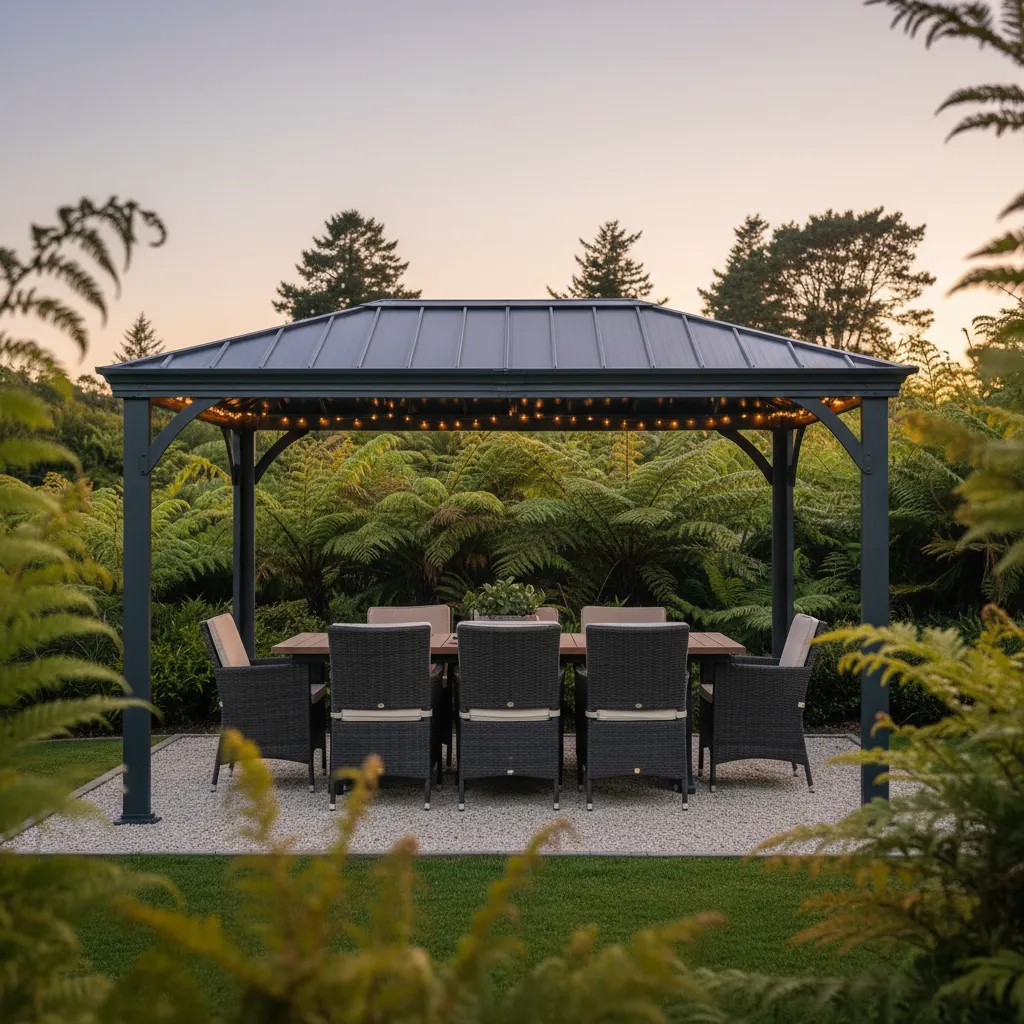
When shopping for an aluminium gazebo in NZ, you are not just buying shade; you are buying structural engineering. High-quality permanent gazebos are typically crafted from 6063-T5 architectural grade aluminium. This alloy is heat-treated to maximize strength. For New Zealanders, checking the wind rating is non-negotiable. A permanent structure should be rated to withstand wind speeds common in your specific zone—often up to 100km/h or more for high-wind areas.
The Science of Powder-Coated Durability
Raw aluminium is good, but powder-coated aluminium is exceptional. The process involves applying a dry powder—typically a thermoplastic or thermoset polymer—electrostatically and then curing it under heat. This creates a skin that is harder and tougher than conventional paint.
Why Powder Coating Matters for NZ UV Levels
New Zealand experiences some of the highest UV index levels in the world. Standard paints break down, chalk, and fade rapidly under this bombardment. High-quality powder coating used on premium gazebos contains UV stabilizers that maintain color integrity and finish for decades. This finish acts as a barrier, preventing oxidation and ensuring that your charcoal, black, or white gazebo looks brand new years after installation.
Roof Options: Polycarbonate vs. Metal Louvres
Selecting the right roof type is the most significant functional decision you will make. The market is generally divided between fixed polycarbonate roofing and adjustable aluminium louvres.
Polycarbonate Roofing
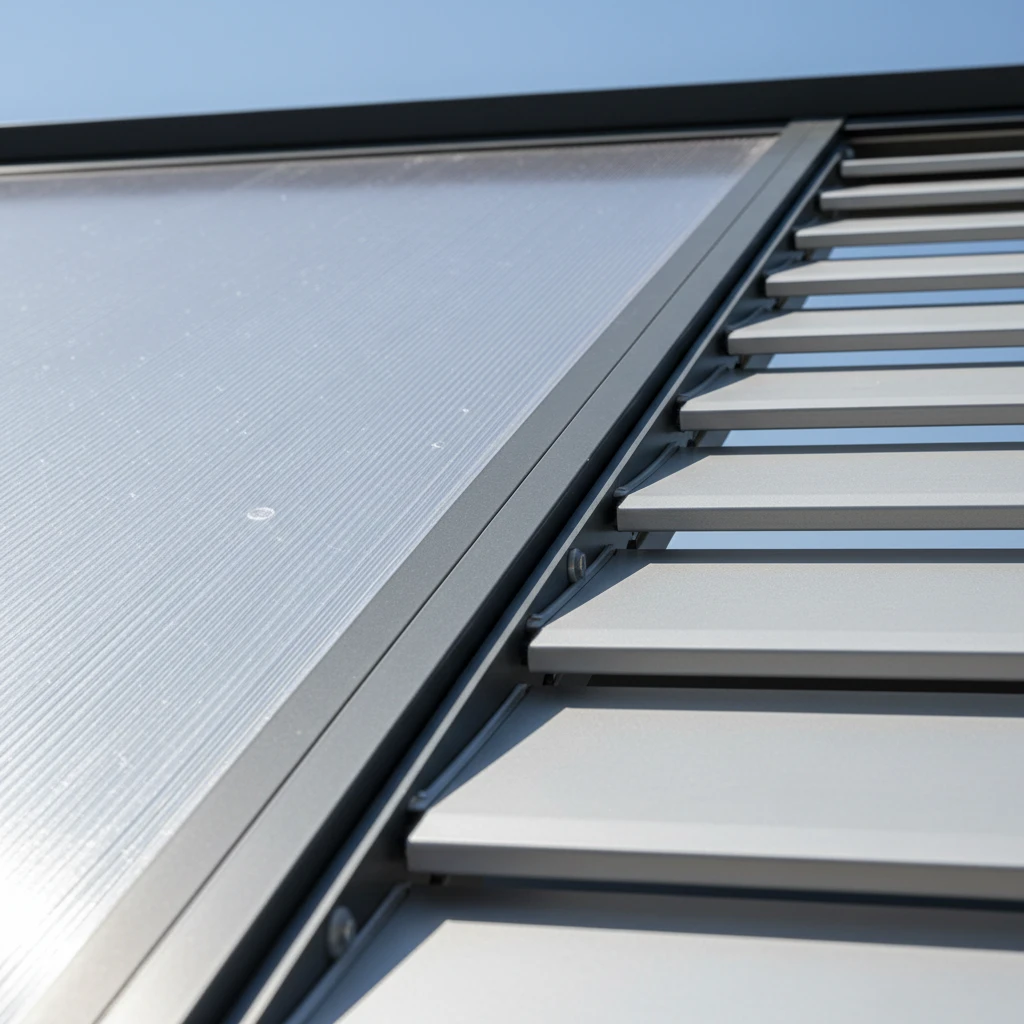
Polycarbonate is a thermoplastic polymer that is virtually unbreakable. In the context of gazebos, twin-wall or solid polycarbonate sheets are used to allow light transmission while blocking harmful UV rays.
- Pros: Keeps the area bright and airy; blocks 99% of UV rays; typically more affordable.
- Cons: Can be noisier during heavy rain; offers less ventilation than an open louvre.
- Best for: Areas where you want to retain natural light inside the adjacent house, such as over a patio door.
Adjustable Aluminium Louvre Roofs
The bioclimatic or “louvre” gazebo has become the gold standard for luxury outdoor living in NZ. These systems utilize motorized or manual cranks to rotate roof blades from 0 to 135 degrees.
- Pros: Total control over sun and shade; allows hot air to escape (ventilation effect); forms a watertight seal when closed.
- Cons: Higher price point; heavier roof load requires sturdier posts.
- Best for: Creating a versatile outdoor room that can be used in rain or shine, perfect for BBQ areas.
Rust Resistance for Coastal Areas
A significant portion of the New Zealand population lives within 5km of the sea. Salt spray is highly corrosive and accelerates the oxidation of metals, a phenomenon known as “tea staining” on stainless steel or deep rust on iron.
Aluminium naturally forms a thin, protective oxide layer when exposed to air, which prevents further corrosion. When you combine this natural defense with professional powder coating, you get a rust-proof structure. However, hardware matters. Ensure that the bolts, screws, and base plates provided with your gazebo are made from 304 or 316-grade stainless steel. While the aluminium frame won’t rust, cheap steel fixings will, potentially staining your patio.
Installation: DIY Kits vs. Professional Service
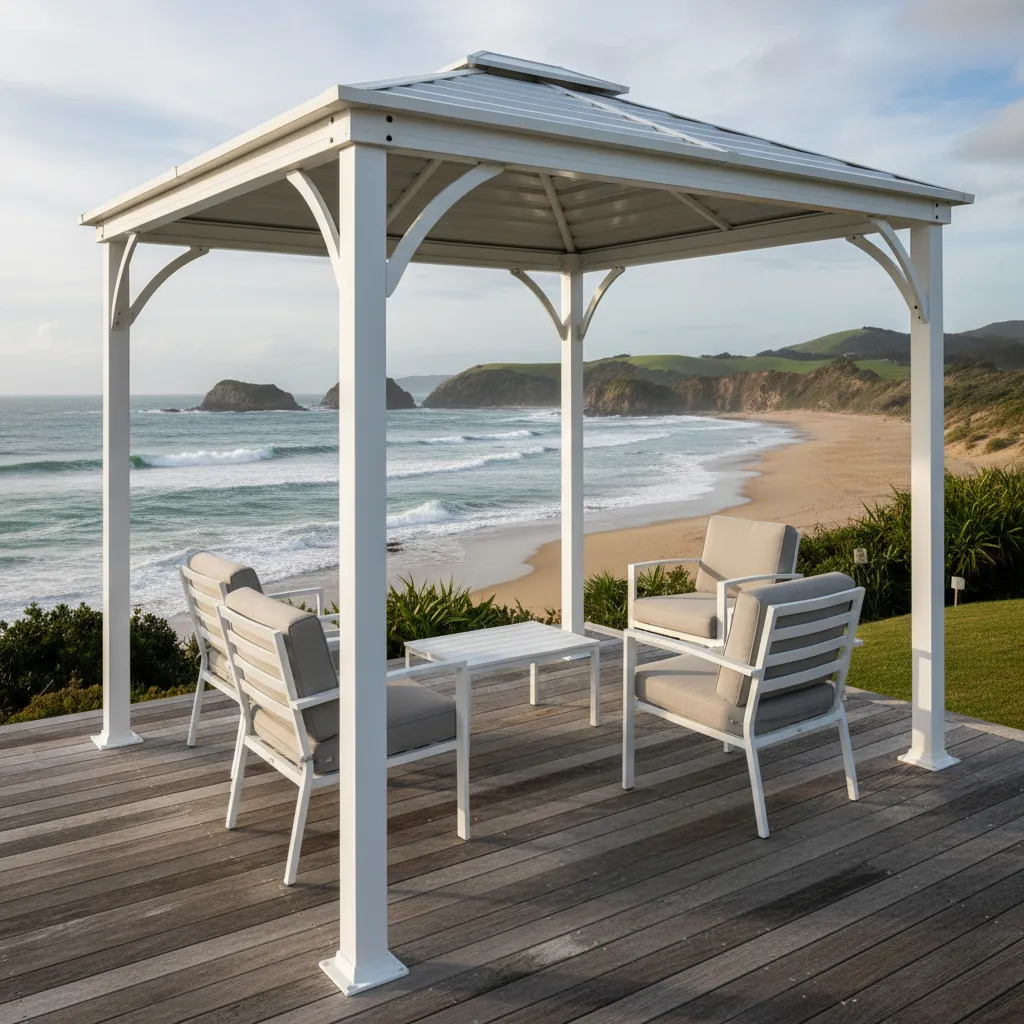
The rise of modular design has made high-end aluminium gazebos accessible to the DIY market. However, deciding between self-assembly and professional installation depends on your skills and site conditions.
The DIY Approach
Most aluminium gazebos sold in NZ come flat-packed with pre-drilled holes and comprehensive instructions. If you are handy with a drill, level, and ladder, you can save significant labor costs.
- Timeframe: A standard 3x3m or 3x4m gazebo typically takes two people 4-8 hours to assemble.
- Tools Required: Impact driver, hammer drill (for concrete anchoring), spirit level, stepladders, and measuring tape.
- Critical Step: Squaring the frame. If the frame is not perfectly square, louvres may not close properly, and roof panels may not align.
Hiring a Professional
For larger structures (e.g., 4x6m) or wall-mounted pergolas, professional installation is recommended. Professionals ensure that:
- Footings are adequate (concrete pads may need to be poured).
- The structure is anchored correctly to withstand wind uplift.
- Water runoff is managed effectively to avoid pooling near your home’s foundation.
NZ Building Consent and Regulations
Before purchasing, it is vital to understand the regulatory landscape. Generally, under the New Zealand Building Code (Schedule 1), the construction of a pergola or gazebo may be exempt from building consent if:
- The structure is not more than 20 square meters in floor area (for structures with a roof).
- Or, up to 30 square meters if the design is carried out or reviewed by a Chartered Professional Engineer (CPEng) or LBP.
- It does not contain plumbing or sanitary fixtures.
- It is located away from boundaries (usually at least its own height away) to comply with recession planes.
Note: Always check with your local council (e.g., Auckland Council, Christchurch City Council) as local unitary plans regarding site coverage and boundary setbacks still apply even if consent is not required.
Maintenance and Care for Long Life
One of the primary selling points of an aluminium gazebo in NZ is the “set and forget” nature of the material. However, a small amount of maintenance ensures it remains pristine.
Cleaning Routine
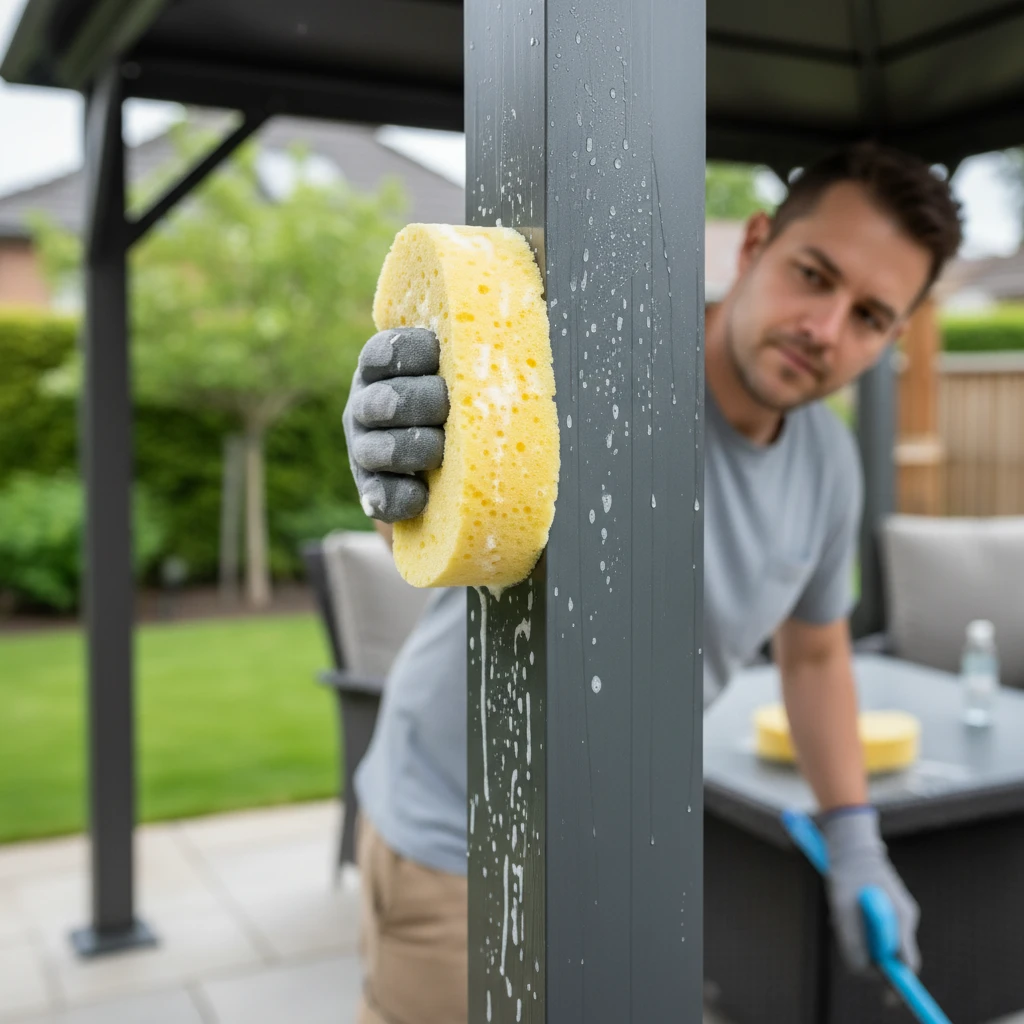
Wash the frame down every 6 months (or every 3 months in coastal zones) with warm soapy water and a soft sponge. This removes salt deposits and industrial fallout that can degrade the surface over time. Avoid abrasive cleaners or solvent-based chemicals that can dull the powder coating.
Gutter Management
Many modern aluminium gazebos feature internal guttering systems hidden within the beams. Ensure these are kept clear of leaves and debris to prevent water overflow during heavy NZ downpours. If your gazebo has louvres, open them fully to clean the blades and lubricate the pivot points with a silicone spray once a year.
Final Thoughts on Outdoor Living Investments
Investing in a permanent aluminium gazebo is one of the most effective ways to increase the usable footprint of your home. It bridges the gap between indoor comfort and outdoor freedom, providing a sheltered haven for BBQs, spa pools, or simply relaxing with a book.
For the New Zealand market, the choice is clear: the resilience of powder-coated aluminium outperforms timber and steel in almost every metric relevant to our climate. By selecting a rust-resistant, wind-rated structure, you are adding value to your property and securing a lifestyle upgrade that will last for decades.
People Also Ask
Do I need a permit for a gazebo in NZ?
Generally, gazebos under 20 square meters (or 30 square meters if built by a professional/LBP) are exempt from building consent in New Zealand, provided they meet improved building code requirements regarding distance from boundaries and height. However, you must always comply with local council planning rules regarding site coverage and daylight recession planes.
How long do aluminium gazebos last?
High-quality powder-coated aluminium gazebos are designed to last 15 to 20 years or more with minimal maintenance. The aluminium frame itself is virtually indestructible in normal weather conditions, while the powder coating protects it from oxidation and fading.
Can aluminium gazebos withstand strong winds?
Yes, premium aluminium gazebos are engineered to withstand significant wind loads. However, they must be properly anchored to a solid foundation (concrete or reinforced deck structure). Always check the manufacturer’s wind rating, especially if you live in a High or Very High wind zone in NZ.
Is a polycarbonate or louvre roof better?
It depends on your needs. Polycarbonate is better if you want to maintain light transmission to adjacent rooms and save on cost. Louvre roofs offer superior versatility, allowing you to control ventilation and block out rain completely, but they come at a higher price point.
Do aluminium gazebos get hot?
Aluminium is a conductor of heat, so the frame can get warm in direct sunlight. However, aluminium cools down very quickly compared to other materials. Louvre roofs are excellent for cooling because they can be slightly opened to create a “chimney effect,” allowing hot air to rise and escape.
Can I install an aluminium gazebo on a wooden deck?
Yes, you can install an aluminium gazebo on a wooden deck, but you must ensure the fixings go into the structural joists or bearers underneath the decking boards. Standard decking boards alone are not strong enough to hold the uplift force of the wind. Reinforcing blocks may need to be added under the deck.