
Choosing between a timber vs aluminium pergola in NZ depends on balancing the natural, rustic warmth of wood with the sleek, low-maintenance durability of aluminium. Timber offers traditional craftsmanship and lower initial costs, while aluminium provides superior span capabilities, resistance to New Zealand’s harsh UV and coastal salt spray, and long-term structural integrity without warping.
Aesthetic Clash or Modern Contrast: Finding Your Architectural Style
When evaluating timber vs aluminium pergolas in the New Zealand context, the first consideration is almost always visual. The architectural landscape in NZ ranges from traditional villas in Ponsonby to ultra-modern, glass-heavy builds in Queenstown. Each material brings a distinct personality to an outdoor living space.
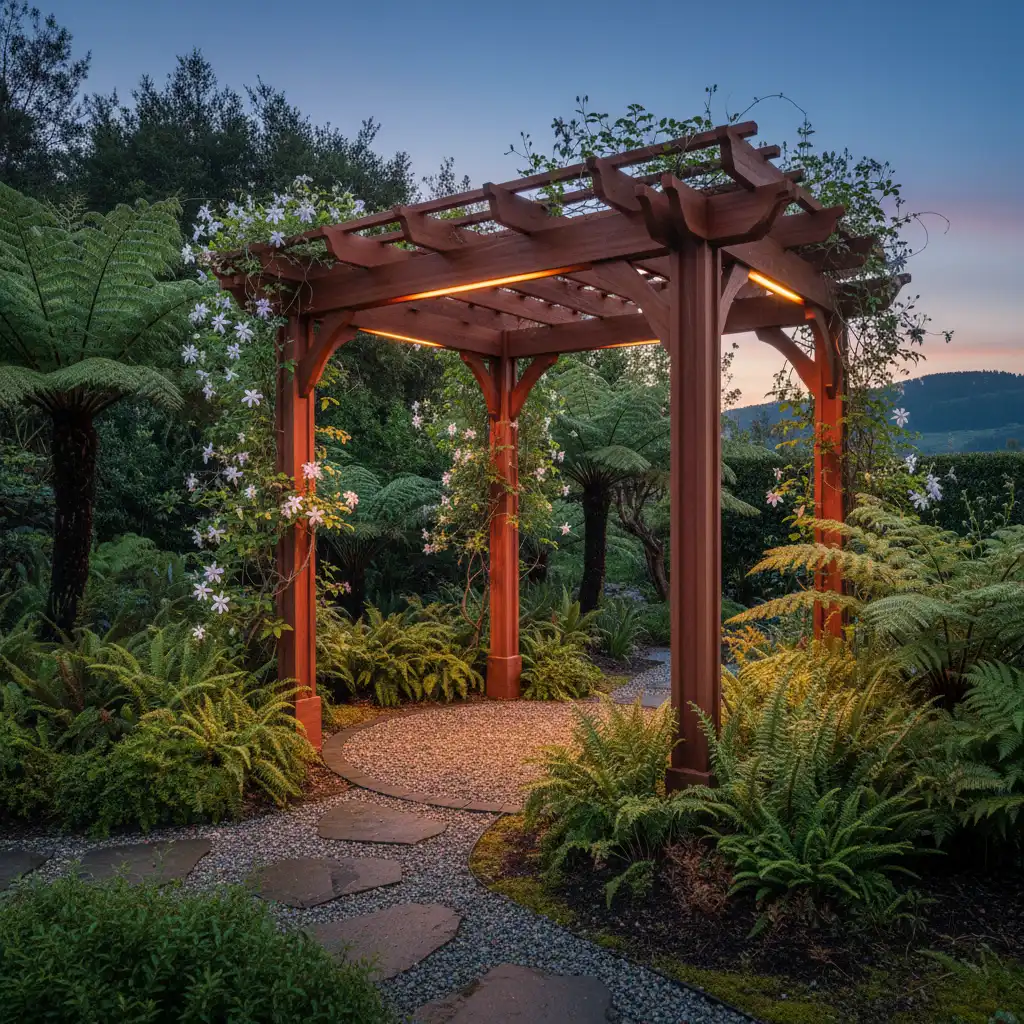
Timber is the legacy choice. It offers an organic texture that aluminium cannot fully replicate. For homeowners or commercial developers looking to create a soft, “lived-in” feel, timber—specifically New Zealand-grown Radiata Pine or imported Western Red Cedar—is the gold standard. It integrates seamlessly with lush landscaping, climbing vines, and natural stone paving. The “warmth” of wood is both literal and figurative; it doesn’t reflect heat as intensely as metal and feels softer to the touch.
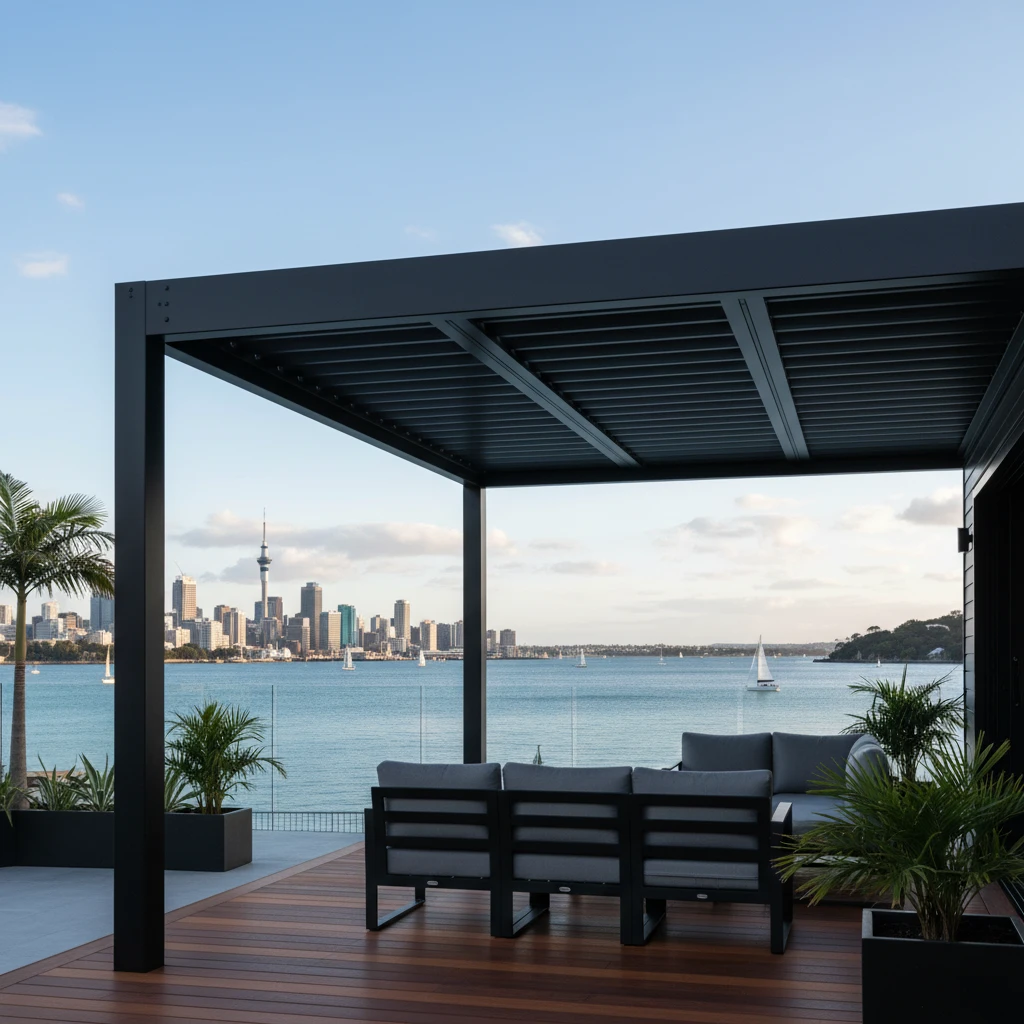
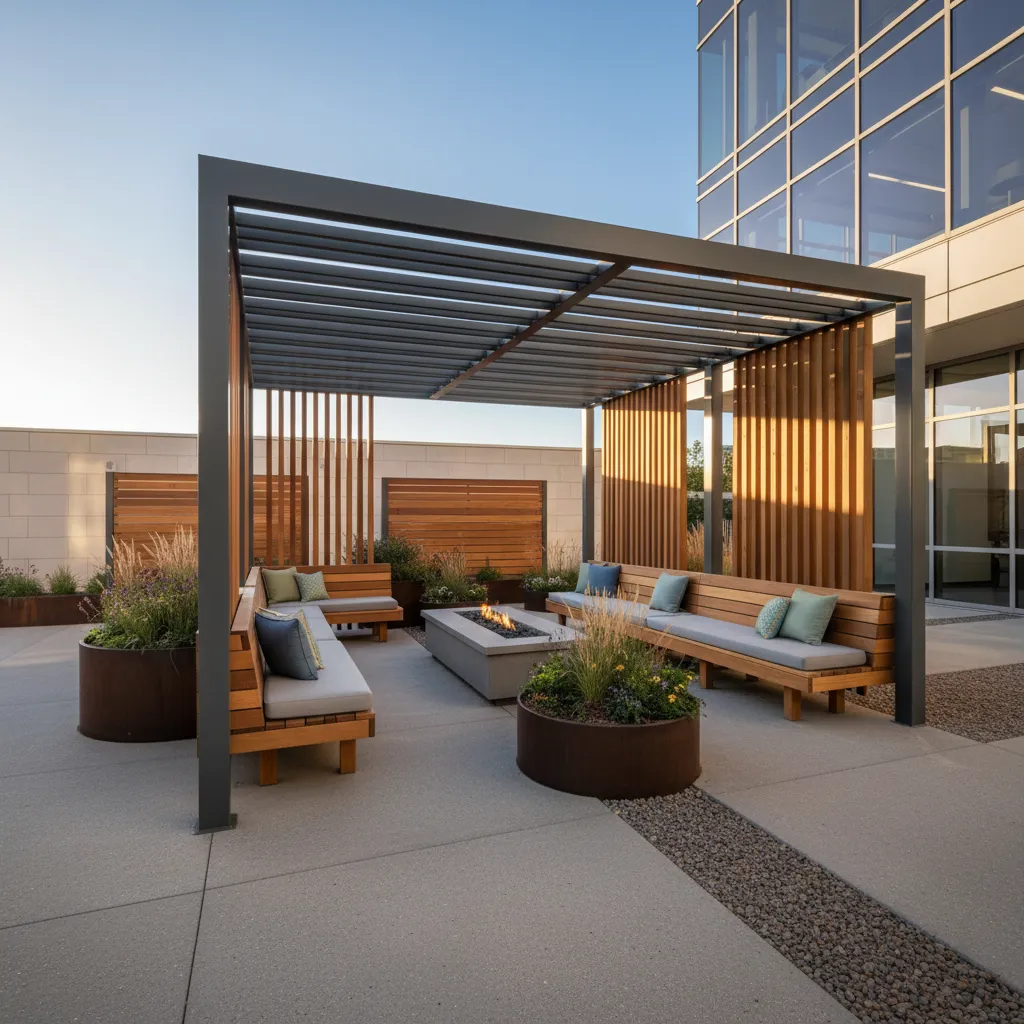
Conversely, aluminium represents the pinnacle of modern architectural integration. With clean lines, hidden fixings, and the ability to achieve incredibly slim profiles, aluminium pergolas complement the “less is more” philosophy of contemporary NZ design. For commercial spaces like rooftop bars or high-end restaurants, aluminium offers a professional, polished finish that aligns with modern branding. It allows for a “modern contrast” where the structure stands out as a piece of engineering rather than trying to blend into the foliage.
Maintenance Realities: Painting vs. Powder Coating
In the New Zealand climate, maintenance is not just a cosmetic concern; it is a structural necessity. Our high UV index and high salt content in coastal air (which affects almost the entire country) act as aggressive catalysts for material degradation.
The Timber Cycle: Staining and Structural Integrity
Timber is a porous, biological material. Even the highest quality H3.2 or H5 treated timber will eventually succumb to the elements if not maintained. In NZ, a timber pergola typically requires a fresh coat of stain or oil every 12 to 24 months to prevent silvering, cracking, and moisture ingress. If you choose to paint your timber pergola to match your home’s joinery, you are committing to a cycle of sanding and repainting every 5 to 7 years. Failure to maintain the surface can lead to rot, particularly at the joints where water tends to pool.
The Aluminium Advantage: Powder Coating Longevity
Modern aluminium pergolas utilize architectural-grade powder coating (such as Dulux Duratec or Interpon). This finish is baked onto the metal, creating a hard, non-porous shield that is highly resistant to fading and scratching. For commercial properties, this is a significant advantage. The “set and forget” nature of aluminium means lower operational costs over the lifespan of the structure. Maintenance usually involves nothing more than a seasonal wash with soapy water to remove salt deposits and grime. For properties within 500 meters of the ocean, aluminium is the undisputed champion of longevity.
Span Capabilities and Engineering: How Big Can You Go?
Structural engineering is where the technical differences between timber vs aluminium pergolas in NZ become most apparent. Commercial projects often require large, open spans to accommodate outdoor dining or event spaces without the obstruction of numerous support posts.
Timber Constraints
Timber is heavy. To achieve a large span with timber, the beams must be significantly deep (thick). For example, a 6-meter span in timber might require a massive glulam beam that is visually heavy and expensive to install. Timber is also prone to “sagging” over time if the spans are pushed to their limit, especially under the weight of wet snow in regions like Otago or heavy rain in the North Island.
Aluminium’s Strength-to-Weight Ratio
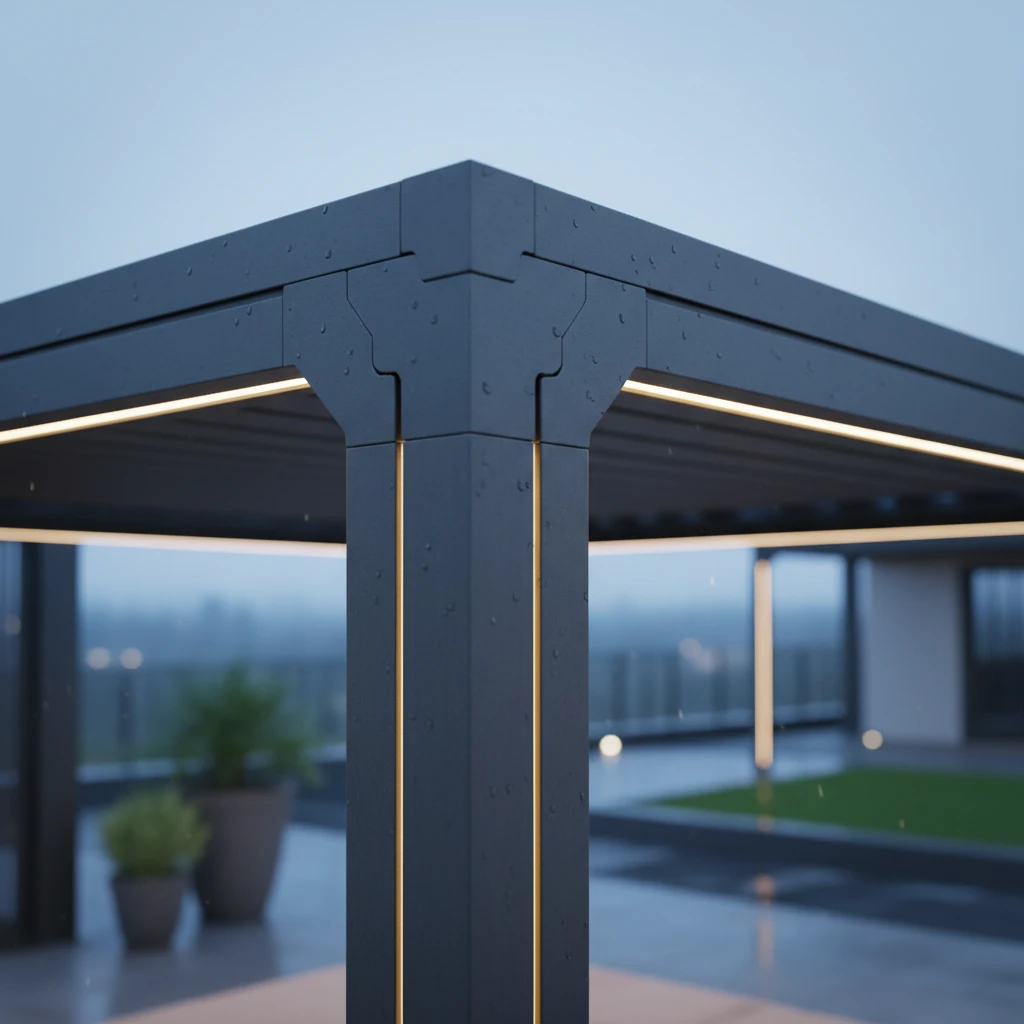
Aluminium is remarkably light yet structurally rigid. This allows for much longer spans with thinner profiles. Modern aluminium systems can easily span 6 to 7 meters between posts without significant deflection. This creates a “floating” aesthetic that is highly sought after in luxury residential and commercial architecture. Furthermore, aluminium extrusions can be engineered with internal chambers that house integrated guttering systems and LED lighting, something that is difficult and messy to achieve with solid timber beams.
Cost Comparison for Bespoke Designs: Initial Outlay vs. Long-term ROI
When discussing the cost of a timber vs aluminium pergola in NZ, it is essential to distinguish between the “sticker price” and the “lifecycle cost.”
- Initial Investment: A basic timber pergola built from treated pine is almost always the cheapest entry point. However, once you move into high-end hardwoods like Vitex or Kwila, or premium Western Red Cedar, the price gap between timber and aluminium narrows significantly.
- Installation Costs: Timber requires on-site cutting, drilling, and finishing, which can be labor-intensive. Aluminium systems are often prefabricated in a factory and assembled on-site like a high-precision kit, which can reduce the time spent by contractors on your property.
- Maintenance Costs: As noted previously, timber requires ongoing financial investment in stains, oils, and labor. Over a 10-year period, the maintenance costs of a timber pergola can easily exceed $5,000 – $10,000 depending on the size and complexity.
- Property Value: In the NZ real estate market, a high-quality aluminium louvre or pergola system is often viewed as a permanent architectural addition, similar to a high-end kitchen or bathroom, potentially offering a higher ROI upon resale compared to a weathered timber structure.
Environmental Impact and Sustainability in the NZ Construction Sector
Sustainability is a growing concern for NZ architects and developers. Both materials have “green” credentials, but they sit on different ends of the spectrum.
Timber is a renewable resource, especially when sourced from FSC-certified New Zealand forests. It sequesters carbon, making it an excellent choice for carbon-neutral building goals. However, the chemical treatments (like CCA or ACQ) required to make timber survive the NZ outdoors can be an environmental concern at the end of the product’s life.
Aluminium requires significant energy to produce initially (smelting). However, New Zealand’s Tiwai Point smelter uses primarily renewable hydroelectric power. More importantly, aluminium is infinitely recyclable. Approximately 75% of all aluminium ever produced is still in use today. From a circular economy perspective, an aluminium pergola is a highly sustainable choice because it will never end up in a landfill.
NZ Building Code and Compliance: What You Need to Know
In New Zealand, the Building Act 2004 and the recent 2020 exemptions play a huge role in pergola selection. Under Schedule 1, many pergolas no longer require a building consent, provided they meet certain criteria (usually being under 20 or 30 square meters and meeting height-to-boundary requirements).
However, commercial installations almost always require professional engineering oversight. Aluminium systems often come with pre-approved producer statements (PS1), which makes the council consenting process significantly smoother. Timber designs often require bespoke engineering calculations for every project, which can add time and cost to the planning phase. If you are building in a high-wind zone (common in Wellington or coastal Canterbury), the structural rigidity of aluminium often makes it the safer, more compliant choice.
Final Verdict: Which Should You Choose?
Choose Timber if you prioritize a traditional, organic aesthetic, are working with a tighter upfront budget, and don’t mind the biennial ritual of staining and maintenance. It is perfect for heritage homes and cottage-style gardens.
Choose Aluminium if you want a modern, high-performance structure that requires zero maintenance, offers massive spans, and will withstand the harshest New Zealand coastal conditions for decades. It is the superior choice for commercial hospitality and high-value modern residential builds.
People Also Ask
Does an aluminium pergola add more value than timber in NZ?
Generally, yes. Because aluminium pergolas are seen as low-maintenance, permanent architectural features, they often hold their value better in the New Zealand real estate market compared to timber, which can look aged or weathered if not meticulously maintained.
How long does a timber pergola last in NZ?
A well-maintained H3.2 treated timber pergola can last 15-20 years. However, without regular staining or painting, the NZ sun and rain can cause significant structural degradation within 7-10 years.
Do I need a building consent for a pergola in NZ?
As of 2020, many outdoor structures up to 20-30 square meters are exempt from building consent, provided they are associated with a dwelling and meet certain height-to-boundary rules. Always check with your local council as rules vary by region.
Is aluminium more expensive than cedar for outdoor structures?
The initial cost is often comparable. While basic pine is cheaper, high-grade Western Red Cedar is a premium product. When you factor in the labor for staining and the long-term maintenance of cedar, aluminium is often the more cost-effective choice over 10 years.
Can aluminium pergolas be customized for a rustic look?
Yes, many modern aluminium systems offer wood-grain powder-coat finishes (like DecoWood). These provide the visual texture of timber with the structural benefits and low maintenance of metal.
Which material is better for coastal properties in Auckland or Wellington?
Aluminium is significantly better for coastal environments. Salt spray accelerates rot in timber and corrodes fixings. Marine-grade powder-coated aluminium is specifically designed to resist salt-air corrosion.