
Selecting heritage paint colours for NZ outdoor settings requires balancing historical accuracy with modern durability. It involves pairing traditional lead-free weatherboard tones—such as colonial creams and linens—with contemporary roofing colours like Grey Friars or Ironsand. Successful integration relies on matching Light Reflectance Values (LRV) and utilizing UV-resistant architectural powder coats for seamless outdoor living additions.
The Philosophy of Heritage Integration in New Zealand
New Zealand’s architectural landscape is defined by a unique juxtaposition: the romantic charm of turn-of-the-century Villas and Bungalows meeting the robust demands of modern outdoor living. For homeowners and developers, the challenge lies not just in restoration, but in integration. When installing modern architectural features—such as automated opening louvre roofs, expansive decking, or aluminium joinery—the choice of heritage paint colours NZ outdoor becomes the linchpin of the project’s success.
The goal is to respect the provenance of the property while acknowledging that how we live has changed. We no longer hide indoors; we extend our living areas outward. Therefore, the colour palette must transition seamlessly from the historical cream weatherboards to the contemporary powder-coated structures that define modern Kiwi backyards. This requires a deep understanding of colour theory, specifically how New Zealand’s harsh natural light affects perception, and the technical constraints of modern paint technologies.
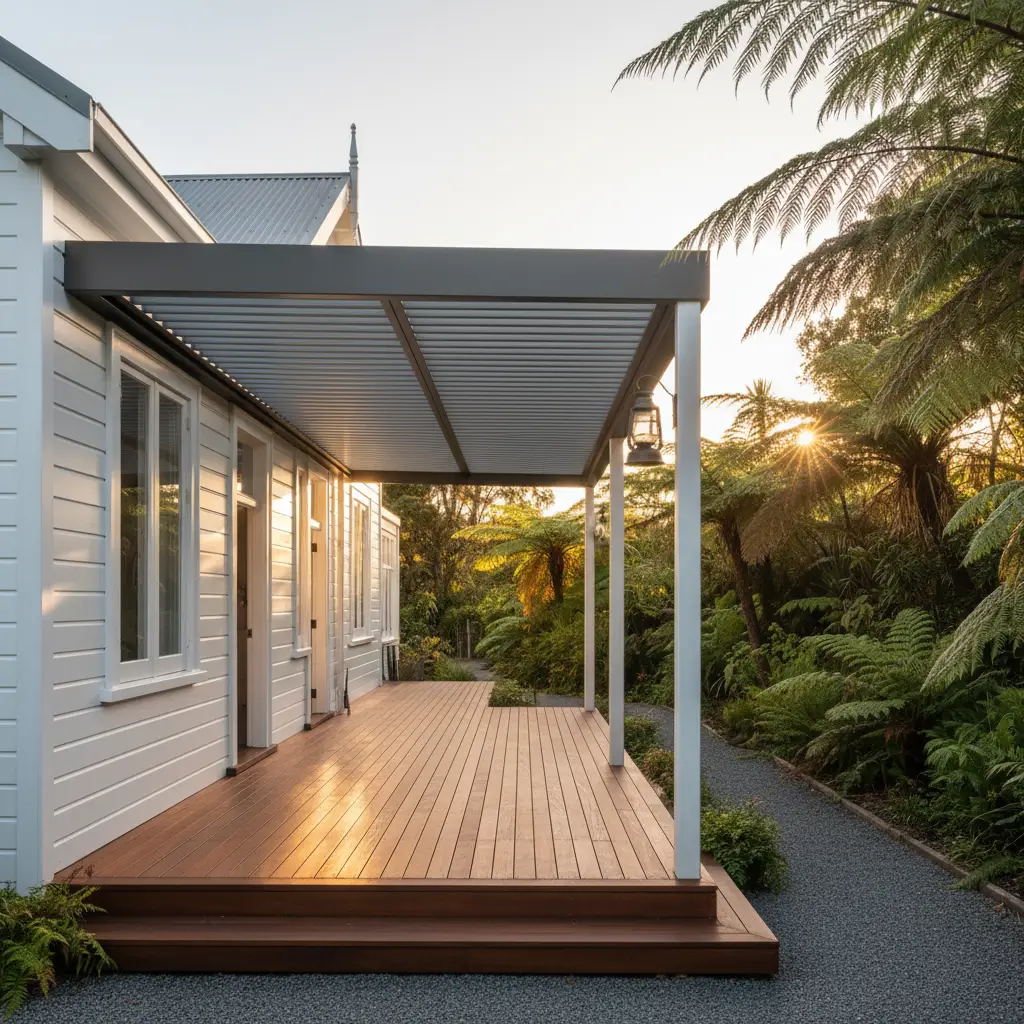
Mastering the ‘Grey Friars’ Palette: Matching with Traditional Creams
If there is one colour that defines the modern New Zealand exterior renovation, it is ‘Grey Friars’. Available across almost all major brands (Resene, Dulux, Colorsteel), it is a slate grey with a subtle blue undertone. It has become the standard for roofing, garage doors, and window joinery. However, applying such a strong, cool tone against a heritage building requires careful selection of the primary cladding colour.
What are the best cream pairings for Grey Friars?
Because Grey Friars has a cool base, it can make warm, yellow-based creams look dirty or muddy. Conversely, it can make stark whites look too clinical for a heritage property. The secret lies in finding ‘bridging’ neutrals—colours that contain complex pigments to bridge the gap between the blue-grey and the warm heritage aesthetic.
1. The ‘Titania’ Effect:
For a crisp, modernized heritage look, avoid deep yellows. Instead, opt for off-whites with a grey-green edge. Colours like Resene Titania or Dulux Okarito work exceptionally well. They possess enough warmth to honor the timber construction but are neutral enough to sit comfortably next to the cool steel of Grey Friars joinery.
2. The Traditional Route:
If the property demands a true colonial cream (like Resene Pearl Lusta or Spanish White), you must separate the Grey Friars from the cream with a third accent colour, usually a crisp white (like Resene Alabaster) on the facings, scotias, and window frames. This creates a visual buffer that prevents the yellow-cream and blue-grey from clashing directly.
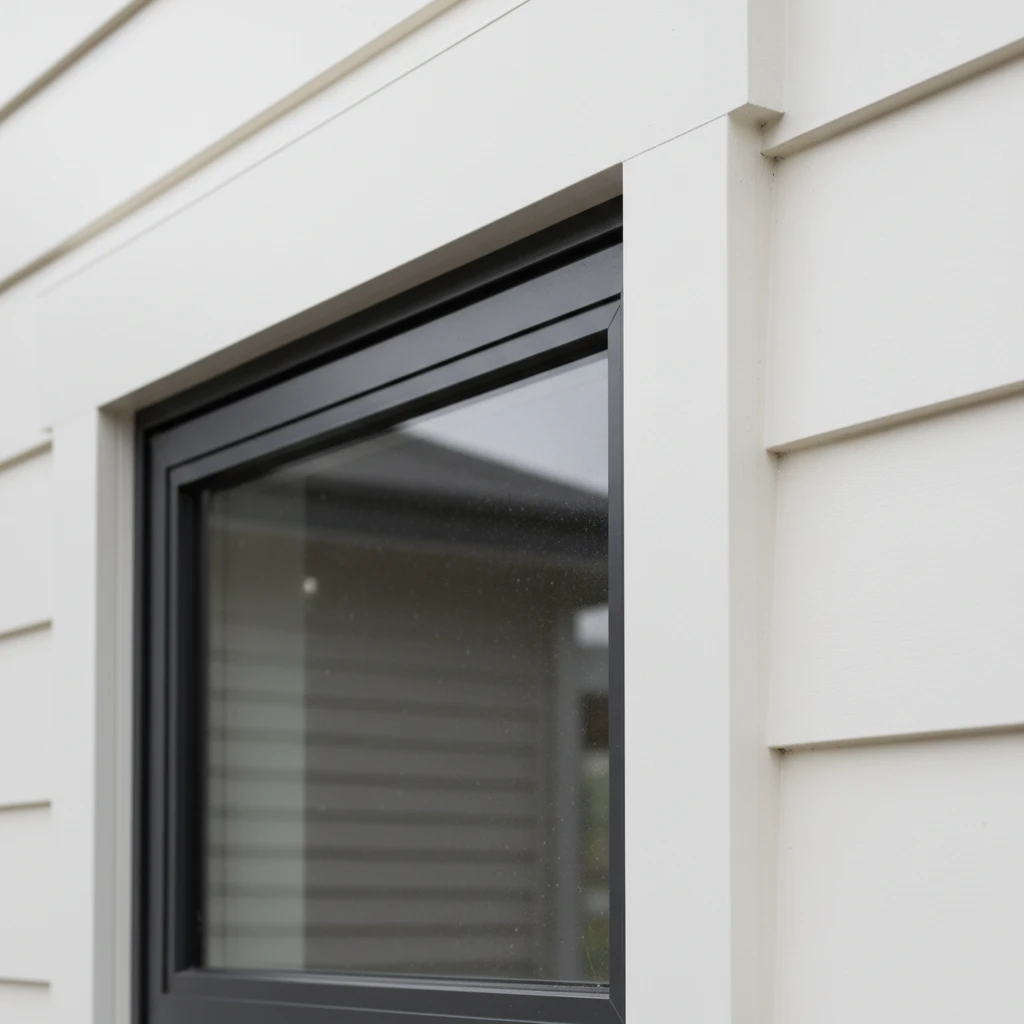
Powder Coat Matching for Aluminium Louvres
In the niche of NZ outdoor living, the installation of aluminium louvre roof systems is a primary commercial focus. These structures are permanent additions, and getting the colour wrong can devalue a heritage property. Unlike wet paint, which can be custom tinted to an infinite range, powder coating comes in standard ranges (primarily the Dulux Duralloy and Duratec ranges in NZ).
How do I choose the right powder coat for a heritage home?
When selecting a powder coat for an outdoor structure attached to a heritage home, you generally have two strategic options: Match the Roof or Match the Joinery.
Strategy A: The Roofing Match (The Safe Bet)
Most heritage renovations involve re-roofing with Longrun Colorsteel. If your roof is Ironsand, your louvre system should be Ironsand. This grounds the structure, making it feel like an architectural extension of the main dwelling rather than a ‘bolt-on’ accessory. Ironsand is particularly effective for heritage homes as its brown undertone complements native timber flooring and traditional brickwork better than the cooler greys.
Strategy B: The Joinery Match (The Modern Contrast)
If the home retains original white timber joinery, installing a white louvre system (e.g., Appliance White or Pearl White) can look spectacular. It mimics the look of a traditional pergola but with modern functionality. However, ensure the white powder coat is not brighter than the house paint. A louvre that is whiter than the house will make the heritage weatherboards look aged and yellowed.
Texture Matters: Matt vs. Satin
For heritage integration, always specify Matt or Textura finishes over Gloss. Heritage homes are defined by natural materials—timber, brick, stone—which naturally diffuse light. A high-gloss modern aluminium structure will look synthetic and out of place. A Matt Black or Matt Grey Friars finish absorbs light, receding visually and allowing the heritage detailing of the house to remain the hero.
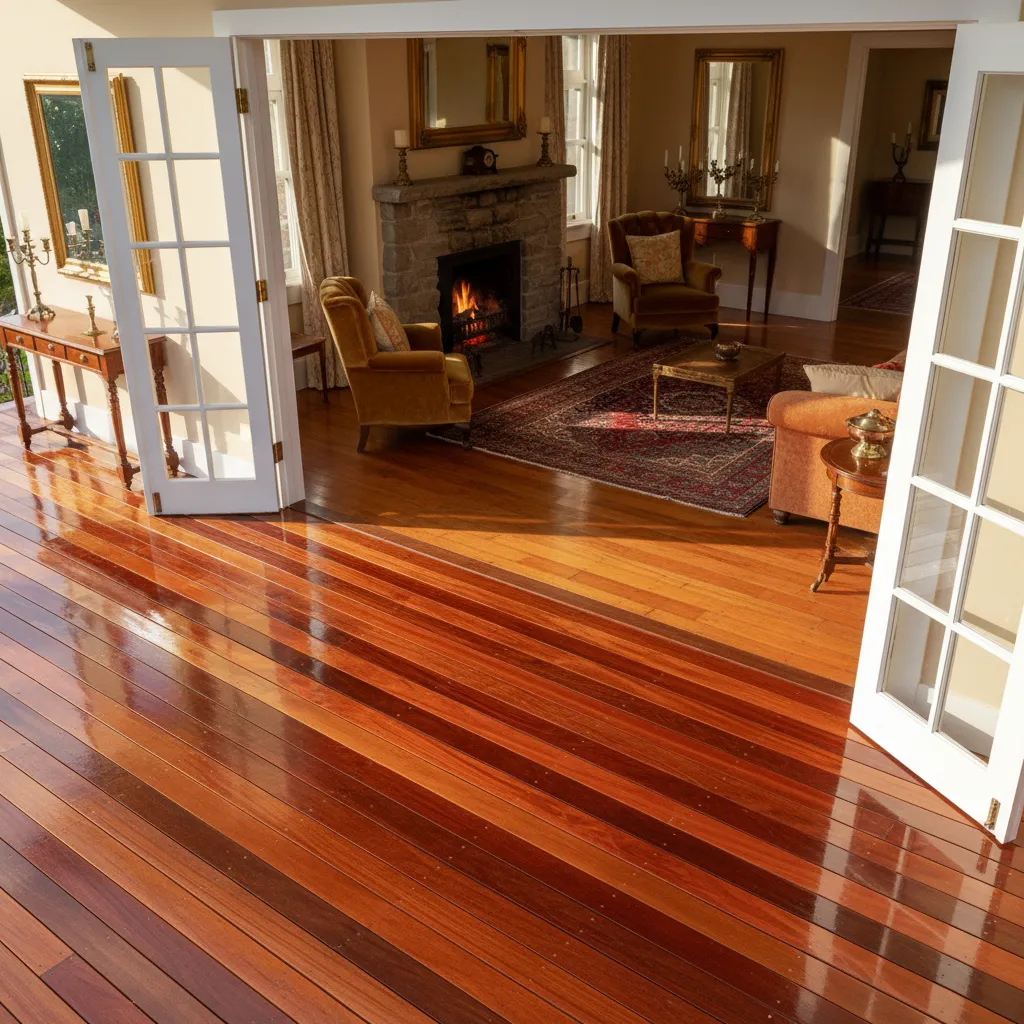
Best Stain Colours for Heritage Decks
The transition from interior to exterior flooring is critical in New Zealand architecture. Heritage homes often feature Rimu or Matai flooring indoors. The outdoor deck, usually constructed from Kwila (Merbau) or Vitex, needs to complement these interior tones without trying to match them perfectly (which is impossible due to weathering).
Should I stain or oil my heritage deck?
For heritage properties, penetrating oils are superior to film-forming stains. Oils enhance the natural grain, which aligns with the craftsmanship of the era. Film-forming stains can peel and look plastic, detracting from the authenticity of the home.
1. The ‘Kwila’ Tone:
Fresh Kwila bleeds a red tannin. Once this leaches out (after 6-8 weeks), the timber turns silvery-grey. To maintain the rich, reddish-brown hue that complements red brick chimneys and terracotta heritage features, use a pigmented ‘Kwila’ oil. This warmth ties in beautifully with cream and green heritage colour schemes.
2. The ‘Natural’ Look (Vitex):
Vitex is a creamy, pale timber often used as a sustainable alternative. It silvers off very quickly. For grey-painted heritage homes (e.g., those painted in Resene Silver Chalice), allowing the deck to silver naturally is a valid aesthetic choice. Use a clear oil with UV stabilizers to stop the timber from warping, but allow the colour to fade to a driftwood grey.
3. The Modern Contrast (Black Stain):
A growing trend in architectural integration is staining decks black (e.g., Resene Woodsman Pitch Black). This creates a striking negative space that grounds the house. It works exceptionally well with white villas, creating a monochrome palette. However, be aware that black decks retain immense heat, which can be an issue for bare feet in the NZ summer.
Material Science: Painting PVC vs. Timber
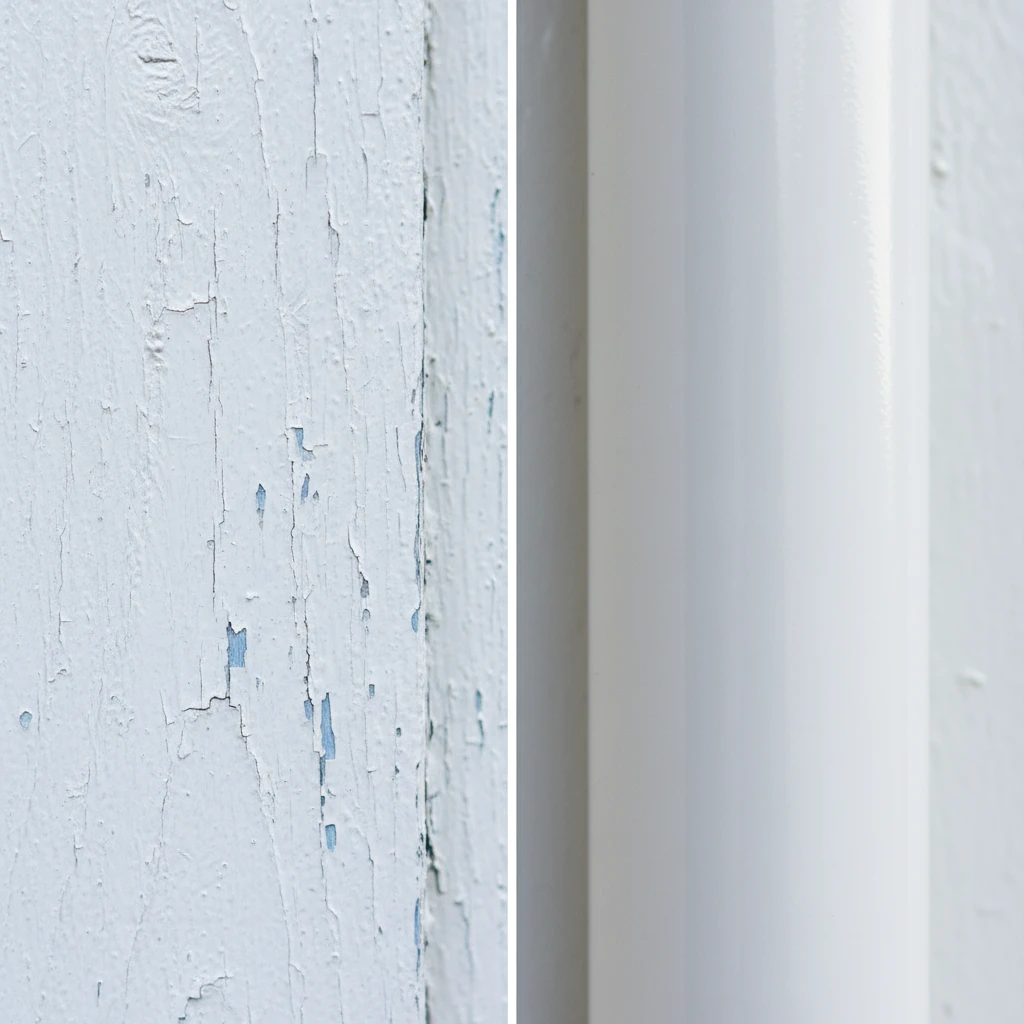
Modern renovations often utilize PVC or composite materials for facings, downpipes, and decorative mouldings to reduce maintenance. However, painting these materials requires different protocols than traditional Rimu or Totara weatherboards.
Why does Light Reflectance Value (LRV) matter?
Timber:
Heritage timber moves. It expands and contracts with moisture and temperature. Traditional oil-based paints were flexible. Modern acrylics are also flexible, but dark colours attract heat. Painting old timber black can cause the sap to boil, leading to blistering, or cause the planks to cup and warp. Always consult the LRV rating on the colour chart. For heritage timber, aim for an LRV of 45% or higher unless the timber is stabilized and the paint is specifically formulated (like Resene CoolColour).
PVC and Plastics:
PVC is even more sensitive to heat than timber. If you paint a white PVC downpipe in a dark colour like Grey Friars or Karaka, it is highly likely to warp or bow in the New Zealand sun. The dark colour absorbs infrared radiation, heating the plastic beyond its glass transition temperature.
The Solution:
1. Use CoolColour Technology: Paints formulated to reflect infrared light even in dark shades.
2. Prime Correctly: PVC requires a specific adhesion primer. Do not just slap topcoat on smooth plastic; it will scratch off.
3. Respect the LRV Limits: Many PVC manufacturers void warranties if painted in colours with an LRV below 50%.
Regional Considerations and UV Protection
New Zealand’s UV index is notoriously high. A red door in Auckland will fade differently than a red door in Queenstown. In coastal areas (Auckland, Tauranga, Wellington), salt spray is the enemy. Heritage paints in these zones must be easily washable. Gloss or Semi-Gloss finishes on weatherboards are traditional not just for looks, but because they shed dirt and salt better than low-sheen options.
In alpine regions (Queenstown, Wanaka), the freeze-thaw cycle damages paint. Here, flexibility is key. You need a premium acrylic that can stretch without cracking as the timber freezes overnight and bakes during the day. When selecting colours for alpine regions, darker hues are more accepted as they absorb heat, helping to keep the home warm, whereas in the humid north, lighter whites and creams are preferred to reflect heat.
Frequently Asked Questions
What are the most popular heritage paint colours in NZ?
The most enduring heritage colours in New Zealand are Resene Pearl Lusta, Resene Spanish White, and Dulux Okarito for cladding. For accents and joinery, Grey Friars, Ironsand, and Karaka (a deep heritage green) remain the top choices for blending traditional style with modern trends.
Can I paint over old lead-based heritage paint?
Yes, but you must seal it first. Do not sand lead paint as the dust is toxic. Use a specialized binding primer that encapsulates the old lead paint, providing a safe surface for your new modern acrylic topcoats to adhere to.
How do I match new aluminium joinery to old paint?
Do not rely on printed brochures. Request a physical powder coat sample (a metal chip) from the joinery manufacturer. Tape this sample to your weatherboards and view it at different times of the day (morning, noon, and evening) to ensure the undertones do not clash.
What is the best paint finish for heritage weatherboards?
Semi-gloss or Gloss is historically accurate and offers the best durability. Low-sheen or matte finishes are modern trends that can look ‘flat’ on a heritage home and tend to hold onto dirt and grime more than glossy surfaces.
Does Grey Friars go with red brick?
Yes, Grey Friars can work with red brick, but it is a high-contrast modern look. For a softer, more sympathetic heritage approach, Ironsand (which has a brown undertone) is often a better match for red brick as it complements the earthy tones of the masonry.
How often should I stain my outdoor heritage deck?
In New Zealand’s harsh UV environment, horizontal timber surfaces like decks typically require re-staining every 12 to 18 months. If you use a water-based stain, it may need attention annually. Oil-based products may last slightly longer but require more preparation when re-coating.