
Heritage overlay rules in Auckland restrict deck construction to preserve historic streetscapes. Generally, decks visible from the street or exceeding 1 meter in height within Special Character Areas require resource consent. Designs must respect the era’s aesthetic, often necessitating timber materials and specific setbacks to maintain the neighborhood’s visual integrity.
Navigating the complexities of renovation in New Zealand’s historic suburbs requires a deep understanding of local planning laws. For homeowners in suburbs like Ponsonby, Grey Lynn, or Mount Eden, the dream of indoor-outdoor flow is often met with the rigid reality of heritage overlay restrictions. Whether you are planning a simple low-level deck or an elevated entertainment area, understanding the nuances of the Auckland Unitary Plan and broader New Zealand heritage protections is critical to avoiding costly compliance failures.
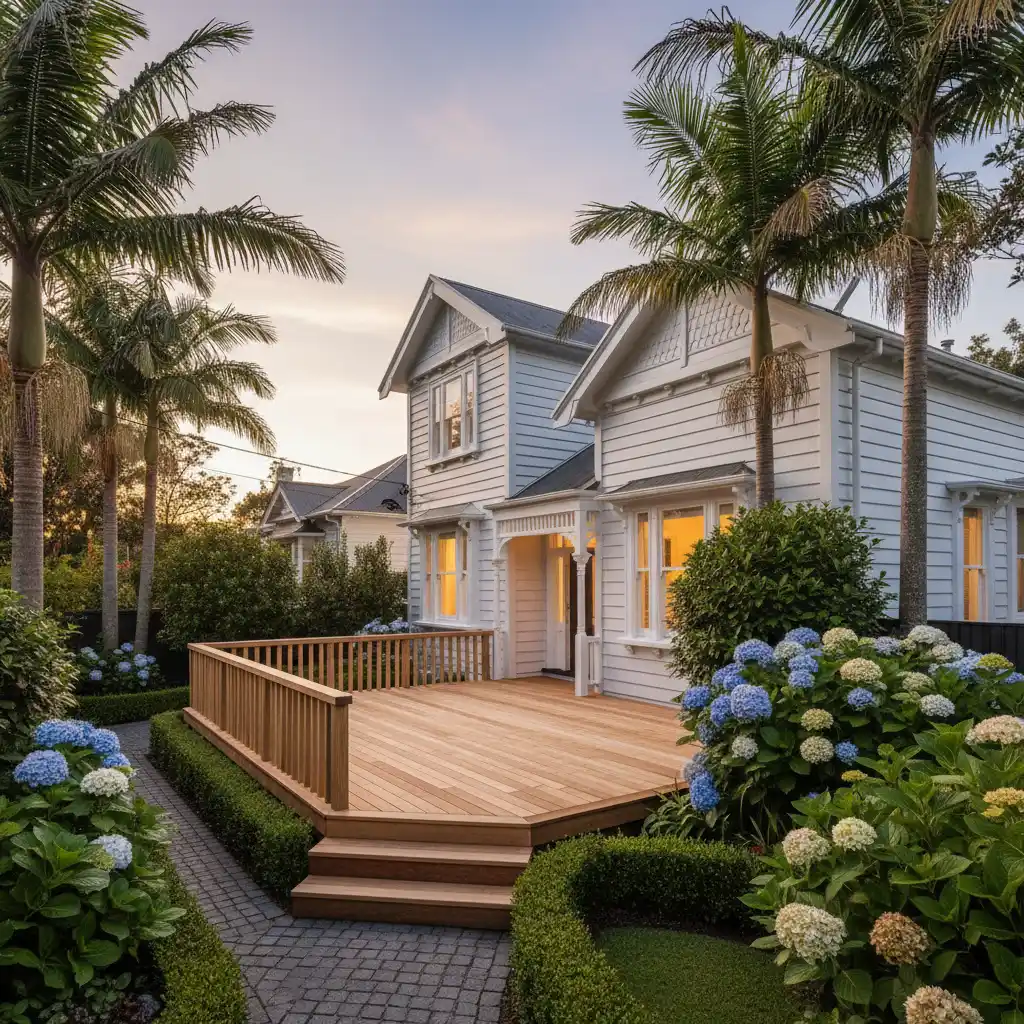
What are Heritage Overlays in New Zealand?
A heritage overlay is a planning tool used by local councils to protect the special architectural character, history, and streetscape of specific areas. It is distinct from the underlying zoning (such as Single House Zone or Mixed Housing Urban). While zoning dictates density and usage, the overlay dictates aesthetics, demolition, and modifications.
In New Zealand, these are primarily divided into two categories:
- Historic Heritage Overlay: This protects specific buildings or sites of significant historical importance. If your property is on this list (often called “scheduled”), the rules are extremely strict. You can rarely alter the exterior significantly without major consultation.
- Special Character Areas Overlay (SCAR): This is the most common restriction for homeowners. It covers entire suburbs (like Devonport or Parnell) and focuses on the collective value of the streetscape. The goal is to ensure that new additions, such as decks, do not disrupt the rhythm and style of the existing housing stock.
Auckland Unitary Plan: Heritage Overlay Rules for Auckland Decks
The Auckland Unitary Plan (AUP) is the rulebook for development in the region. When dealing with heritage overlay rules auckland decks, the primary concern is the impact on the streetscape.
The Visibility Test
The AUP places a premium on the “public realm.” If your proposed deck is located at the front of the house or is clearly visible from the street, it will almost certainly trigger a need for Resource Consent. The council assesses whether the deck dominates the façade or obscures heritage features like bay windows, verandas, or decorative fretwork.
Height and Boundary Restrictions
Even if your property is in a heritage zone, standard development controls still apply, but they are often tighter:
- Height in Relation to Boundary: Heritage zones often have stricter recession planes to prevent shading neighbors and maintaining open spaces between villas.
- Yards (Setbacks): In Special Character Areas, the front yard setback is usually determined by the average setback of the neighboring houses. You cannot build a deck that protrudes further forward than the established line of the street.
- Maximum Impervious Area: Many heritage zones have lower limits on site coverage (often 35-40%). A large deck, even if low to the ground, contributes to site coverage. If the deck is over 1m high, it counts towards building coverage; if under 1m, it may count towards impervious area depending on the spacing of the decking boards and the surface beneath.
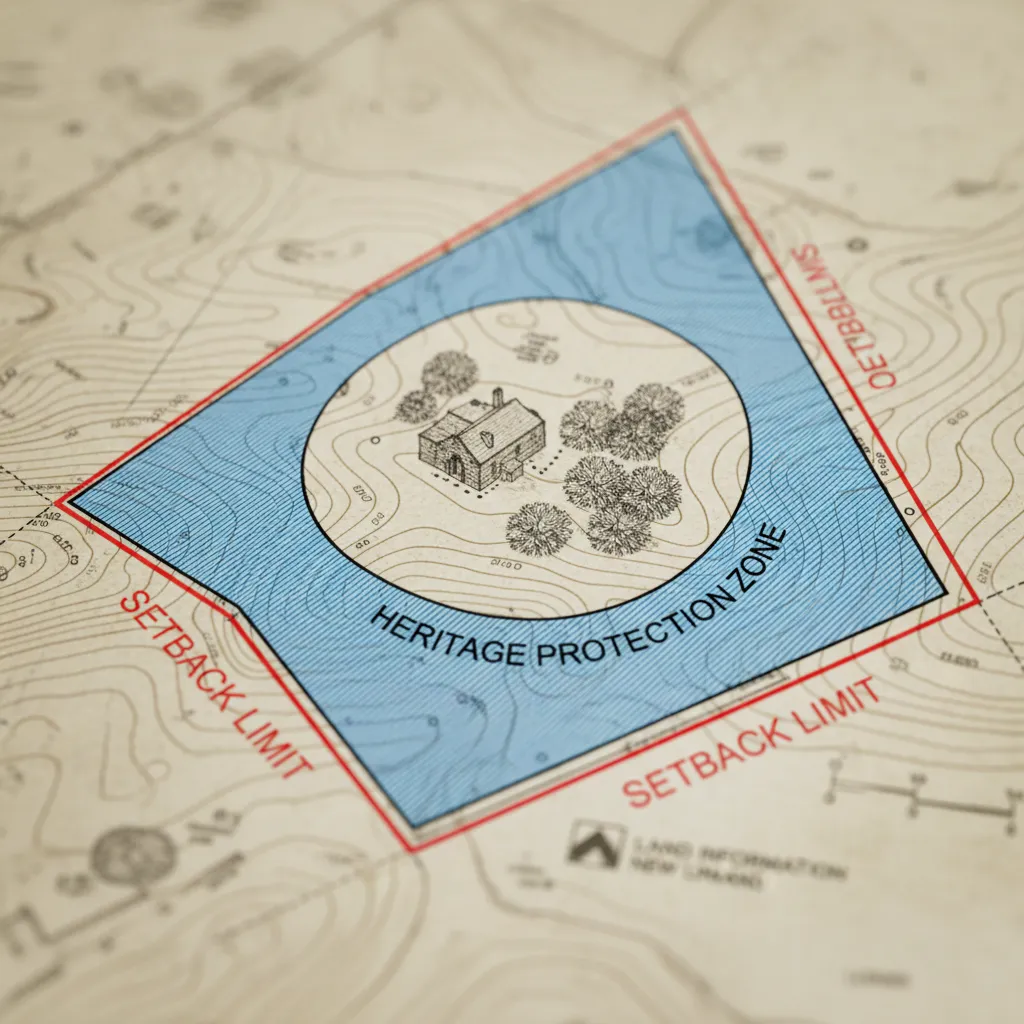
When Do You Need a Resource Consent?
It is vital to distinguish between a Building Consent and a Resource Consent. You might be exempt from a Building Consent for a low deck, but you may still require Resource Consent due to the heritage overlay.
Common Triggers in Heritage Zones
You will likely need a Resource Consent if:
- Demolition or Removal: Removing an existing porch or set of stairs to make way for a new deck is technically “demolition” under the AUP. In Special Character Areas, demolition requires consent to ensure you aren’t removing a heritage feature.
- Materials: Using modern materials (like aluminum balustrades or wide-board composite decking) that clash with the traditional timber weatherboard aesthetic.
- Height: Any deck with a fall height of over 1 meter requires a balustrade (Building Code), but in a heritage zone, the visual bulk of that balustrade is scrutinized.
- Infringements: Breaching any height-to-boundary or yard setback rules.
The Assessment of Environmental Effects (AEE): To get consent, you must submit an AEE. For heritage zones, this must specifically address how your deck design mitigates impact on the historic character. This often requires a Heritage Impact Assessment from a qualified specialist.
Streetscape Value vs. Backyard Privacy
The “Public Realm” concept is your best friend when planning a renovation. Councils are primarily concerned with what the public can see. This creates a dichotomy between the front and back of the property.
The Front Yard (High Friction)
Modifying the front of a villa or bungalow is difficult. The council wants to preserve the “veranda” style. Enclosing a front veranda to create a larger deck is rarely approved. If you must build at the front, the design usually needs to replicate the original joinery, tongue-and-groove flooring, and traditional handrails.
The Backyard (Lower Friction)
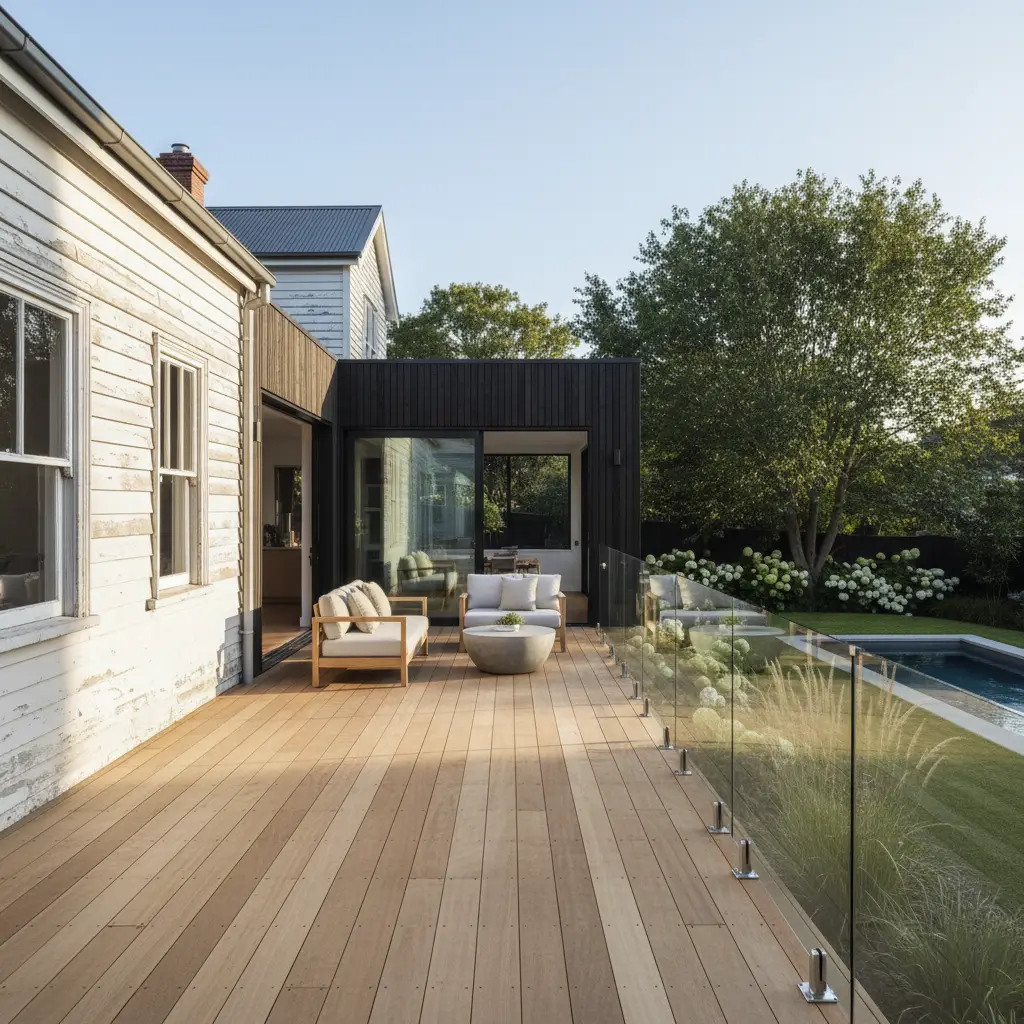
Rear alterations are generally viewed more favorably because they do not impact the streetscape. Modern architectural responses are often permitted at the rear, provided they are sympathetic to the main dwelling. This is where the concept of “distinct but compatible” comes into play. You can often build a contemporary deck at the rear, creating a clear distinction between the historic “old” house and the modern “new” living area, as long as the transition is handled well.
Wellington City Council and Pre-1930s Demolition Rules
While Auckland has the Unitary Plan, Wellington has its own rigorous set of protections, specifically regarding pre-1930s buildings. This is relevant for readers comparing heritage constraints across New Zealand.
The Pre-1930s Demolition Rule
In Wellington, the District Plan has strict rules preventing the demolition of buildings constructed prior to 1930 in specific character suburbs (like Thorndon, Mt Victoria, and Newtown). While this primarily targets total demolition, it impacts deck building significantly.
If your deck project involves removing a bay window, a significant portion of an external wall, or an original sunroom to create indoor-outdoor flow, this constitutes “partial demolition.” Under Wellington’s rules, you must prove that the removal does not compromise the heritage significance of the structure. Unlike Auckland’s focus on streetscape consistency, Wellington often places a heavy emphasis on the retention of original fabric and structure.
Architectural Integration and Material Choice
To secure approval in a heritage overlay, your design choices must demonstrate sensitivity to the existing architecture. This does not always mean mimicking the old style perfectly (pastiche), but it does mean respecting it.
Acceptable Materials
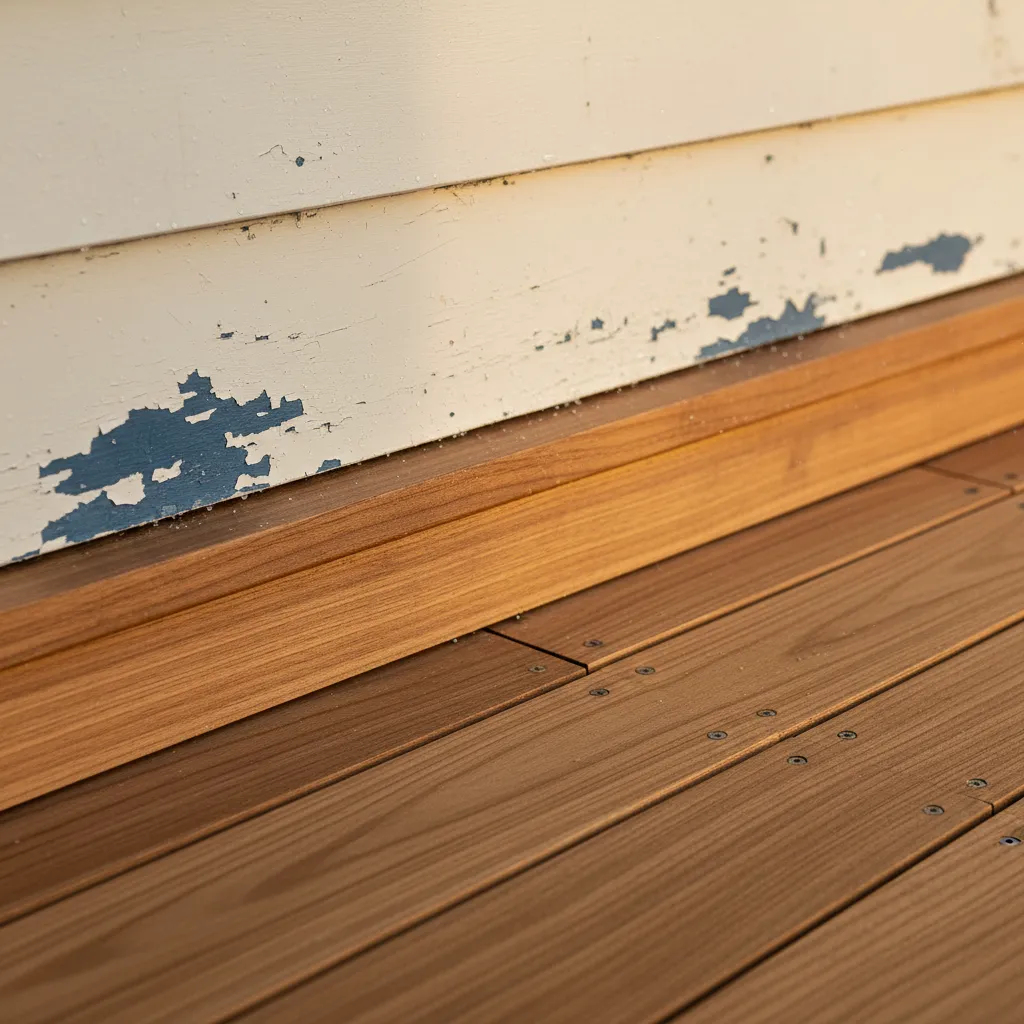
- Decking: Narrow-width timber (Kwila, Vitex, or Garapa) is preferred over wide-board composites. The grain and weathering of natural timber suit older homes.
- Balustrades: In front yards, timber pickets that match the spacing and profile of the era are usually required. In rear yards, frameless glass or simple steel flats can be acceptable to reduce visual bulk, provided they don’t look too industrial.
- Joinery: If you are opening up the back of the house to the deck, timber joinery (French doors or stackers) is preferred over aluminum. If aluminum is used, it often needs to be a “box section” profile that mimics the weight and look of timber.
Frequently Asked Questions
Do I need resource consent for a deck in a Special Character Area?
Yes, usually. While building consent might not be needed for low decks, resource consent is triggered in Special Character Areas if the deck is visible from the street, affects the building coverage ratio, or involves the removal of any original building fabric (partial demolition).
Can I use composite decking on a heritage villa?
It depends on the location. For front verandas visible from the street, councils typically require natural timber to match the historic aesthetic. For rear decks not visible to the public, high-quality composites that mimic timber may be permitted, but natural hardwood is always the safer path for compliance.
What is the maximum height for a deck without consent in Auckland?
Generally, a deck under 1.5 meters in height does not need a Building Consent (if it has safety barriers). However, in a Heritage Overlay, Resource Consent might still be required regardless of height if it impacts site coverage or setbacks. Always check the Unitary Plan maps first.
How much does a heritage resource consent cost in NZ?
Costs vary significantly based on complexity. A simple consent might cost between $2,500 and $5,000 in council fees, plus the cost of a planner and heritage specialist (another $3,000 – $6,000). If the application is notified (neighbors object), costs can escalate rapidly.
Can I put a glass balustrade on a heritage home?
Glass balustrades are often discouraged on the front façade of heritage homes as they are considered historically inaccurate. However, they are frequently approved for rear decks where they provide transparency and do not obscure the view of the heritage building form from the backyard.
What happens if I build a deck without consent in a heritage zone?
The council can issue an abatement notice requiring you to remove the deck and restore the property to its original state at your own cost. You may also face fines. Heritage infringements are taken very seriously in Auckland and Wellington.